

HVAC decision guide · San Antonio
Should You Replace or Repair an Older HVAC System?
Compare the equipment’s condition, repair history, comfort, ducts, and replacement plan before making a costly decision.
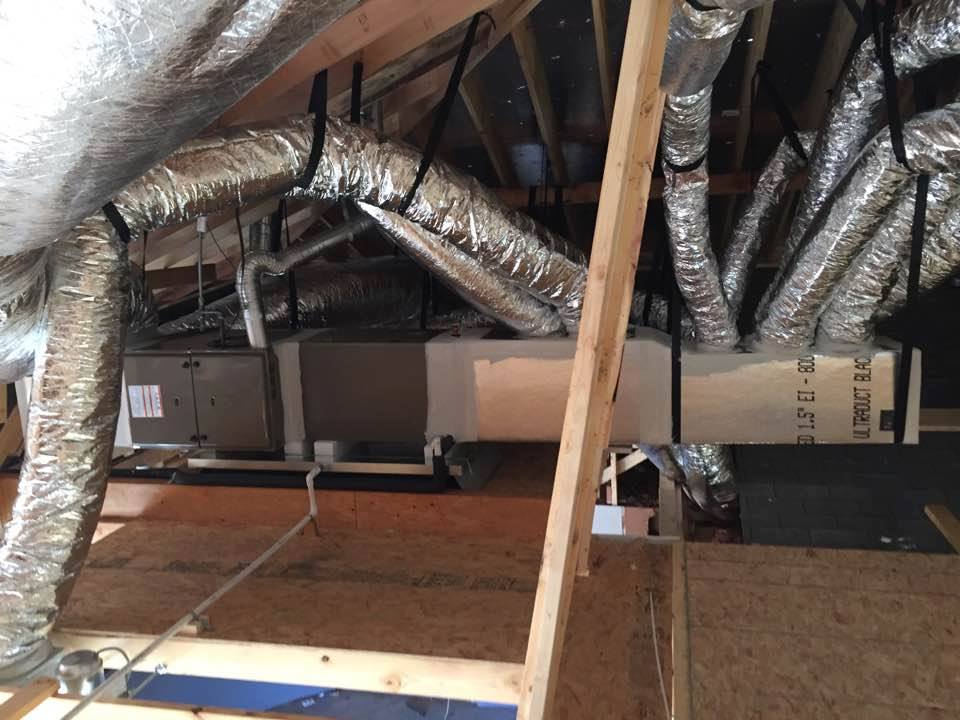
When an older air conditioner breaks during a San Antonio summer, homeowners often ask the same question: Is another repair sensible, or is it time to replace the system? There is no single answer based on age or one repair bill. The decision depends on what failed, the condition of the rest of the equipment, the house it serves, and the scope of the replacement proposal.
A repair can make sense when one part has failed and the equipment is otherwise operating as expected. Replacement may be worth comparing when repair history is growing, a major component is failing, the system struggles to keep rooms comfortable, or the home has changed since the original installation.
Before deciding, have the technician explain the test results and give you a written scope. This guide offers a practical way to compare the options and links to our older-home AC repair specialist page.
Do not use age as the only test
Age helps set expectations about wear, parts, and likely repair needs. It does not identify a failed component or prove that replacement will solve an uneven room. A younger system can have a serious installation or airflow issue. An older system may still run acceptably after a straightforward repair.
Consider the complete picture: repair history, operating condition, parts availability, noise, comfort, energy use, refrigerant type, warranty, duct condition, and the home’s current layout. If a house gained an addition or had insulation changes, the original equipment selection may no longer match the rooms it serves.
What we’ve seen is that people sometimes compare only the repair amount with the price of a new unit. That misses related work such as duct changes, electrical updates, drainage, controls, installation labor, and post-installation checks. Compare complete scopes, not just equipment labels.
What failed?
Ask which test found the fault, what component is affected, and whether the cause could damage another part.
What else is worn?
Review the condition of coils, blower parts, electrical connections, drainage, controls, and outdoor equipment.
Does it still fit the home?
Check whether ducts, rooms, insulation, windows, or additions have changed since installation.
Repair versus replacement: a side-by-side look
| Decision factor | Repair may fit when | Replacement may be worth comparing when |
|---|---|---|
| Cause of failure | A specific repairable fault is confirmed | Several components are failing or the condition is uncertain across the system |
| Repair history | Breakdowns are uncommon and prior work solved the stated issues | Similar failures return or multiple repairs accumulate |
| Comfort | The home is comfortable when the failed part works | Rooms remain uneven or the system cannot meet current needs |
| Parts and warranty | Parts are available and the repair scope has clear coverage | Parts are hard to source or little warranty remains on major components |
| Ducts and home layout | The equipment and air path serve the current house | An addition, remodel, or duct problem calls for a new design review |
| Household plans | You need a targeted near-term repair and understand the tradeoffs | You plan to stay and want to compare full-system options and operating needs |
When repairing the existing system can be sensible
Repair is often the first option to discuss when a technician identifies a single failed component and other system checks are acceptable. The repair should address the fault, not only reset a control or temporarily restore operation. Ask what follow-up tests will confirm that the unit is working after the repair.
A repair may also preserve a system whose capacity fits the house and whose ducts deliver air well. If the complaint is caused by a loose electrical connection, faulty capacitor, clogged drain, or another specific issue, the contractor should explain the condition and the proper repair. Do not assume every older system needs replacement because it had one breakdown.
Understand the limits. A component repair does not necessarily improve duct leakage, a hot upstairs bedroom, poor insulation, or an undersized return path. The estimate should say whether the repair is expected to address the current symptom and what conditions remain.
When replacement deserves a closer look
Replacement becomes worth discussing when the system has repeated failures, a major component is damaged, repair parts are unavailable, or the cost and coverage of the proposed repair do not fit your plans. It can also be reasonable when the AC no longer cools the home reliably or when a remodel changed the home’s loads and duct layout.
A replacement should start with the current house, not only the old equipment label. Contractors use load calculations and equipment selection methods to match capacity with the building. ACCA explains that Manual J calculates residential heating and cooling loads. Ask how the contractor accounts for room size, orientation, windows, insulation, air leakage, and additions.
The duct system also matters. A new unit will not automatically correct damaged ducts, poor return airflow, or a distribution problem. ACCA’s retrofit course connects load calculation, equipment selection, air distribution, duct design, and performance verification. Read its system-design guidance for retrofit projects when comparing replacement proposals.
Ask how the contractor will size and install a replacement
Equipment that is too large or too small for the home can struggle to meet comfort needs. A replacement quote should explain the selection process and identify any duct work or controls needed for the equipment to operate as planned. Avoid a proposal that only says “same size as existing” without reviewing the current house.
- Review the home. Confirm rooms, ceiling heights, windows, insulation, additions, and major changes.
- Check the ducts. Inspect accessible supply and return paths and identify restrictions or damaged sections.
- Explain the sizing. Ask what load information was used and how the equipment selection follows it.
- Compare the scope. Check model numbers, included labor, electrical work, drain changes, thermostat, duct repairs, and exclusions.
- Plan start-up checks. Ask what operation, airflow, and safety checks will be completed after installation.
These questions help you compare proposals without requiring you to calculate the system yourself. A contractor should be able to show how the selected equipment fits the rooms and explain what existing parts can remain.
Do not ignore the ducts when comparing
Older homes may have ductwork that has been moved or patched over time. A disconnected run, poor support, a blocked return, or damaged insulation can make the AC appear weak. If the problem is in the duct system, replacing the outdoor unit alone may leave the same room warm.
Ask whether the contractor checked airflow to the affected rooms and the return path. For duct work, ASC offers air duct repair and air duct replacement. Read how old ductwork can affect energy use and why upstairs rooms stay hot for related symptoms.
When a replacement includes duct changes, the proposal should list the sections, material, route, and testing. “Fix the airflow” is not enough detail to compare bids. Ask what the contractor observed and what result the change is meant to improve.
Compare complete cost and risk, not a rule of thumb
Online advice sometimes recommends replacing a system when a repair exceeds a fixed percentage or formula. Those shortcuts can be misleading because a minor repair on a well-kept system and a major repair on a failing system have different risks. A quoted dollar amount is useful only alongside the equipment condition, warranty, repair history, and scope.
Ask for separate written options when appropriate: the diagnosed repair, any required duct or safety work, and a replacement scope. For each option, compare what is included, what is excluded, warranty coverage, expected schedule, and what happens if the original symptom remains.
Do not treat an efficiency rating as a guaranteed bill reduction. Actual energy use depends on climate, runtime, thermostat settings, duct condition, installation, and household use. If a contractor discusses savings, ask what baseline and assumptions support the estimate.
Questions about a repair
- What test confirmed the failed part?
- Is this the original cause or a related symptom?
- What parts and labor are included?
- What warranty applies to the repair?
- How will you verify operation afterward?
Questions about replacement
- How did you determine the equipment size?
- What duct changes are included?
- What is excluded from the installation?
- What start-up and airflow checks are included?
- Who handles permits, electrical, and finish work?
Check safety and comfort before the next hot day
Some problems need prompt attention regardless of the age of the equipment. Turn the system off and contact a qualified professional if you smell burning, a breaker trips repeatedly, water is near electrical parts, or the indoor coil or refrigerant line is frozen. Do not open panels or handle refrigerant yourself.
If the AC runs but rooms stay warm, note which areas are affected, how long the system runs, and any recent changes to the house. Check the filter and keep registers and returns clear. For basic upkeep, review ASC’s AC maintenance service and the U.S. Department of Energy’s air-conditioner maintenance guidance.
Our broader guide to why older homes struggle to stay cool in Texas explains how attic heat, ductwork, and building changes can affect the equipment decision.
How to make the decision step by step
- Get the fault identified. Request the measurement or observation that supports the diagnosis.
- Review the system’s history. Gather prior invoices, equipment details, warranty information, and repeated symptoms.
- Ask whether the house changed. Mention additions, remodels, new windows, insulation work, or converted spaces.
- Compare complete options. Review the repair scope against a replacement scope that includes necessary duct and installation work.
- Decide based on your plan. Consider how long you expect to stay, what comfort problem matters most, and whether the repair addresses it.
- Keep the documentation. Save model numbers, measurements, warranty information, and the final scope.
This process does not force a replacement or rule one out. It helps you make a decision tied to the condition of your equipment and the home it serves.
Frequently asked questions
How old should an AC be before I replace it?
There is no single age that applies to every system. Condition, repair history, parts availability, comfort, warranty, and the home’s current needs all matter. Ask for a diagnosis and compare the full options.
Is it worth repairing an older HVAC system?
It can be if a specific fault is repairable, the rest of the system operates acceptably, and the repair fits your plans. Compare replacement when failures repeat or the proposed repair does not address the comfort problem.
Should I replace my AC if the compressor fails?
A failed compressor is a major repair, but replacement is not automatic. Review the system’s age, refrigerant type, remaining component condition, repair warranty, and the cost and scope of a full replacement.
Will a new AC fix uneven cooling in an old house?
Not by itself if ducts leak, returns are blocked, or rooms have changed. A replacement plan should evaluate the current house and air distribution as well as equipment condition.
Can I replace just the outdoor unit?
Some system components may be replaced separately, but compatibility and manufacturer requirements matter. Have a contractor verify the indoor and outdoor equipment match and check the refrigerant and control requirements.
What should a replacement estimate include?
It should identify equipment, sizing basis, included installation work, duct changes, electrical and drainage scope, exclusions, warranties, and start-up checks. Ask for any unclear item to be explained in writing.
Make a decision you can explain
Repair or replacement should follow evidence from the system and the home. An isolated repair may be the right choice when the equipment otherwise works as intended. Repeated failures, difficult parts, persistent discomfort, or a changed home can make replacement worth comparing.
Ask the technician to connect the diagnosis to the options. If you replace, ask how the equipment was sized and whether the ducts can serve the current layout. If you repair, confirm what the work fixes and what symptoms may remain.
For local help, see older-home AC repair in San Antonio, contact ASC through the service request page, or visit the ASC Heating & Air homepage. Related reading: AC options for historic homes and upstairs cooling problems.