

Older home cooling guide · Texas
Why Older Homes Struggle to Stay Cool in Texas
Find the building and system conditions behind hot rooms, long run times, and weak airflow before choosing a repair.
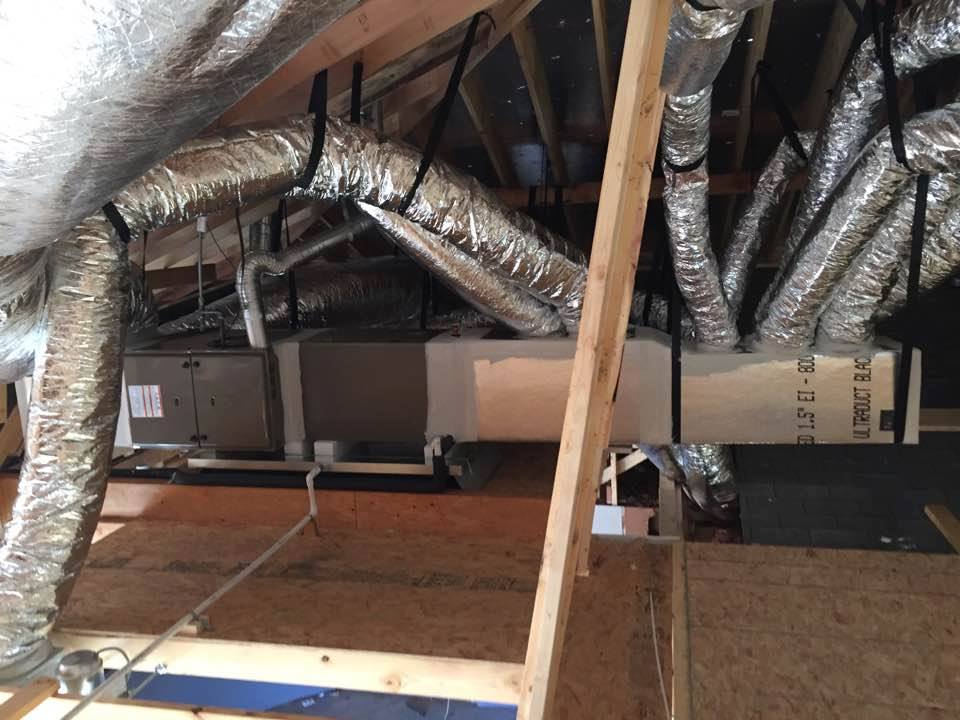
Texas heat puts long hours on residential cooling equipment. When one room stays warm while the thermostat says the house is cool, it is natural to blame the air conditioner. In an older home, though, the cause may sit in the building or the air-distribution system rather than in the outdoor unit.
Homes are rarely frozen in the condition they had when the original AC was installed. Owners add rooms, close in porches, replace windows, change insulation, or convert garages. A duct branch may be moved without changing the return-air path. Each change can affect how much heat enters and how well cooled air reaches each room.
This guide explains what commonly makes older homes hard to cool, which signs point toward airflow or equipment issues, what to check safely, and how to compare repair options. For a focused overview of older-home AC repair in San Antonio, see our related guide.
What makes cooling an older home different?
The thermostat measures air near itself; it does not measure every bedroom, hallway, or attic. A system can satisfy the thermostat while a distant room receives too little supply air or has no easy path for air to return. That is why a single temperature reading cannot explain every comfort complaint.
Older homes also have layers of construction. An original part of the house may have plaster walls and small framing cavities. A later addition may have different insulation, windows, ceiling height, or duct routing. A replacement AC can cool the original rooms well and still leave the addition behind if the air path was never reviewed.
In our experience, the useful question is not simply “How old is the house?” It is “What has changed, and where does the symptom show up?” A room-by-room history gives the technician clues: whether the problem began after a remodel, appears only in afternoon sun, changes when a door is open, or affects every register on one branch.
The building has changed
Additions, converted garages, new windows, and air sealing can change the home’s heat gain and airflow needs.
The duct system has aged
Flexible duct can sag, kink, separate, or lose insulation. Metal ducts can have loose joints or added restrictions.
The equipment has wear
Coils, blower parts, controls, capacitors, and electrical connections need proper inspection as they age.
Common reasons older Texas homes stay warm
1. Attic heat reaches rooms faster than expected
A roof and attic take in heat from the sun. If insulation is thin, uneven, compressed, or disturbed, ceilings below may gain heat during the hottest hours. A room under a west-facing roof can warm up even while the AC is running normally.
Insulation is only part of the picture. Recessed lights, attic access doors, plumbing penetrations, and gaps around framing can let hot attic air move into living spaces. Homeowners often notice this as a room that cools at night but becomes uncomfortable in the late afternoon.
Do not assume that adding insulation will fix an airflow problem. A technician can review the AC and duct conditions; an insulation contractor can assess insulation depth and air sealing. If work is done in the attic, ducts and electrical components should remain accessible and safe.
2. Duct leakage or restriction reduces delivered air
Supply ducts carry cooled air to the rooms. Return ducts or return grilles give indoor air a route back to the equipment. A loose supply connection in a hot attic can send conditioned air into the attic. A crushed, sharply bent, or poorly supported duct can restrict air before it reaches a register.
What we commonly see in older layouts is an isolated room complaint that turns out to involve a specific branch, a closed damper, a blocked grille, or a long duct run. Replacing every duct is not automatically the right answer. The repair should match the finding, whether that is reconnecting a joint, replacing a damaged segment, sealing accessible leakage, or redesigning a section.
The U.S. Department of Energy explains why duct leakage and unconditioned-space ducts matter for heating and cooling. Its duct guidance is a useful reference when comparing sealing and insulation work. The contractor should show you the affected area and explain how airflow will be checked after changes.
3. The return-air path is limited
Supply air needs a way back. A closed bedroom door can limit circulation if the room has a supply register but no return grille or transfer path. The room may feel pressurized, airflow may slow, and the hallway thermostat may respond differently from the bedroom.
A technician can compare conditions with the door open and closed, inspect return placement, and measure airflow or pressure when appropriate. A transfer grille or return adjustment may help in some homes, but the right fix depends on privacy, noise, fire blocking, and the existing duct arrangement.
4. The equipment no longer matches the house
A system installed before a major addition or insulation project may not match current loads. A replacement that copies the old equipment size without examining the changed house can repeat the same uneven-cooling complaint.
For replacements, ACCA’s residential design methods connect load calculation, equipment selection, air distribution, and duct design. Its Manual J information describes the recognized process for calculating residential heating and cooling loads. Ask the contractor what home details were used, such as room sizes, windows, orientation, insulation, and air leakage.
Signs to note before you schedule service
A short record can make the visit more useful. Write down which rooms feel warm, when the problem appears, and what is running at the time. Note recent filter changes, renovations, thermostat moves, or repairs.
| What you notice | Possible area to inspect | Helpful detail to share |
|---|---|---|
| One bedroom stays warm | Branch duct, register, return path, door pressure | Does opening the door change comfort? |
| Several rooms on one side are warm | Duct branch, damper position, leakage or restriction | Did the issue begin after work in the attic? |
| Upstairs is hotter late in the day | Attic ducts, roof heat gain, insulation, return airflow | Is the difference present morning and evening? |
| AC runs longer than before | Airflow, coil condition, outdoor conditions, equipment performance | Was there a remodel or change in use? |
| Air feels weak at many registers | Filter, blower, coil, return restriction, duct condition | Are all vents weak or only a few? |
These observations do not identify the failed part by themselves. They help a technician choose where to measure and what to inspect first.
What homeowners can check safely
Start with accessible checks
- Confirm the thermostat is set to cool and its schedule is correct.
- Check the filter and use the size specified for your system.
- Move rugs, furniture, and boxes away from supply registers and return grilles.
- Make sure the outdoor unit has open space around it and is not buried in leaves or grass.
- Note which rooms and times have the most trouble.
Leave these jobs to trained help
- Opening energized equipment or handling capacitors and wiring.
- Working with refrigerant or adjusting charge.
- Walking on ceiling joists or unstable attic surfaces.
- Cutting into walls, floors, or fire-rated assemblies for a return path.
- Changing duct sizes without checking static pressure and equipment requirements.
How a good diagnosis separates the causes
A careful visit starts with the complaint, not a sales recommendation. The technician should ask when the problem began, which rooms are involved, and whether home or system changes happened around that time. Then the inspection should connect equipment operation with air delivery.
- Confirm basic operation. Check thermostat settings, filter condition, drain condition, and visible equipment status.
- Inspect the air path. Look at accessible returns, supply registers, ducts, dampers, and obvious kinks or loose joints.
- Measure where it helps. Airflow, temperature, and pressure readings can help distinguish a duct restriction from an equipment issue.
- Explain the finding. The written estimate should point to the part or condition observed and describe the repair scope.
- Retest the complaint area. After work, compare the affected rooms or registers against the original observation.
For duct concerns, ASC offers air duct repair and air duct replacement. If the equipment itself is not cooling, review AC repair service. A system replacement should include a plan for the current home, not just a match to the old nameplate.
Repair, airflow work, or replacement?
The age of a home does not tell you which service it needs. Repair is often the first conversation when a specific component fails and the rest of the system operates acceptably. Airflow or duct work may be the better starting point when the equipment runs but rooms do not receive air. Replacement becomes a comparison when equipment condition, repeated failures, parts availability, or changed loads make another repair a poor fit.
| Finding | Option to discuss | Question to ask |
|---|---|---|
| One diagnosed component has failed | Repair the component and test operation | What test confirmed the failure? |
| One room has weak delivery | Inspect the register, branch duct, damper, and return route | Can you show the restriction? |
| Multiple ducts leak or lack insulation | Compare targeted repair with broader duct work | Which sections are included and how will they be verified? |
| Repeated repairs and poor comfort continue | Compare repair and replacement plans | How were current room loads and duct limits considered? |
In our opinion, a recommendation is more useful when it separates the immediate fault from optional comfort improvements. You should be able to see what each option is expected to address, what it will not change, and how the contractor plans to check the result.
Need help with uneven cooling in San Antonio?
Tell ASC which rooms are uncomfortable, when the problem shows up, and what has changed in the home. The team can inspect the AC and air path and explain the next step.
Questions homeowners ask
Why is my old house hard to cool even with a new AC?
A new unit cannot correct a leaking duct, blocked return path, room addition, poor insulation, or equipment-sizing mismatch by itself. Ask for an evaluation of both the equipment and the air path.
Can old ductwork make a home feel uneven?
Yes. A disconnected, kinked, leaking, or poorly insulated duct can reduce the air reaching a room. A technician should identify the specific section and check for other causes too.
Does an older home always need new ductwork?
No. Some homes need a targeted reconnection, seal, support, or replacement of a damaged section. Full replacement should be tied to the condition and design needs of the system.
Will adding attic insulation fix hot rooms?
It may reduce heat gain if insulation is missing or uneven, but it will not repair a duct restriction or return-air problem. Check the building and the AC system as related parts of the comfort issue.
Should I close vents in cooler rooms?
Do not close many vents as a substitute for diagnosis. It can change system pressure and airflow. Ask a technician to measure distribution and adjust the system based on findings.
When should I call an HVAC contractor?
Call when uneven cooling repeats, airflow drops, the system runs unusually long, or a previous repair did not solve the issue. Turn the system off and seek prompt help for burning smells, repeated breaker trips, or water near electrical parts.
Keep the house and cooling system in the same conversation
Older Texas homes can cool well, but a repair plan has to account for how the house is built today. Attic heat, altered rooms, duct condition, return airflow, and equipment performance all affect what reaches the thermostat and what reaches the far bedroom.
Start with the room pattern and ask the technician to show you the condition behind each recommendation. That makes it easier to decide whether the next step is an AC repair, duct correction, air balancing, insulation work, or a replacement plan.
For local guidance, visit ASC’s older-home AC repair guide, see our San Antonio service area, or go to the ASC Heating & Air homepage. Also read how old ductwork raises energy bills and why upstairs rooms stay hot.