

Ductwork and energy guide · San Antonio
How Old Ductwork Raises Energy Bills
Learn how leaks, poor insulation, and restrictions affect comfort and run time, plus what a duct inspection should actually verify.
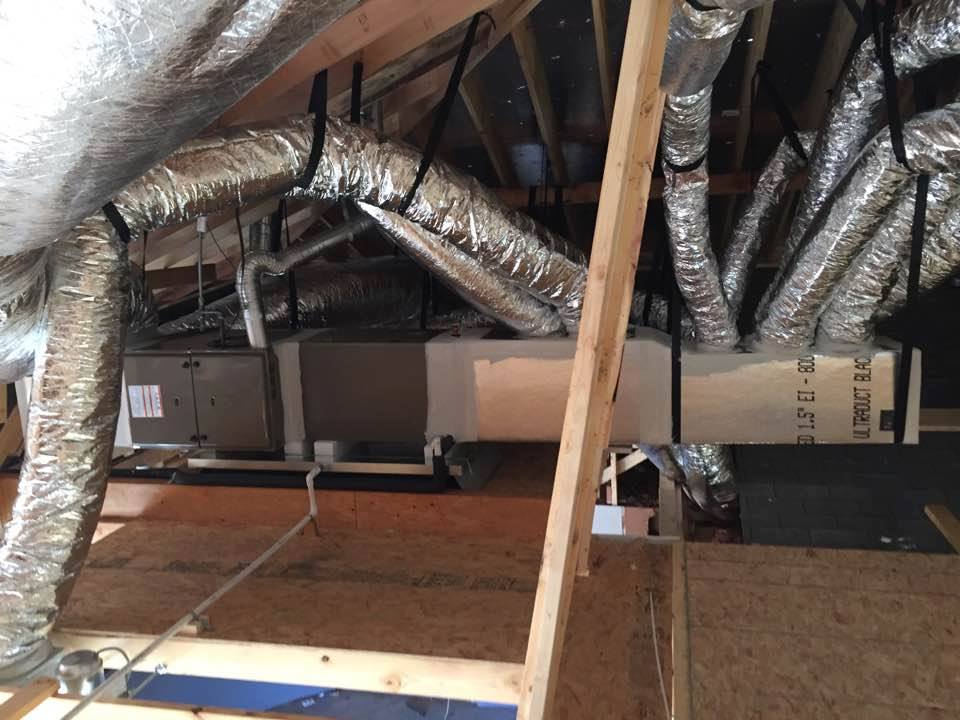
A homeowner often notices the bill before noticing the duct. The AC runs for longer, a back bedroom stays warm, or the thermostat takes more time to reach its setting. Ductwork deserves a look because it is the route that carries cooled air to rooms and brings indoor air back to the equipment.
Leaks or damage can waste some conditioned air in an unconditioned attic or crawlspace. Poor insulation can let hot surrounding air warm the supply air. A kink or crushed section can restrict delivery. These problems can affect comfort and energy use, but a bill increase alone does not prove that ducts are the cause.
Start by comparing energy use, not only the dollar amount. Utility rates, billing days, thermostat settings, weather, and household changes can change the cost. Then look for patterns that point to an airflow or duct issue. For background on comfort concerns in older homes, read our older-home AC repair guide for San Antonio.
How ducts affect the cooling cycle
In a central system, the blower moves indoor air across the evaporator coil and through supply ducts to the rooms. Return ducts or grilles carry room air back to the equipment. The system is designed around a particular amount of airflow and pressure. A change in the duct path can change the amount of air delivered or returned.
If a supply duct leaks in an attic, part of the cooled air can escape before it reaches the room. The thermostat may still wait for the set temperature, so the system continues to run. If a return duct draws dusty attic or crawlspace air, the system may also pull in air the homeowner did not intend to condition. The actual effect depends on leak location, system design, and how large the leak is.
The U.S. Department of Energy notes that ducts in unconditioned spaces can lose energy through leaks and heat transfer. Its ducts guidance covers sealing and insulating accessible ductwork. The guidance supports an inspection; it does not mean every older duct should be replaced.
Leakage
Gaps at joints or torn material let air escape or enter outside the conditioned rooms.
Heat transfer
Damaged, compressed, or missing insulation allows attic or crawlspace temperatures to affect supply air.
Restriction
Kinks, crushed sections, blocked grilles, or poor sizing can limit air movement to one or more rooms.
Three duct problems that look similar but need different repairs
Leaking connections and tears
Flexible duct runs connect to plenums, boots, and branch fittings. A connection can loosen, a strap can fail, or the outer jacket can tear. In an attic, the joint may be difficult to see from the access opening. A technician should inspect accessible connections and show the homeowner the section that needs work.
Sealing a specific accessible joint is different from replacing a long duct run. The material used and the joint condition matter. Ordinary cloth-backed household duct tape is not a dependable long-term repair for many duct applications because heat and age can weaken its adhesive. A contractor should use products made for the duct material and follow manufacturer instructions.
Damaged or ineffective insulation
Supply ducts often travel through hot attic space. Insulation slows heat transfer, but it can be compressed beneath stored items, torn during attic work, or missing around fittings. When insulation is damaged, the duct may gain heat before air reaches the register. The insulation itself cannot stop a disconnected joint from leaking, so both conditions should be checked.
Do not wrap a duct with new insulation until the contractor checks the inner duct and its connections. Covering a loose joint can hide leakage without fixing it. If insulation or vapor control is part of the job, ask how the work will avoid trapping moisture around the duct.
Kinks, crushed runs, and layout restrictions
Flexible ducts need support and enough bend radius to carry air. A sharp bend behind a truss or a section squeezed under a storage platform can slow airflow. The symptom may be one weak register or a group of rooms on the same branch. Replacing only the damaged run can be sensible when the rest of the system is intact and properly sized.
Changing the path is not just a matter of making a duct look straighter. Length, diameter, fittings, and available static pressure all affect airflow. A shortcut that adds a tight elbow or a smaller connection can create a new restriction even when the material is new.
Clues that may point to ductwork
Several observations together are more useful than a single high bill. Compare rooms, times of day, and the parts of the system that serve the affected area.
| Observation | What it could mean | What to ask the contractor |
|---|---|---|
| One register has much weaker airflow than nearby registers | Branch restriction, damper position, disconnected run, or local blockage | Can you trace this run and show the restriction? |
| Several rooms on one side are uncomfortable | Shared duct branch or return path may be affected | Were those rooms measured together? |
| Dust or attic odor appears when the AC starts | Possible return leakage or another indoor air source | Which return sections were checked? |
| Cooling worsened after attic storage or a remodel | Ducts may be compressed, moved, or blocked | Did you inspect the area where the work happened? |
| Long run times with no obvious setting change | Ducts, equipment, insulation, or increased heat gain may contribute | What measurements distinguish those causes? |
Warm air at a vent does not automatically prove a duct leak. A dirty filter, coil problem, blower issue, thermostat setting, refrigerant fault, or high outdoor load can create similar complaints. The system and the rooms should be checked together.
How a careful duct inspection works
A useful inspection starts with the house and the reported symptom. The technician should ask where the warm rooms are, when the problem began, and whether work was done in the attic, ceiling, or walls. The next steps should follow the air path rather than jump straight to a full replacement proposal.
- Check accessible components. Inspect the filter, supply registers, return grilles, and visible duct runs.
- Look for physical problems. Note torn jackets, loose connections, crushed areas, unsupported bends, dirty grilles, and damaged insulation.
- Check operation and airflow. Measurements may include temperature, static pressure, and airflow at relevant rooms, depending on the complaint.
- Separate the causes. Decide whether the symptom comes from duct condition, equipment performance, air balance, building heat gain, or more than one factor.
- Retest after work. Compare the repaired area with the original finding and check that the change did not create another airflow problem.
DOE Building America published a measure guideline for sealing and insulating ducts in existing homes. It treats duct sealing and insulation as work to be assessed and verified. Ask the contractor how the recommendation fits your actual duct layout.
Repair, seal, rebalance, or replace?
Choose the scope that matches what the inspection finds. A single loose connection may need a reconnection and seal. A torn or crushed section may need replacement. A broader redesign may be worth discussing when many branches are damaged, room changes have altered the layout, or measurements show the existing ducts cannot deliver the required airflow.
| Finding | Possible service | Before approving |
|---|---|---|
| One accessible joint is loose | Reconnect and seal the joint | Confirm the joint and test after repair |
| One section is torn or crushed | Replace the damaged section and support the run | Confirm material, route, diameter, and connection details |
| Insulation is missing or compressed | Repair or replace insulation after checking the duct | Ask how the inner duct and seams are addressed |
| Multiple rooms have persistent airflow problems | Airflow assessment and possible duct redesign | Request the measured findings and design basis |
| System and ducts are both aging | Compare repair scope with replacement planning | Review equipment compatibility and current home loads |
For older homes, ductwork may have been altered more than once. One thing we commonly find is that one repair addresses the obvious damage while a second issue affects the same rooms. A good estimate makes each scope clear and states what it is expected to improve.
ASC provides air duct repair in San Antonio and air duct replacement. If airflow seems weak throughout the home, an AC repair evaluation can check equipment as well. Duct work can change system pressure, so the technician should consider how the air conditioner operates after repairs.
Common mistakes that waste time or money
Replacing all ducts from age alone
Age is a reason to inspect, not proof that every section has failed. Ask to see the damaged, leaking, or restricted areas.
Sealing without checking airflow
Sealing changes the duct system. The contractor should consider whether airflow and pressure remain suitable after the work.
Closing registers to lower bills
Closing several vents can affect system pressure and room balance. It does not repair leakage or a damaged branch.
Using a bill as the only proof
Rates and weather change. Compare energy use and check for other changes in the household before drawing a conclusion.
What you can do before the service visit
Homeowners can gather useful information without entering an unsafe attic or opening HVAC equipment. These steps help the contractor focus on the right area:
- Write down which rooms feel warm and when the issue is most noticeable.
- Check that registers and return grilles are not blocked by furniture or rugs.
- Note recent attic work, roof work, remodeling, or stored items that may press on visible ducts.
- Compare electric usage on the utility bill instead of comparing dollar totals alone.
- Keep the thermostat setting and filter size available for the visit.
- Do not climb onto a ceiling or crawl through an unsafe attic to look for ducts.
If the system stops cooling, makes a severe noise, trips a breaker, or produces a burning smell, contact a qualified HVAC professional. Avoid touching wiring or refrigerant lines. For routine performance issues, consider scheduling AC maintenance so equipment condition is reviewed with airflow.
Questions to ask before duct repairs
- Where is the leak, restriction, or damaged insulation?
- Can you show me the section in person or in a photo?
- Is this repair limited to one run or does it change other branches?
- How will the new or repaired section be supported and connected?
- Will you check airflow or pressure after the repair?
- What symptoms should I monitor after the work?
A contractor should be able to answer these in plain language. If the proposal says only “duct work,” ask for a clearer scope before you compare estimates.
Concerned about ducts in an older San Antonio home?
Describe which rooms are affected and what you have noticed. ASC Heating & Air can inspect the duct path and explain whether the next step is a targeted repair, a broader duct evaluation, or equipment service.
Frequently asked questions
Can old ductwork really raise an AC bill?
It can contribute when air leaks into an attic or crawlspace, insulation is damaged, or a restriction makes delivery less effective. Other system and household factors can also raise energy use, so inspect before assuming.
Does duct sealing always lower energy use?
Sealing can reduce leakage in the sections repaired, but the result depends on the original condition and the rest of the system. Ask what area will be sealed and how the work will be verified.
How can I tell if a duct is leaking?
A contractor may find loose joints, tears, dust patterns, poor airflow, or pressure/temperature readings that point to a leak. A visual look from the attic opening alone may not show every connection.
Is replacement better than duct repair?
Not always. A localized defect may need a targeted repair. Broad replacement is more relevant when many sections are damaged, poorly sized, or unable to serve the current home.
Can ductwork make upstairs rooms hotter?
Yes. Leaky, restricted, or poorly insulated attic ducts can limit cooling upstairs. Roof heat, insulation, and return-air paths can also contribute, so check the entire room and duct path.
Should ducts be replaced when I install a new AC?
Not automatically. The contractor should review duct condition and airflow as part of replacement planning and explain if any changes are needed for the selected equipment.
Make the recommendation match the evidence
Old ductwork can waste conditioned air, add heat to supply air, or limit airflow. Those conditions can make rooms less comfortable and contribute to longer system run times. But an increased utility bill by itself cannot tell you whether the ducts, equipment, thermostat, or household use changed.
Ask the contractor to identify the problem, show you the affected section, and explain how the proposed work will be checked. That makes it easier to compare a repair, a duct redesign, or system replacement on the same facts.
Continue with AC repair guidance for older San Antonio homes, then read why older Texas homes struggle to stay cool and why upstairs rooms stay hot. For local service, visit the San Antonio service area or ASC Heating & Air homepage.