

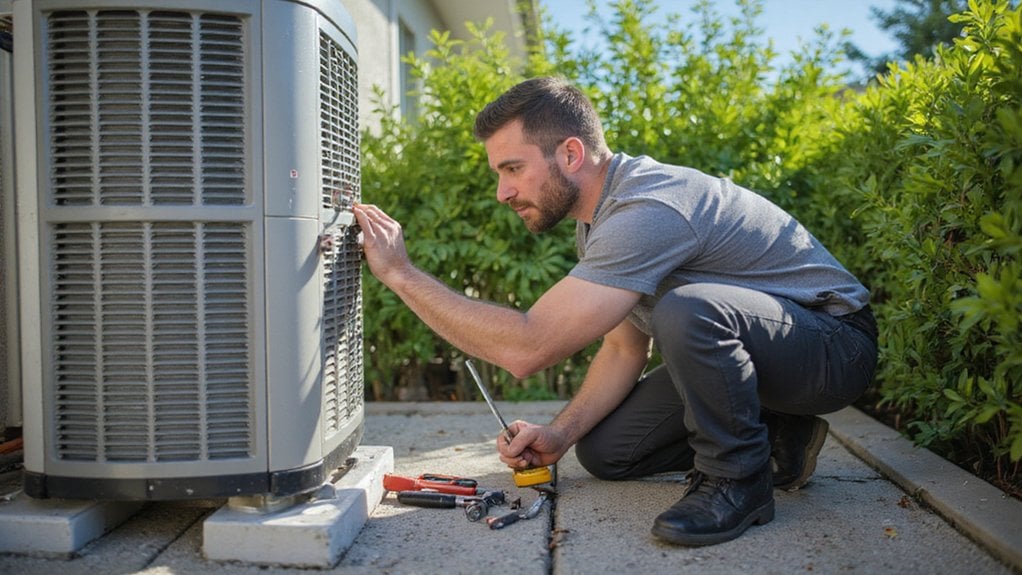
When your air conditioner stops cooling, one of the first things you probably want to know is how long it will take to get it working again. The answer depends on what’s causing the problem.
A simple issue, such as a clogged air filter, may take very little time to address. A refrigerant leak, electrical fault, or compressor problem can take much longer, especially if a replacement part is needed.
Knowing what affects AC repair time can help you set realistic expectations and decide when it’s time to call a professional.
Key Takeaways
- Simple AC problems may be fixed during the same service visit.
- Refrigerant leaks can take one to three hours to repair, depending on the issue.
- Compressor replacement can take four to six hours or longer, depending on the system.
- Parts availability, system complexity, and the technician’s experience can affect repair time.
- Regular AC maintenance can help identify smaller problems before they lead to larger repairs.
- A professional inspection can help determine the cause of a cooling problem and the work needed to fix it.
Common Reasons Your AC Stops Cooling
An air conditioner can stop cooling for several reasons. Some problems are minor, while others require a trained technician to inspect the system.
A clogged air filter is one of the simpler causes. When the filter becomes packed with dust and debris, airflow can drop. The system may continue running without properly cooling the home.
A refrigerant leak is another possible cause. Your AC needs the right amount of refrigerant to move heat out of your home. If refrigerant escapes, the system may struggle to produce cool air.
Electrical problems can also stop an air conditioner from working properly. A faulty thermostat, damaged wiring, or a problem with another electrical component can interrupt normal operation.
The compressor is another major part of the cooling system. If it fails, the AC may run without producing cold air or may stop operating altogether.
Dirty coils can create cooling problems, too. When dirt builds up on the coils, heat can’t move through the system as it should. This can cause the unit to work harder while providing less cooling.
Signs You Need to Call a Professional
Some AC problems can be checked at home, but certain symptoms call for professional attention.
If your air conditioner is running but the home isn’t getting cooler, there may be an issue that requires testing. Fluctuating temperatures can also indicate a problem with airflow, the thermostat, refrigerant, or another component.
Unusual sounds deserve attention. Grinding, buzzing, clicking, or other sounds that weren’t present before can point to a mechanical or electrical issue.
Strange odors are another warning sign. A musty smell may be related to moisture or buildup, while a burning smell can indicate an electrical concern.
You should also pay attention to water around the indoor unit or excessive condensation. A blocked drain or another system problem can allow moisture to collect where it shouldn’t.
If your AC stops cooling completely during hot weather, calling a professional can help prevent the problem from getting worse and restore cooling sooner.
Factors That Affect AC Repair Time
Not every AC repair takes the same amount of time. Several factors can affect how long a technician needs to diagnose and fix the problem.
The Complexity of the Problem
The cause of the cooling failure is one of the biggest factors.
A clogged filter or thermostat adjustment may be handled quickly. A refrigerant leak can require leak detection, repair, and refrigerant service. A compressor problem may involve much more work and can require replacement.
The technician may also need to inspect several components before identifying the exact cause. A problem that appears simple from the outside may have more than one contributing factor.
Availability of Replacement Parts
Parts availability can have a direct effect on repair time.
If the required part is already available, the technician may be able to complete the repair during the same visit. If the part needs to be ordered, you may have to wait until it arrives before the work can be completed.
This can be more common with older systems or less common equipment.
Technician Experience
Experience can also affect how quickly a problem is identified.
A technician who has worked with a wide range of air conditioning systems may recognize common failure patterns and know which components to test. This can reduce the amount of time spent trying to identify the source of the problem.
Experience with your specific equipment can be helpful, too. Different brands and system types can have different components, controls, and service requirements.
Access to the Equipment
The location of your AC equipment can affect how long the work takes.
If the unit is easy to access, inspection and repair may be straightforward. Equipment installed in a difficult-to-reach location can require additional preparation or time.
The technician may also need access to indoor and outdoor components to properly diagnose the system.
Typical AC Repair Times
There isn’t one fixed repair time for every air conditioner. The duration depends on the problem, the equipment, and whether replacement parts are required.
Common AC Issues and Their Repair Times
A basic issue may be resolved during a single service visit. For example, replacing a clogged filter or correcting a thermostat setting generally doesn’t require extensive work.
A refrigerant leak can take around one to three hours to repair, depending on where the leak is located and how much work is required.
A compressor replacement can take around four to six hours. The exact time can vary based on the equipment, access to the compressor, and the amount of work involved.
Electrical repairs can vary widely. A simple component replacement may be quick, while tracking down a wiring fault can take longer.
Coil cleaning may also be relatively straightforward when the buildup is minor. Heavier buildup or other problems discovered during the inspection can add to the service time.
These time ranges are estimates rather than guarantees. A technician usually needs to inspect the system before giving you a more accurate repair timeline.
Why Diagnosis Comes Before Repair
It can be tempting to focus only on how quickly the AC can be repaired. But an accurate diagnosis comes first.
A technician may check the thermostat, electrical components, airflow, refrigerant levels, coils, compressor, and other parts of the system.
This inspection helps identify the actual source of the problem instead of treating only the symptom.
For example, an AC that isn’t cooling could have an airflow restriction, refrigerant issue, electrical fault, or compressor problem. Each requires a different approach.
Taking time to diagnose the system properly can help prevent unnecessary repairs and repeated service calls.
Professional Experience Matters
The technician working on your AC can also affect the repair experience.
Experienced technicians may be familiar with common problems across different brands and models. They can use established diagnostic methods to narrow down the possible causes and determine which components need further testing.
A technician with experience working on your type of system may also be familiar with its common service requirements.
That doesn’t mean every repair will be quick. A serious mechanical problem still takes time to repair. Experience can simply make it easier to identify the source of the issue and determine the appropriate repair.
Why Regular AC Maintenance Matters
Regular AC maintenance can help catch problems before they become major repairs.
Simple tasks such as replacing or cleaning the air filter can help maintain airflow. A technician can also inspect coils, electrical connections, refrigerant levels, condensate drains, and other components during a service visit.
Small problems can become more complicated when they’re left unresolved. A dirty coil, for example, can affect heat transfer and make the system work harder.
Routine maintenance can also give you a better idea of your system’s condition. If a component is showing signs of wear, you may have time to plan a repair instead of dealing with an unexpected breakdown.
Maintenance can’t prevent every failure, but it can help keep the system in better working condition.
Finding the Right HVAC Technician for Your Needs
When your AC stops cooling, choosing a qualified HVAC contractor for HVAC repairs can make the repair process easier.
Look at the technician’s credentials, licensing, and relevant certifications before scheduling service. These details can help confirm that the person working on your system has the required training.
Experience matters as well. If you have a particular type of AC system, ask whether the technician has worked with similar equipment.
It’s also worth asking what the service visit includes. Find out whether the technician will diagnose the problem before recommending a repair and whether you’ll receive an estimate before work begins.
Clear communication can prevent surprises. A technician should be able to explain what went wrong, what needs to be repaired, and how long the work is expected to take.
Credentials and Certifications
Certifications can provide information about a technician’s training.
Organizations such as NATE and HVAC Excellence offer certifications for HVAC professionals. State or local licensing requirements may also apply, depending on where you live.
When choosing a technician, ask about the qualifications that apply to the work being performed.
A qualified professional should also understand the safety requirements involved in working with electrical equipment and refrigerants.
Experience and Specialization
Experience with your particular system can be useful when an AC problem needs to be diagnosed quickly.
A technician who regularly works with your type of equipment may already be familiar with its components and common service issues.
Specialized experience can also matter for systems such as ductless air conditioners or other less common setups.
When scheduling service, give the technician as much information as possible about the problem. Mention when the issue started, what the system is doing, and whether you noticed any unusual sounds, smells, or water.
That information can help the technician prepare for the visit.
What to Expect During the Repair Process
When a professional arrives, the repair usually begins with an inspection rather than an immediate part replacement.
The technician will ask about the symptoms you’ve noticed and may check whether the system is receiving power. They can then inspect components such as the thermostat, filters, electrical connections, coils, airflow, and refrigerant system.
Diagnostic tools may be used to measure electrical readings, refrigerant pressure, temperature differences, and other system conditions.
Once the problem has been identified, the technician should explain the issue and discuss the recommended repair.
If a replacement part is needed, they may tell you whether it is available immediately or needs to be ordered.
For a straightforward repair, the work may be completed during the same visit. More involved repairs may require additional time, especially if a major component needs to be replaced.
Don’t hesitate to ask questions before approving the work. You can ask what caused the problem, what the repair involves, and how long the repair is expected to take.
Frequently Asked Questions
Can I Troubleshoot My AC Before Calling a Professional?
Yes, you can perform a few basic checks before calling a professional.
Check whether the thermostat is set correctly and whether the system has power. You can also inspect the air filter and make sure supply and return vents aren’t blocked.
If the filter is dirty, replacing it may improve airflow. If the system still isn’t cooling, a professional inspection may be needed.
Avoid opening electrical panels or handling refrigerant yourself. Those tasks require the appropriate training and equipment.
What Tools Do Professionals Use to Fix AC Units?
HVAC technicians use different diagnostic tools depending on the problem.
Refrigerant gauges can help check pressure within the cooling system. Electrical testing equipment can help identify problems with wiring, capacitors, motors, and other components.
Technicians may also use temperature measurement tools to compare air temperatures and assess how the system is operating.
The tools used will depend on the type of AC system and the symptoms being investigated.
How Much Does It Cost to Repair an AC?
AC repair costs can vary widely. Simple repairs may cost less, while major repairs such as compressor replacement can cost much more.
The final price depends on the type of problem, required parts, labor, system type, and other factors.
Before approving a major repair, ask for a detailed estimate that explains what work is being recommended and what it will cost.
Is It Safe to Run a Broken AC?
It depends on what’s wrong with the system.
If the AC isn’t cooling but there are no signs of an electrical problem, you may still need professional service. If you notice a burning smell, sparks, unusual electrical sounds, or repeated breaker trips, turn the system off and seek professional help.
Continuing to operate a system with a serious fault can potentially cause further damage.
What Warranties Cover AC Repairs?
AC warranties vary by manufacturer, equipment, and warranty type.
Some warranties cover specific parts for a set period, while labor may have separate coverage. Extended warranties can have their own terms and exclusions.
Damage caused by poor maintenance, improper installation, environmental conditions, or unauthorized repairs may not be covered under certain warranty plans.
Check the terms of your warranty before assuming a repair will be covered. Your HVAC technician or equipment manufacturer can help clarify what applies to your system.
Conclusion
The time needed to fix an air conditioner that stops cooling depends largely on what’s causing the problem.
A simple issue may be resolved during a single service visit, while a refrigerant leak, electrical fault, or compressor replacement can take several hours. Parts availability and access to the equipment can also affect the timeline.
Regular AC maintenance can help identify worn components and smaller problems before they lead to an unexpected breakdown. Replacing filters, keeping vents clear, and scheduling professional inspections are practical ways to keep the system in good working order.
When your AC stops cooling, a professional diagnosis is the best way to determine what went wrong and how long the repair is likely to take. Once the problem has been identified, you’ll have a clearer idea of the work involved, the expected timeline, and the next steps for getting your home comfortable again.