

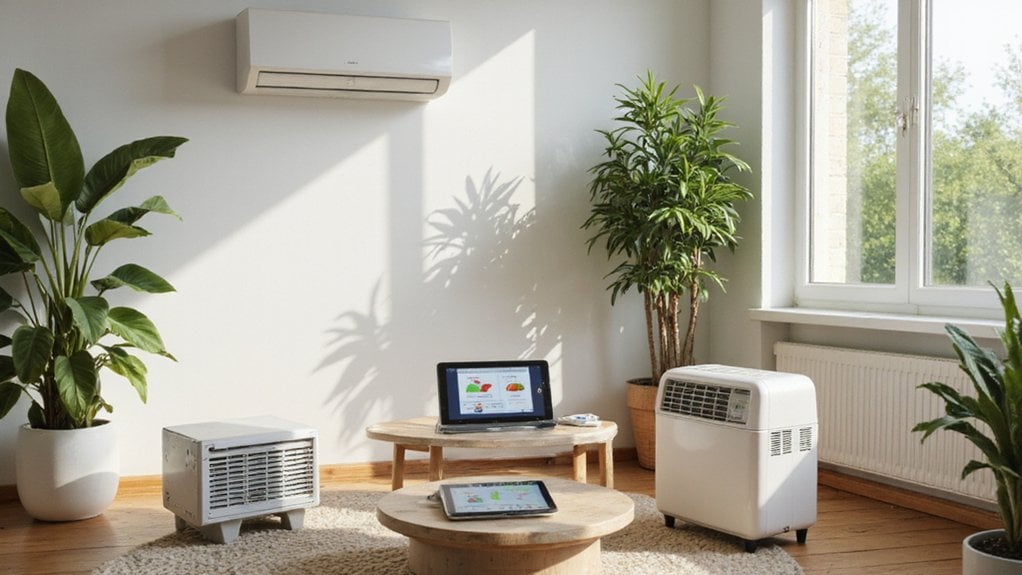
Choosing an air conditioning system for your home involves more than picking a unit that cools the room. You need to think about the size of your space, how many rooms need cooling, your electricity budget, and the type of system that suits your home.
There are several AC installation options available, from central air conditioning to ductless mini-splits and window units. Each has its own benefits, limitations, and installation requirements.
A system that works well in one home may not be the right choice for another. Understanding the differences can help you avoid unnecessary expenses and find an option that keeps your home comfortable throughout the year.
Key Factors to Consider Before Choosing an AC System
Before looking at different air conditioning systems, take some time to understand your home’s cooling requirements.
Start with the layout of your home. The number of rooms, total floor area, ceiling height, and window placement can all affect how much cooling you need.
Rooms that receive direct sunlight for several hours may need more cooling than shaded spaces. Open layouts can also have different cooling requirements compared to homes with several smaller rooms.
Insulation is another factor worth checking. Poor insulation allows cool air to escape and warm air to enter, which can make your AC work harder. Blocked vents and restricted airflow may also affect how well the system cools each room.
The number of people living in your home and the heat produced by appliances should also be considered.
A BTU (British Thermal Unit) calculation can help estimate the cooling capacity required for your space. For a more accurate assessment, an HVAC professional can consider the room dimensions, insulation, windows, occupancy, and other factors before recommending a suitable unit.
Different Types of Air Conditioning Systems for Homes
Once you understand your cooling requirements, you can compare the available AC systems.
Not every home needs a central air conditioning system. Some households may be more comfortable with a ductless unit, while others may prefer a portable or window AC.
Portable Air Conditioners
Portable air conditioners are designed to cool individual rooms and can be moved when needed. They’re often considered by renters, people living in smaller apartments, or homeowners who need temporary cooling.
These units usually require an exhaust hose connected to a window to release warm air outside. Installation is fairly straightforward compared to systems that need permanent modifications.
The main limitation is their cooling capacity. A portable AC may not be suitable for larger rooms or multiple connected spaces. Some models can also produce more operating noise than permanently installed systems.
If you only need occasional cooling in one room, a portable unit may be worth considering.
Geothermal Cooling Systems
Geothermal systems use the relatively stable temperature below the ground to support heating and cooling inside a home.
These systems require underground piping and specialised equipment, so installation involves more planning and a higher initial expense.
The upfront cost can be considerable, but geothermal systems may reduce electricity use over the years, depending on the property, system design, and local conditions.
They’re generally better suited to homeowners planning a long-term installation rather than those looking for a quick or inexpensive cooling option.
Before choosing one, consider the available land, installation requirements, and expected running costs.
Advantages of Different AC Installation Options
Every air conditioning system has its own strengths. Understanding what each option offers will make it easier to narrow down your choices.
Benefits of Central Air Conditioning
Central air conditioning is designed to cool several rooms through a network of ducts. It’s commonly used in larger homes where a single system needs to serve multiple areas.
One of its main benefits is consistent cooling throughout the house. When the ductwork is properly designed and maintained, cool air can reach different rooms without requiring separate units in every space.
Central AC systems are also generally quieter inside the rooms because much of the operating equipment is located away from the living areas.
Another advantage is air filtration. Many central systems include filters that capture dust and other airborne particles as air circulates through the home. The actual filtration performance depends on the filter type and system design.
For homeowners who want whole-house cooling, central air conditioning can be a suitable option.
Keep in mind that installation may involve considerable work, especially if your home doesn’t already have ductwork. The condition and layout of the existing ducts also affect the final cost and cooling performance.
Benefits of Ductless Air Conditioning Systems
Ductless air conditioning systems are a practical option for homes that don’t have existing ducts.
These systems allow you to cool individual rooms without installing a large network of air ducts. Each indoor unit serves a particular area, giving occupants more control over their preferred temperature.
This arrangement can be useful when family members have different cooling preferences or when certain rooms are used more frequently than others.
Installation usually requires a smaller opening through the wall for refrigerant lines and electrical connections. This means fewer structural changes compared to installing a complete central air conditioning system.
Ductless systems can also reduce the energy losses associated with ductwork. Their actual electricity use depends on the model, room size, installation, and operating habits.
If you want separate temperature controls for different rooms, a ductless system is worth considering.
Ductless Mini-Splits: A Practical Option for Modern Homes
Ductless mini-split systems are among the options homeowners consider when they want room-by-room cooling without installing ducts.
A typical mini-split includes an outdoor compressor unit connected to one or more indoor units. The indoor units can be mounted on walls or ceilings, depending on the model and available space.
One of the main benefits is that you can cool the rooms you actually use. There’s no need to run a central system throughout the entire home when only one or two rooms need cooling.
Mini-splits also offer flexibility during installation. Since they don’t depend on existing ductwork, they can work well in older houses, renovated properties, and room additions.
Their compact design makes them suitable for different room layouts. Many models also include remote controls, programmable settings, and smart features that let you adjust temperatures through a mobile app.
Before choosing a mini-split, consider the number of indoor units required, their placement, and the cooling capacity of each unit.
A properly sized system can provide comfortable room temperatures without unnecessary electricity use.
Window AC Units Compared With Other Cooling Systems
Window air conditioners remain a common choice for people who need to cool a single room.
They’re usually less expensive to purchase than central air conditioning systems and don’t require extensive installation work. Most models are designed to fit into a suitable window opening, making them a practical option for smaller homes and apartments.
Another benefit is that you can install a window AC without making major changes to your home’s existing structure, provided the window and electrical setup are suitable.
There are a few limitations to keep in mind.
A window unit generally cools the room where it’s installed. It may not provide enough cooling for an entire home or larger connected spaces.
Noise can also be a concern, especially when the unit is installed in a bedroom or living area.
Regular maintenance helps keep the system running properly. Clean the air filter as recommended, check the drainage, and make sure the unit is securely installed.
Window AC units can be a sensible choice when your cooling requirements are limited to one room. For larger homes, a ductless or central system may be more suitable.
Energy Use and Long-Term AC Operating Costs
The purchase price of an air conditioner is only part of the total expense. You also need to consider how much electricity the system will consume over time.
Energy ratings can help you compare different models and understand their expected performance.
Understanding AC Energy Ratings
Air conditioners come with different energy ratings that indicate how much cooling or heating they provide in relation to the energy they consume.
Here are some common ratings you’ll come across:
- SEER (Seasonal Energy Efficiency Ratio): Measures an air conditioner’s cooling performance across a typical cooling season. A higher SEER rating generally indicates less electricity use for the same amount of cooling under comparable conditions.
- EER (Energy Efficiency Ratio): Measures cooling performance under specific operating conditions. It can help when comparing how different units perform under a particular set of conditions.
- HSPF (Heating Seasonal Performance Factor): Measures the seasonal heating performance of heat pumps. It’s useful when comparing systems that provide both heating and cooling.
When comparing AC models, don’t look at the purchase price alone. A unit with a higher energy rating may cost more initially, but it could use less electricity during regular operation.
Your local climate, room temperature settings, insulation, and daily usage also affect the final electricity bill.
What to Expect From Long-Term Operating Costs
The monthly running cost of an AC depends on several factors, including its cooling capacity, energy rating, operating hours, and electricity tariff.
A unit that runs for several hours every day will naturally consume more electricity than one used occasionally.
Maintenance also affects long-term expenses. Dirty filters, blocked airflow, refrigerant issues, and neglected outdoor units can make an air conditioner work harder than necessary.
Some systems may have higher servicing costs because of their design or the parts they require.
Before making a purchase, ask about routine servicing, replacement filters, repair costs, and the availability of spare parts. These expenses should be part of your overall budget.
AC Installation Requirements and Costs
The type of AC you choose affects how much work is involved in installing it.
Central air conditioning usually requires ductwork throughout the home. If ducts aren’t already available, the installation team may need to make changes to ceilings, walls, or other parts of the property.
Ductless mini-splits generally involve less structural work. The indoor and outdoor units need suitable mounting locations, along with connections for refrigerant lines and electrical wiring.
Window units usually involve a simpler installation, although the window must support the unit safely.
Several other factors can affect installation expenses:
- The size and cooling capacity of the AC system.
- The distance between indoor and outdoor units.
- Changes required to existing electrical connections.
- New ductwork or modifications to existing ducts.
- Wall openings, mounting brackets, and drainage arrangements.
- Labour charges and any required local permits.
It’s worth getting a detailed estimate before confirming your purchase. Ask the installer to explain what the quoted amount includes and whether any additional work may be needed.
A professional inspection can help identify installation requirements before the work begins.
Planning a Budget for Your AC Installation
Setting a budget before purchasing an air conditioner can help you avoid unexpected expenses.
Start by comparing the purchase price of different systems. Then include installation charges, electrical work, mounting materials, and any changes required to your home.
If you’re considering central air conditioning, account for the cost of ductwork. For a ductless system, ask how many indoor units you’ll need and whether additional piping or electrical work is required.
You should also set aside some money for future servicing and repairs.
Check the average installation prices in your area to get an idea of the total expense. Getting estimates from more than one HVAC contractor can help you compare the work involved and the costs.
Some HVAC companies offer payment plans or financing options. These may help spread the initial expense over several months.
Before choosing a payment plan, check the interest rate, repayment period, processing charges, and total amount payable.
A well-planned budget should cover the AC unit, installation, and the costs of keeping it in good working condition.
Finding the Right AC System for Your Home
Choosing an AC system becomes easier when you compare your actual cooling requirements with what each option offers.
Start with the size of your home and the number of rooms that need cooling. A single-room window AC may be enough for a small space, while a larger home may need central air conditioning or several ductless units.
Think about how you use different rooms throughout the day. If some rooms remain empty for long periods, a system with individual room controls may help avoid unnecessary cooling.
Smart thermostat features are another point worth considering. Depending on the system, they can let you adjust temperatures, create schedules, and control settings remotely.
Zoning is also useful in homes where different areas have different cooling requirements. It allows you to control temperatures in separate sections rather than treating the entire house as one space.
Your local climate and electricity rates should also influence your decision. A system that suits a mild climate may not be the right choice for a home that experiences long, hot summers.
Finally, compare installation expenses, servicing needs, warranty coverage, and the availability of replacement parts.
Taking time to assess these details can help you choose an air conditioning system that fits your home, budget, and everyday routine.
Frequently Asked Questions
How Do I Determine the Right AC Size for My Home?
The right AC size depends on the room’s floor area, ceiling height, insulation, window placement, and the amount of sunlight it receives.
You should also consider the number of people using the space and the heat produced by appliances.
Cooling capacity is measured in BTUs. An HVAC professional can assess these factors and recommend a suitable unit rather than relying on room size alone.
What Are the Maintenance Requirements for Different AC Systems?
Maintenance requirements vary depending on the type of air conditioner.
Window and portable units need regular filter cleaning and drainage checks. Ductless systems require attention to their indoor filters, coils, and outdoor units.
Central AC systems also need filter replacement, duct inspections, and periodic checks of the outdoor equipment.
Scheduling professional servicing at least once a year can help identify problems before they turn into expensive repairs. Always follow the manufacturer’s maintenance instructions.
Can I Install an AC System Myself?
Some window AC units are designed for homeowner installation, provided you can follow the manufacturer’s instructions and secure the unit properly.
Central air conditioning and ductless mini-split installations are more complicated. They involve electrical connections, refrigerant lines, and other technical work.
Improper installation can affect cooling performance and create safety risks. For these systems, it’s better to hire a qualified HVAC technician who can complete the work according to local requirements.
How Long Can I Expect My AC System to Last?
Many residential air conditioning systems last around 15 to 20 years, although the actual lifespan varies by system type, usage, installation, and maintenance.
Units that operate for long hours in hot climates may experience more wear.
Regular filter cleaning, timely servicing, and prompt attention to unusual noises or cooling problems can help extend the system’s working life.
What Warranties Are Available for AC Installations?
Most air conditioning purchases include some form of manufacturer warranty. Coverage can vary depending on the brand, model, and product registration requirements.
Some manufacturers provide separate coverage for compressors and other parts. Installation warranties may also be available through the contractor who carries out the work.
Before purchasing an AC, check the warranty period, covered components, exclusions, and servicing conditions.
Ask the installer to explain what happens if a problem occurs after installation. Keeping your purchase receipt, warranty documents, and service records can also make future claims easier.
Conclusion
Choosing between different AC installation options comes down to understanding your home’s cooling needs and comparing the available systems.
Central air conditioning may suit larger homes, while ductless mini-splits offer room-by-room temperature control. Window and portable units can work well when you only need to cool a smaller space.
Consider the installation requirements, electricity use, purchase price, and future maintenance costs before making a decision.
If you’re unsure which system will work best, arrange a home assessment with an HVAC professional. Their advice can help you choose the right cooling capacity and avoid installation problems later.
A suitable air conditioning system should fit your home, meet your daily cooling needs, and stay within your planned budget.