

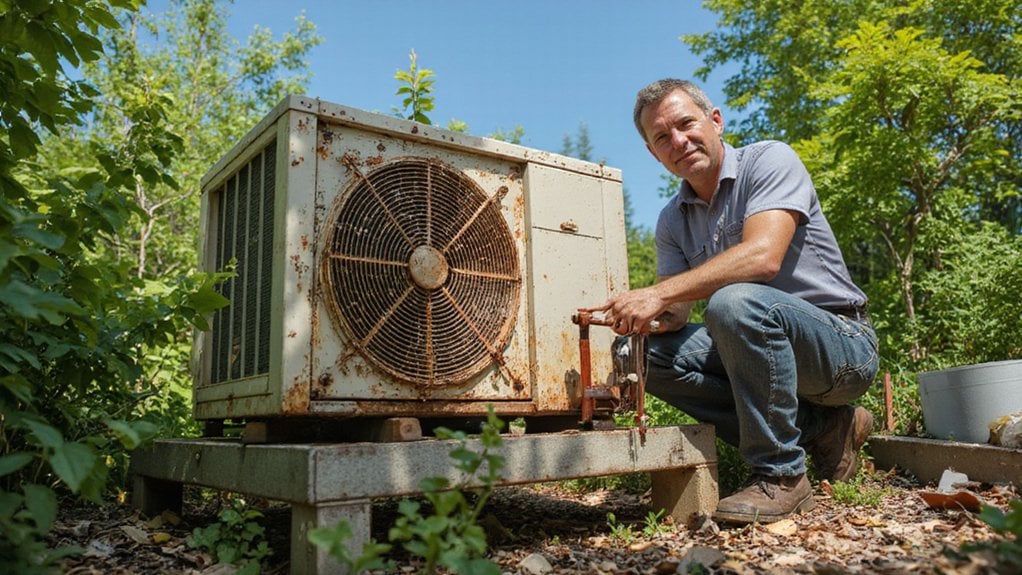
When an older air conditioner starts giving you trouble, deciding whether to repair it or replace it can be difficult. You may wonder if spending money on another repair makes sense, especially when the system has been running for more than ten years.
The good news is that an older air conditioner doesn’t always need to be replaced. Some problems, such as faulty capacitors, clogged filters, thermostat issues, or minor refrigerant leaks, can be repaired without replacing the entire unit. A professional inspection can help identify what’s wrong and whether the repair is worth the expense.
The decision becomes more complicated when breakdowns happen frequently or energy bills continue to rise. At that point, you need to look beyond the immediate repair cost and consider the system’s age, condition, running expenses, and expected remaining lifespan.
Understanding these factors can help you decide whether professional air conditioner repair is a sensible choice or whether investing in a new cooling system would be better for your home.
Key Takeaways
- Professional repairs can extend the working life of an older air conditioner when the underlying problem is relatively minor.
- An experienced HVAC technician can identify worn components and check whether other parts are likely to cause trouble.
- Frequent breakdowns and rising repair bills may indicate that replacing the system is worth considering.
- Newer air conditioners can use less electricity, which may help reduce monthly cooling expenses.
- Routine maintenance, including filter changes and seasonal inspections, can help older systems last longer.
- Repair costs should always be compared with the price of a replacement unit before making a final decision.
Signs Your AC Needs Repair
Air conditioners rarely stop working without showing some warning signs. Paying attention to changes in cooling performance can help you identify a problem before it turns into a more expensive repair.
One common sign is uneven cooling. You might notice that one room feels comfortable while another remains warm, even when the thermostat is set to the same temperature. This could point to restricted airflow, ductwork problems, or an issue with the cooling components.
Reduced airflow is another symptom worth checking. If very little air comes through the vents, the filter could be clogged, the blower motor may have developed a fault, or something could be restricting the ductwork.
Unusual sounds can also indicate trouble. Rattling, buzzing, grinding, or repeated clicking noises may come from loose parts, electrical faults, or worn mechanical components. Don’t ignore these sounds, especially if they become louder over time.
Pay attention to unpleasant smells coming from the vents, too. A musty smell may indicate moisture or mould around the indoor unit or ductwork. A burning smell could point to an electrical problem and should be checked promptly.
You may also notice that your electricity bills have increased even though your cooling habits haven’t changed. An ageing air conditioner may need to run longer to maintain the same indoor temperature.
Frequent cycling is another warning sign. If the unit repeatedly switches on and off without completing a normal cooling cycle, the thermostat, electrical controls, or other components may need attention.
When these symptoms appear, arranging a professional inspection can help you understand the cause. Early repairs may prevent further damage and reduce the chance of an unexpected breakdown during hot weather.
Benefits of Professional Air Conditioning Repair
Repairing an older air conditioner can make sense when the problem is limited to one or two components. A professional HVAC technician can inspect the unit, identify the fault, and explain what needs to be repaired.
One major benefit is accurate fault detection. What appears to be a serious compressor problem might actually be caused by a faulty capacitor, electrical connection, or thermostat. A proper inspection helps avoid unnecessary part replacements.
Professional repairs can also help extend the life of an existing system. Replacing worn electrical components, fixing airflow problems, and addressing refrigerant leaks can help the air conditioner continue operating without replacing the entire unit.
Another benefit is access to suitable replacement parts and repair equipment. HVAC technicians have the tools needed to test electrical components, inspect refrigerant circuits, and check how the system operates after the repair.
A technician can also examine the condition of other parts during the visit. This helps identify components that may need attention soon, rather than waiting until another breakdown occurs.
Before approving the work, ask for a written estimate covering labour, replacement parts, and any additional charges. You should also ask whether the repair comes with a service warranty.
Professional repair is worth considering when the system is in reasonable condition, the problem is clearly identified, and the estimated cost is lower than the expected expense of replacing the unit.
How Much Should You Expect to Spend on Repairs?
Air conditioner repair costs depend on the type of problem, the parts involved, labour charges, and the age of the system.
For example, replacing a capacitor or repairing a minor electrical fault may cost much less than dealing with a damaged compressor. Refrigerant leak repairs can also become expensive, especially when locating and fixing the leak requires extensive work.
Some repairs may cost around $100 to $1,000, although this is only a broad estimate. Actual prices vary by location, AC model, parts availability, and the amount of labour required.
When planning your repair budget, don’t focus only on the immediate service charge. Consider whether the technician expects other parts to need attention soon.
An older unit may have several worn components. Paying for one repair today could be followed by another service visit a few months later. Looking at the likely total expense gives you a clearer picture of what you’re spending.
Before approving a repair, ask the technician to explain:
- What caused the problem.
- Which parts need to be repaired or replaced.
- How much the parts and labour will cost.
- Whether other components show signs of wear.
- How long the repaired system is expected to continue working.
- Whether the repair includes a warranty.
Getting more than one estimate can also help you compare prices and understand the work being recommended.
A planned repair budget can make it easier to manage unexpected expenses, especially if your air conditioner is approaching the later years of its expected lifespan.
Comparative Costs: Repair vs. Replacement
Deciding between repairing and replacing an older air conditioner requires more than comparing two price quotes. You also need to consider how often the system breaks down and how much it costs to keep it running.
Start by looking at your repair history. If you’ve needed several service visits over the past few years, add those expenses together. A single repair may seem affordable, but repeated spending can make the existing unit expensive to maintain.
One commonly used guideline is the 50% rule. If a major repair costs around half the price of a new air conditioner, replacement may be worth considering. This isn’t a fixed rule, though. The unit’s age, condition, and expected remaining lifespan should also influence your decision.
Energy consumption is another factor. Older systems may use more electricity than newer models to provide the same level of cooling. If your current unit runs for long periods and your electricity bills remain high, replacing it could reduce future running expenses.
Think about installation costs as well. A new air conditioner may require changes to electrical connections, ductwork, drainage, or other parts of the existing setup. These expenses should be included when comparing the total cost.
If the current system has been well maintained and needs only a relatively inexpensive repair, keeping it may be the more sensible option.
On the other hand, repeated breakdowns, expensive component failures, and poor cooling performance can make replacement a better financial decision.
If your older air conditioner needs frequent repairs or struggles to cool your home, considering AC installation in San Antonio, TX may be a sensible option
How Age Affects Air Conditioner Efficiency
An air conditioner’s age can have a noticeable effect on how well it cools your home.
As the system gets older, certain components begin to wear down. Coils can become dirty or corroded, motors may lose performance, and electrical parts can develop faults. These problems can affect how much cooling the unit provides and how long it needs to run.
You may notice that the air conditioner takes longer to cool a room than it did when it was new. It might also struggle to maintain the temperature during particularly hot afternoons.
Longer operating hours can increase electricity consumption. If the system is running for extended periods without delivering the same level of comfort, it may be time to arrange an inspection.
Age alone doesn’t determine whether an air conditioner needs replacing. A well-maintained unit may continue working beyond its expected lifespan, while a poorly maintained system may develop serious problems much earlier.
The condition of the compressor, evaporator coil, condenser coil, blower motor, and electrical components all play a part in how well the unit operates.
Regular servicing can help address dirt buildup and minor faults. It won’t reverse normal ageing, but it can reduce avoidable wear and help you get more use from the system.
Energy Savings With Newer AC Models
Newer air conditioners are designed to provide cooling while using less electricity than many older models.
One reason is the use of variable-speed technology. Some modern systems can adjust compressor and fan speeds based on the cooling demand instead of operating at full capacity all the time.
This allows the unit to maintain indoor temperatures with fewer abrupt changes in operation. Depending on the model and installation, it may also help reduce electricity consumption.
Energy ratings are another factor to check when comparing air conditioners. In markets where SEER ratings are used, a higher rating generally indicates greater seasonal cooling efficiency under standard testing conditions.
In India, buyers should also check the applicable BEE star rating and annual electricity consumption details. These figures can help when comparing models available in the local market.
Refrigerant type is worth checking, too. Newer air conditioners may use refrigerants with a lower global warming potential than older systems. The exact refrigerant depends on the model.
A new unit does involve an upfront purchase and installation cost. The potential savings on electricity bills should be compared with this expense before deciding to replace an older system.
If your existing air conditioner is still working well and needs only a small repair, replacing it purely because newer models are available may not make financial sense.
AC Lifespan Expectations
Most residential air conditioners have an expected working life of around 12 to 15 years. Some units may last longer, while others develop serious problems earlier.
Several factors influence how long an air conditioner continues to work. These include installation quality, usage patterns, outdoor conditions, maintenance, and the condition of individual components.
An air conditioner used for several hours every day may experience more wear than a unit that runs occasionally. In places with long, hot summers, cooling systems can also face heavier operating demands.
Maintenance has a direct effect on the condition of the equipment. Dirty filters restrict airflow, while dust and debris around the outdoor unit can interfere with heat transfer.
Refrigerant problems, electrical faults, and neglected mechanical issues can also affect the system’s lifespan.
If your air conditioner is more than ten years old, it’s worth paying closer attention to its repair history and cooling performance. That doesn’t mean you need to replace it immediately.
Ask a technician to assess the condition of the main components and give you an honest opinion about the likely remaining service life.
If the unit cools properly and requires only occasional maintenance, continuing to use it may be reasonable. Frequent breakdowns or expensive repairs may point towards replacement.
Key Factors in Deciding Between Repair and Replacement
Before spending money on an older air conditioner, take some time to assess the condition of the entire system.
Repair frequency
Think about how often you’ve called an HVAC technician during the past two or three years. Occasional repairs are normal, but repeated breakdowns may suggest that several components are reaching the end of their working life.
Cost of the repair
Compare the repair estimate with the purchase and installation cost of a new unit. If the repair is expensive and the system is already old, replacement deserves serious consideration.
Condition of major components
The compressor, condenser coil, evaporator coil, and blower motor can be costly to repair or replace. Ask the technician whether these parts are still in good condition.
Electricity consumption
Look at your recent electricity bills and compare them with previous periods. A noticeable increase may be related to longer AC operating hours, reduced cooling performance, or other household changes.
Availability of replacement parts
Some older models have parts that are difficult to source. This can increase repair costs and extend the time needed to get the system working again.
Future plans for your home
If you plan to stay in your home for several more years, a new air conditioner may offer lower running costs and fewer age-related repair concerns. If you’re planning to move soon, a smaller repair may be a more practical choice.
Considering these points together can help you avoid spending money on repairs that offer little long-term benefit.
Tips for Extending Your AC’s Lifespan
A little regular care can help an older air conditioner continue working for longer. You don’t need to wait until something goes wrong before paying attention to its condition.
Simple maintenance tasks, timely servicing, and early attention to unusual behaviour can reduce unnecessary strain on the cooling system.
Regular Maintenance Schedule
A regular maintenance schedule helps keep dirt buildup and minor faults from turning into larger problems.
Start by checking the air filter. Depending on the type of filter and how often the AC runs, it may need cleaning or replacement every few weeks or months. A clogged filter can restrict airflow and make the system work harder.
Keep the outdoor unit clear of leaves, dust, and other debris. Make sure there is enough space around the condenser for air to circulate.
Professional servicing before the cooling season can help identify problems that aren’t easy to spot during everyday use.
During an inspection, an HVAC technician may:
- Clean the evaporator and condenser coils.
- Check electrical connections and controls.
- Inspect the blower motor and fan.
- Check the refrigerant circuit for leaks.
- Examine the condensate drain.
- Test the thermostat and cooling operation.
- Check airflow through the indoor unit and vents.
The exact maintenance work will depend on the air conditioner model and its condition.
If you notice unusual noises, water leakage, weak airflow, or a sudden change in cooling, arrange an inspection rather than waiting for the next scheduled service.
Upgrade Components Strategically
Replacing individual components can sometimes improve the performance of an older air conditioner without requiring a complete system replacement.
The right choice depends on the condition of the equipment and the cost of the work.
For example, a worn capacitor or faulty fan motor may be worth replacing if the rest of the system is in good condition. A damaged thermostat may also be replaced without changing the entire cooling unit.
Major parts such as compressors and coils need more careful consideration. Their replacement can be expensive, especially when the air conditioner is already approaching the end of its expected lifespan.
Before approving a major component upgrade, ask the technician to compare the repair cost with the price of a new system.
Compatibility also matters. Not every modern component can be fitted to an older AC model. The replacement part must match the manufacturer’s specifications and the existing system.
Avoid replacing working components simply because newer versions are available. Focus on parts that have developed faults or are affecting the system’s operation.
A sensible repair plan can help you get more use from your existing air conditioner without spending more than necessary.
Frequently Asked Questions
How Do I Find a Qualified HVAC Professional?
Look for an air conditioning technician with suitable training, experience, and knowledge of your AC brand and model. Check customer reviews and ask about previous repair work.
Request a written estimate before approving the service. If the technician recommends an expensive repair, ask them to explain the fault and show you which component needs attention.
For refrigerant-related work, electrical repairs, and compressor issues, choose a trained professional rather than attempting the job yourself.
What Specific Repairs Are Most Common for Older AC Units?
Older air conditioners may develop problems with capacitors, fan motors, thermostats, electrical connections, and refrigerant circuits.
Dirty coils and clogged filters can also affect cooling performance. In some systems, the compressor or other major components may eventually fail.
The exact repair depends on the model, age, usage, and maintenance history. A professional inspection can help identify the actual cause instead of replacing parts based on symptoms alone.
Can I Perform Any Repairs Myself to Save Costs?
You can handle a few routine maintenance tasks without professional assistance.
Cleaning or replacing accessible air filters, removing loose debris around the outdoor unit, and checking thermostat settings are common examples.
Switch off the system before carrying out any cleaning around accessible components, and follow the manufacturer’s instructions.
Refrigerant handling, electrical repairs, and work involving the compressor should be left to trained technicians. These jobs require specialist tools and safety precautions.
How Long Does a Typical Repair Take?
The time required depends on the type of fault and whether replacement parts are available.
A simple repair, such as replacing a capacitor or addressing a minor electrical issue, may take around one to two hours. More complicated work involving refrigerant leaks, motors, or compressors can take longer.
If a replacement part needs to be ordered, the repair may take several days to complete.
Ask the technician for an estimated service time after the problem has been diagnosed.
What Warranties Are Available for Air Conditioner Repairs?
Repair warranties vary between service providers and the type of work performed.
Some technicians offer a short warranty on labour, while replacement parts may come with separate manufacturer coverage. The duration can range from a few weeks to a year or longer, depending on the provider and component.
Before approving the repair, ask what the warranty covers and whether it applies to both parts and labour.
Get the warranty details in writing so you know what to expect if the same problem occurs again.
Conclusion
Deciding whether professional air conditioner repair is worth the expense depends on the unit’s age, condition, repair history, and electricity consumption.
If your older system has developed a minor fault and its major components are still in good shape, professional repair may help you get several more years of use from it.
But if breakdowns are becoming frequent, repair bills are increasing, or cooling performance continues to decline, replacing the system may be a better financial decision.
Compare the estimated repair cost with the price of a new air conditioner, including installation and expected running expenses. Don’t base the decision on age alone.
Regular filter cleaning, seasonal servicing, and prompt attention to warning signs can also help reduce unnecessary wear.
A professional inspection gives you a clearer picture of your air conditioner’s condition and helps you decide whether another repair is worth the money or whether it’s time for a replacement.