

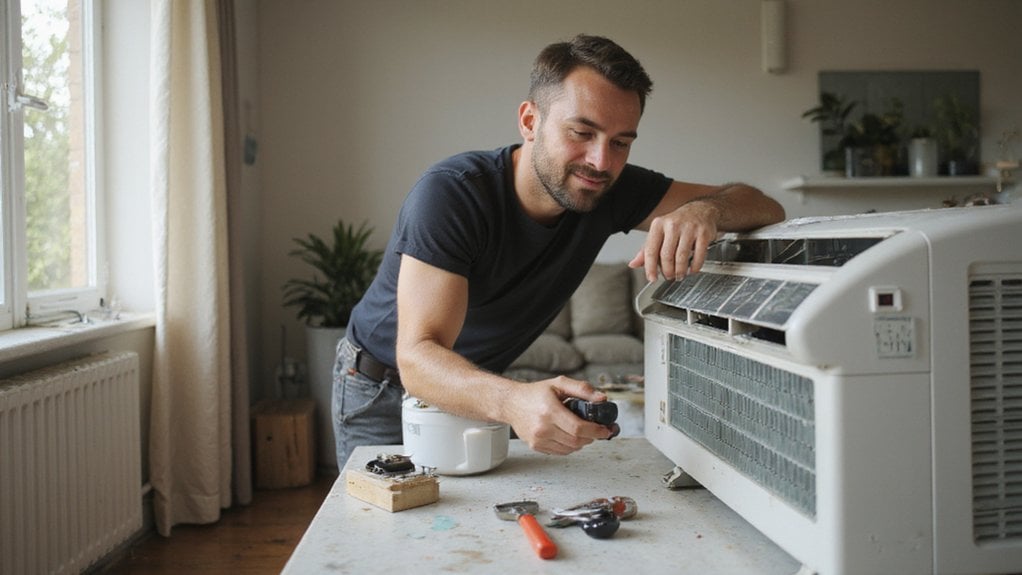
When your air conditioner isn’t working properly, keeping your home comfortable can become difficult. Uneven cooling, weak airflow, unusual noises, or rising electricity bills are often signs that something isn’t right.
Professional AC repair helps identify these problems before they turn into larger issues. A trained technician can inspect the system, find the source of the problem, and carry out the necessary repairs to restore proper cooling.
Regular maintenance also plays a part in keeping your AC running throughout the season. Small issues, such as clogged filters or faulty components, can affect cooling performance if left unattended.
Understanding when your AC needs professional attention can help you avoid unexpected breakdowns, manage energy costs, and maintain a comfortable indoor environment.
Key Takeaways
- Professional AC repair helps maintain consistent indoor temperatures by addressing problems such as refrigerant leaks, faulty thermostats, and restricted airflow.
- Trained technicians can identify underlying faults before they develop into more expensive repairs.
- Regular AC maintenance helps improve cooling performance and can reduce unnecessary energy consumption.
- Early attention to warning signs can prevent sudden breakdowns during periods of heavy AC use.
- Professional repairs reduce the risks associated with handling electrical components and refrigerants without proper training.
The Importance of Regular AC Maintenance
An air conditioner needs regular attention to keep working properly. Without routine maintenance, dust, worn components, and minor mechanical faults can affect its cooling performance.
Scheduling professional AC maintenance before the summer season gives technicians an opportunity to inspect the system and address problems that might otherwise go unnoticed.
One of the simplest but most important maintenance tasks is cleaning or replacing the air filter. Dirty filters restrict airflow, making it harder for the AC to circulate cool air. The system may then run for longer periods, increasing electricity consumption.
Neglecting these small maintenance tasks can also put extra pressure on important components. Over time, this may contribute to more serious faults and shorten the equipment’s working life.
Regular servicing helps keep the system in good condition. It can also support better indoor air quality by reducing the buildup of dust and other particles inside the unit.
How to Identify When Your AC Requires Professional Help
Your air conditioner usually gives warning signs when something isn’t working as it should. Paying attention to these changes can help you arrange repairs before the problem gets worse.
Unusual sounds, unpleasant smells, and uneven cooling are some of the common signs that your system needs attention.
Unusual Noises and Smells
An air conditioner should produce a relatively consistent operating sound. If you suddenly hear grinding, rattling, buzzing, or hissing, there may be a problem that needs professional inspection.
Different sounds can point to different faults. Loose components or debris may cause rattling, while grinding noises can indicate problems with moving parts. A hissing sound may be associated with a refrigerant leak.
Unpleasant smells also deserve attention. A musty odour may point to moisture or mould inside the unit. A burning smell could indicate an electrical fault or an overheating component.
Ignoring these warning signs can allow a minor issue to develop into a more expensive repair.
It’s best to switch off the system if you notice a burning smell or suspect an electrical problem. Contact a qualified AC technician to inspect the unit before using it again.
Inconsistent Temperature Control
Does one room feel comfortable while another remains warm, even when the AC is running?
Uneven cooling can indicate an issue with your air conditioning system. Temperature differences between rooms may be linked to restricted airflow, dirty filters, duct problems, or an incorrectly working thermostat.
You may also notice that the AC keeps running without reaching the temperature set on the thermostat. In some cases, the thermostat itself may be faulty or poorly positioned.
These problems can affect everyday comfort, especially during hot weather.
A professional inspection can help identify the cause of uneven cooling. Getting the issue checked early can help restore balanced airflow and maintain a more consistent indoor temperature.
Common AC Issues That Require Expert Attention
Air conditioning systems contain several components that work together to provide cooling. When one part develops a fault, the performance of the entire system can suffer.
Some common problems that need professional attention include:
- Thermostat problems: A faulty thermostat may give incorrect temperature readings or prevent the AC from maintaining the selected setting.
- Refrigerant leaks: Low refrigerant levels can reduce cooling performance and may cause the system to work harder than necessary.
- Clogged air filters: Dust buildup restricts airflow and can affect the cooling capacity of the unit.
- Electrical faults: Damaged wiring, capacitor problems, or circuit board faults can cause the AC to stop working or operate intermittently.
- Compressor problems: A faulty compressor can seriously affect the system’s ability to cool indoor spaces.
- Airflow restrictions: Blocked ducts, dirty coils, or fan motor problems can prevent cool air from reaching different parts of the home.
- Drain line blockages: A clogged condensate drain can cause water leakage around the indoor unit.
Some of these problems may appear minor at first. But continuing to run an AC with an underlying fault can put additional pressure on other components.
A qualified technician can inspect the system, identify the source of the problem, and recommend the appropriate repair.
Why Hire Certified HVAC Technicians?
Air conditioning systems involve electrical connections, refrigerants, compressors, and other components that require proper handling.
Certified HVAC technicians have received training to inspect, diagnose, and repair these systems. Their technical knowledge helps them identify faults that may not be obvious during a basic visual check.
They can also determine whether a problem requires a simple repair, component replacement, or further inspection.
Professional technicians stay informed about current equipment requirements and safety procedures. This matters when working with electrical parts and refrigerants, where incorrect handling can create safety risks.
Hiring a qualified technician also helps reduce the chances of unnecessary repairs. Rather than replacing parts without identifying the actual fault, they can assess the system and recommend work based on its condition.
Professional servicing can help maintain cooling performance and reduce avoidable wear on the equipment.
How Professional Repairs Save Energy
An air conditioner that isn’t working properly may consume more electricity while struggling to cool your home.
Problems such as refrigerant leaks, dirty condenser coils, restricted airflow, and faulty electrical components can affect how the system operates.
For example, when airflow is restricted, the AC may need to run for longer to reach the selected temperature. A refrigerant-related problem can also reduce cooling performance, making the system work harder than necessary.
Professional repairs address these faults at their source. Technicians can clean affected components, repair damaged parts, and check whether the system is operating as intended.
This can help reduce unnecessary energy consumption and prevent additional strain on the equipment.
Regular servicing also gives technicians an opportunity to identify developing problems before they affect everyday cooling.
Keeping your AC in good working condition can make a difference to both indoor comfort and monthly electricity expenses.
How Indoor Air Quality Affects Your Comfort
Indoor comfort isn’t just about the temperature displayed on your thermostat. Humidity, ventilation, and airborne particles also affect how your home feels.
An air conditioning system plays a part in managing these conditions. When it isn’t maintained properly, indoor air quality and overall comfort may suffer.
Humidity Levels Matter
Humidity affects how comfortable your home feels, even when the air conditioner is running.
When humidity is too high, indoor spaces can feel sticky and uncomfortable. Excess moisture can also encourage mould growth, particularly in areas with poor ventilation.
Very dry indoor air can cause other problems, including dry skin and irritation of the nose and throat.
Air conditioning systems help remove moisture from indoor air as part of the cooling process. A properly functioning unit can help maintain more comfortable humidity levels.
Indoor humidity is often kept within a range of around 30% to 50%, depending on the conditions and individual comfort needs.
If your AC isn’t removing enough moisture, there may be an issue with its cooling cycle, drainage system, or overall operation.
Professional inspection and maintenance can help identify these problems and restore the system’s ability to manage indoor humidity.
Airborne Pollutants Impact Health
Dust, pollen, pet dander, and other airborne particles can affect the quality of the air inside your home.
For people with allergies or respiratory sensitivities, these particles may contribute to coughing, sneezing, wheezing, and other symptoms.
Your AC filter helps capture some of these particles before the air circulates through the system again. But when the filter becomes dirty or damaged, its ability to capture airborne particles may be reduced.
A poorly maintained AC can also collect dust and moisture in different parts of the unit.
Regular filter cleaning or replacement, along with professional servicing, helps keep the system cleaner and supports better indoor air quality.
If indoor air quality remains poor despite regular maintenance, it may be worth checking the ventilation system and other possible sources of indoor pollutants.
Ventilation Enhances Comfort
Good ventilation helps maintain fresh indoor air and prevents stale air from building up inside enclosed spaces.
When airflow is restricted, some areas of your home may feel stuffy or uncomfortable. Poor ventilation can also contribute to moisture buildup and uneven temperature distribution.
Air conditioning and ventilation work together, but they serve different purposes. Your AC cools and circulates indoor air, while ventilation helps bring in fresh air and remove stale air.
Regular inspection of vents, ducts, and other airflow components can help identify blockages or restrictions.
Proper airflow also helps distribute cool air more evenly throughout your home. This reduces temperature differences between rooms and makes indoor spaces more comfortable.
If certain areas remain warm despite running the AC, a technician can check the system for airflow problems and recommend suitable repairs.
Save Money With Timely AC Repairs
Putting off an AC repair might seem like a way to avoid an immediate expense. But a small fault can sometimes develop into a much larger problem when left unattended.
For example, a minor electrical issue or restricted airflow may place additional pressure on other components. Continued operation under these conditions can increase the likelihood of further damage.
Timely repairs help address the source of the problem before it affects other parts of the system.
A properly functioning AC can also use electricity more effectively. When components are clean and working as intended, the system may not need to run as long to provide the required cooling.
Regular maintenance can help extend the working life of your equipment, reducing the chances of having to replace the entire unit earlier than expected.
Spending on necessary repairs at the right time can help protect your budget from larger, unexpected AC expenses.
Why DIY AC Repairs Can Lead to Costly Mistakes
Trying to fix an air conditioner yourself may seem like a simple way to save money. Some basic maintenance tasks are suitable for homeowners, but repairing internal components is a different matter.
Modern AC systems contain electrical parts, pressurised refrigerant circuits, and mechanical components that need careful handling.
One common mistake is attempting to deal with refrigerant levels without the required training and equipment. Incorrect handling can damage the system and create safety risks.
Misdiagnosing a fault is another problem. For example, replacing a thermostat won’t solve the issue if the actual cause is a damaged electrical component or restricted airflow.
Opening electrical panels or working on internal components without proper knowledge can also lead to injuries or further equipment damage.
Homeowners can safely handle simple tasks such as cleaning accessible filters, keeping the area around the outdoor unit clear, and checking thermostat settings.
For refrigerant leaks, electrical faults, compressor problems, and other internal repairs, it’s best to contact a qualified AC technician.
How to Choose the Right AC Repair Service?
Choosing an AC repair service requires more than comparing prices. You want a technician who can identify the problem correctly and explain the work needed.
Here are a few things worth checking before booking a repair:
- Company reputation: Read customer reviews and look for feedback about the quality of repairs, punctuality, and service experience.
- Clear pricing: Ask for an estimate before work begins. The company should explain labour charges, replacement parts, and any additional costs.
- Technician qualifications: Check whether the technicians have suitable training and experience with your type of air conditioning system.
- Service warranty: Ask whether the company provides warranty coverage for replacement parts and repair work.
- Response time: During hot weather, a long wait for repairs can be uncomfortable. Check how quickly the service provider can attend to your issue.
- Repair explanation: A good technician should explain what’s causing the problem and what needs to be done before starting the repair.
Taking time to check these details can help you choose a service provider who understands your AC system and can carry out the required work safely.
Frequently Asked Questions
How Often Should I Schedule Professional AC Maintenance?
It’s a good idea to schedule professional AC maintenance twice a year, ideally before the summer and winter seasons.
Regular checkups give technicians an opportunity to inspect important components, clean the system, and identify developing problems. The exact maintenance schedule may vary depending on your AC type, usage, and manufacturer’s recommendations.
What Qualifications Should I Look for in an HVAC Technician?
Look for a technician with relevant HVAC training, recognised certifications, and practical experience in AC installation and repair.
Certifications such as NATE or EPA credentials may apply to technicians working in the United States. Requirements vary by country, so check the relevant local qualifications and licensing rules.
Can I Perform Maintenance Tasks Myself to Save Money?
Yes. Homeowners can handle some simple maintenance tasks, including cleaning or replacing accessible air filters, keeping outdoor units free from debris, and checking thermostat settings.
But internal electrical repairs, refrigerant handling, and compressor-related problems should be left to trained professionals.
How Long Do Professional AC Repairs Typically Take?
Many routine AC repairs take around one to four hours. The actual time depends on the type of fault, the condition of the equipment, and whether replacement parts are available.
More complicated repairs may take longer, especially when additional inspection or component replacement is required.
What Warranties Should I Expect With AC Repair Services?
AC repair companies may offer warranty coverage for replacement parts and labour. The coverage period can range from a few weeks to several years, depending on the company, type of repair, and parts used.
Before approving the work, ask for the warranty terms in writing. Check what is covered, how long the coverage lasts, and whether any conditions apply.
Conclusion
Consistent indoor cooling depends on more than simply switching on your air conditioner. The system needs regular maintenance and timely repairs to keep its components working properly.
Unusual noises, unpleasant smells, weak airflow, and uneven temperatures are signs that your AC may need professional attention. Ignoring these problems can lead to higher electricity bills, reduced cooling performance, and unexpected breakdowns.
A qualified technician can identify the cause of the problem, carry out the required repairs, and help keep your system in good working condition.
Taking care of your AC throughout the year can help maintain indoor comfort, manage energy expenses, and reduce the chances of major equipment problems. If you notice changes in your system’s performance, arrange an inspection rather than waiting for a complete breakdown.