

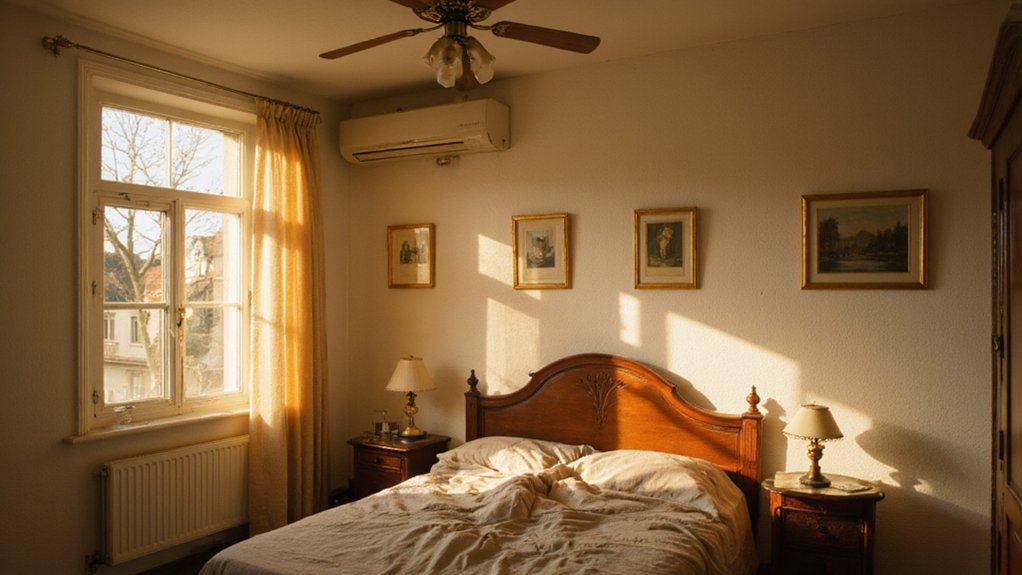
It’s frustrating when your central AC is running, but one room in your home still feels warm. You might notice that the living room stays comfortable while a bedroom, upstairs space, or room at the end of the hallway never seems to cool down.
This problem is more common than you might think. It doesn’t always mean your air conditioner is failing. Sometimes, the issue comes down to blocked vents, poor insulation, ductwork problems, or too much sunlight entering the room.
The layout of your home can also affect how cool air moves from one space to another. Even something as simple as placing a large piece of furniture in front of an air vent can make a difference.
Before assuming you need a new AC unit, it’s worth looking at what’s happening inside the room. Finding the source of the problem can help you choose the right fix and make your home more comfortable.
Key Takeaways
- High humidity can make a room feel warmer, even when the AC is running.
- Blocked air vents and furniture placed too close to them can restrict airflow and create warm spots.
- Poor insulation allows outdoor heat to enter, making it harder for your AC to maintain a comfortable temperature.
- Direct sunlight through windows can raise indoor temperatures, especially in rooms without curtains or other window coverings.
- Closing off unused rooms may help in some situations, but restricting airflow without checking your HVAC system can create other problems.
- Regular AC maintenance and duct inspections can help identify problems that affect cooling throughout your home.
Understanding Why Your Room Is Too Hot Despite AC
When one room stays warm while the rest of your home feels cool, the problem often comes down to uneven air distribution or heat entering the space faster than the AC can remove it.
Your central air conditioning system is designed to distribute cool air through a network of ducts and vents. If something interferes with that process, certain rooms may not receive enough conditioned air.
Humidity can also make the situation worse. Even when the thermostat shows a comfortable temperature, high moisture levels can make the room feel warmer and less comfortable.
Another possibility is that the room gains more heat than other areas of your home. For example, a bedroom with large south-facing windows may receive direct sunlight for several hours. An upstairs room may also become warmer because heat naturally collects at higher levels.
The best way to narrow down the cause is to look at the room itself and how your cooling system serves it.
Check whether the air coming from the vent feels cool. Pay attention to how much air is coming through and whether the room has any obvious sources of heat.
These small observations can help you work out whether the issue involves airflow, insulation, sunlight, or the AC system itself.
How Blocked Vents Raise Room Temperatures
Air vents play an important role in distributing cool air throughout your home. When something blocks a supply vent, the room may not receive enough conditioned air to maintain a comfortable temperature.
Furniture is one of the most common reasons for restricted airflow. A sofa, bed, cabinet, or storage unit placed directly in front of a vent can prevent cool air from spreading across the room.
Dust and debris can also collect around vent openings. While a small amount of dust may not cause a major problem, heavy buildup can restrict airflow over time.
Take a look at every vent in the room. Make sure the openings are clear and that furniture, rugs, and curtains aren’t covering them.
It’s also worth checking whether the vent is fully open. Some vents have adjustable louvers that control the direction of airflow. If they’re pointed toward a wall or blocked by nearby objects, cool air may not reach the areas where you need it.
If the vent is clear but airflow still feels weak, the problem may be deeper inside the ductwork.
A disconnected duct, buildup inside the duct, or a problem with the duct design can reduce the amount of cool air reaching a particular room. These issues usually need an HVAC technician to inspect and correct them.
Keeping vents clear is a simple place to start, but weak airflow that continues after cleaning and removing obstructions deserves a closer look.
How Poor Insulation Affects Your Hot Room
Your air conditioner can only do so much if heat keeps entering the room. Poor insulation makes it harder to maintain a comfortable indoor temperature, especially during warmer months.
Insulation helps slow the movement of heat between the outdoors and your living space. When it’s missing, damaged, or poorly installed, outdoor heat can pass through walls, ceilings, and other parts of the building.
Rooms with insufficient attic insulation can be especially uncomfortable. Heat from the roof can transfer into the rooms below, making upstairs bedrooms warmer than the rest of the house.
Air leaks create another problem. Small gaps around windows, doors, electrical outlets, and other openings allow warm outdoor air to enter. At the same time, conditioned air may escape through those gaps.
You may notice that the room becomes warm soon after the AC switches off. This can happen when outdoor heat continues entering the space or when cool air escapes through poorly sealed areas.
Start by checking the seals around windows and doors. Look for visible gaps, damaged weatherstripping, or areas where you can feel warm air entering.
If the room has an attic above it, checking the insulation may also help identify the problem. A professional insulation inspection can show whether additional insulation or air sealing is needed.
Addressing these issues can reduce unwanted heat entering the room and help your AC maintain a more comfortable temperature.
How Room Layout and Sunlight Affect Your Room Temperature
The way a room is arranged can affect how cool air moves through the space. Even when your AC supplies enough cool air, poor furniture placement can prevent it from circulating properly.
Large furniture pieces can create areas where air barely moves. If a bed, wardrobe, or sofa blocks a vent, the cool air may stay concentrated in one part of the room instead of spreading evenly.
Try rearranging furniture so that vents have enough open space around them. Avoid placing large objects directly in front of supply vents or return air grilles.
Sunlight is another common reason one room feels warmer than the rest of the house.
Windows allow sunlight to enter, and that energy can heat floors, walls, furniture, and other surfaces. Rooms with large windows or limited shade may become noticeably warmer during the afternoon.
Window coverings can help reduce this heat. Thermal curtains, blinds, and reflective window coverings can limit the amount of sunlight entering the room.
Ceiling fans can also help with comfort by moving air around the space. They don’t lower the actual room temperature, but the moving air can help you feel cooler.
Remember to check other sources of indoor heat as well. Computers, televisions, gaming equipment, lamps, and other electronics can add warmth, especially in smaller rooms.
Paying attention to furniture placement, sunlight, and indoor heat sources can help explain why one room feels warmer than the rest of your home.
Effective Solutions to Cool Down That Stubborn Room
Once you’ve identified some possible causes, you can start making changes to help the room cool down.
You don’t necessarily need to replace your AC system. Several small adjustments may help, depending on what’s causing the problem.
Clear the air vents
Start by checking all supply and return vents. Remove furniture or other objects that block airflow. Clean visible dust from the vent covers and make sure adjustable vents are open.
Check your AC filter
A dirty air filter can restrict airflow throughout the home. Check the filter regularly and clean or replace it according to the manufacturer’s instructions.
If you haven’t checked it in several months, this is a good place to start.
If your AC continues to struggle with cooling a particular room, professional AC repair can help identify problems with airflow, system components, or cooling performance
Use ceiling fans
A ceiling fan can help move cool air around the room. During warmer months, set the fan to rotate counterclockwise when viewed from below. This creates a downward airflow that can make the room feel cooler.
Reduce direct sunlight
Close curtains or blinds during the hottest parts of the day. If the room receives strong afternoon sunlight, consider thermal curtains or other window coverings that limit heat entering through the glass.
Look for air leaks
Check the edges of windows and doors for gaps. Damaged seals and poorly fitted frames can allow warm air to enter. Sealing these openings can help keep outdoor heat from affecting the room.
Check the ductwork
If one room consistently receives less cool air than the others, the ductwork may need attention. A technician can inspect the ducts for leaks, loose connections, blockages, or design problems.
Manage indoor humidity
High humidity can make a room feel warmer than it actually is. A dehumidifier may help reduce excess moisture, especially in rooms that feel damp or stuffy.
Avoid closing off rooms without checking airflow requirements
You might think closing unused rooms will send more cool air into the spaces you use most. But this isn’t always the case. Some HVAC systems are designed to distribute air throughout the entire home.
Closing too many vents or rooms can affect system pressure and airflow. If you want to adjust how air is distributed, ask an HVAC technician whether your system supports that change.
If you’ve tried these steps and the room remains warm, a professional inspection can help identify problems that aren’t easy to see.
Frequently Asked Questions
Can Ceiling Fans Help Cool Down a Hot Room?
Yes, ceiling fans can help cool down a hot room. Proper fan placement and correct airflow direction enhance circulation, promoting a cooler environment. Make certain the blades rotate counterclockwise for ideal cooling during warmer months.
How Often Should I Clean My AC Filter?
You should clean your AC filter every one to three months, depending on usage. Regular filter maintenance improves air quality, enhances system efficiency, and prolongs the lifespan of your air conditioning unit. Don’t neglect it!
Does the Size of the AC Unit Matter?
Yes, the size of the AC unit matters. An appropriately sized unit guarantees ideal AC unit efficiency, effectively cooling the room. If it’s too small, it can’t handle the room size impact, leading to discomfort.
Is It Normal for Some Rooms to Be Hotter Than Others?
Yes, it’s normal for temperature variations to occur. Factors like room insulation, sunlight exposure, and airflow can cause differences in comfort levels. Ensuring proper insulation and airflow helps maintain a consistent temperature throughout your home.
How Can I Improve Air Circulation in My Home?
To improve air circulation in your home, conduct a ductwork evaluation to identify any airflow obstruction. Clear blockages and guarantee vents are unobstructed. Consider using fans to enhance circulation in hotter areas.
Getting Consistent Cooling Throughout Your Home
When one room stays hot even though your central AC is running, the problem usually has something to do with airflow, insulation, sunlight, or the way your home distributes heat.
Start with simple checks. Make sure the vents are clear, inspect the AC filter, and look for furniture that may be blocking the movement of air. If the room receives direct sunlight, adding window coverings may help reduce the heat entering the space.
Don’t overlook insulation and ductwork, either. Gaps around windows, damaged insulation, and leaking ducts can all make it harder for your cooling system to keep certain rooms comfortable.
If the problem continues after you’ve checked these areas, consider scheduling an HVAC inspection. A technician can measure airflow, inspect the ductwork, and check whether your system is properly sized for your home.
You shouldn’t have to keep adjusting the thermostat just to make one room comfortable. Finding the actual cause of uneven cooling can help you get more consistent temperatures throughout your home.