Learn how to tell whether a high CPS Energy bill comes from AC use, billing changes, or an HVAC problem—and what San Antonio homeowners can check next.
QUICK ANSWER
Compare the bill’s kWh, billing days, and charges separately. If electricity use rose and your AC runs longer, cools unevenly, short-cycles, or cannot reach the set temperature, airflow or equipment problems may be contributing. Check the filter and thermostat first; schedule an HVAC diagnosis if the change persists. Hotter weather and household changes can also raise usage, so a bill by itself does not prove the AC is faulty.
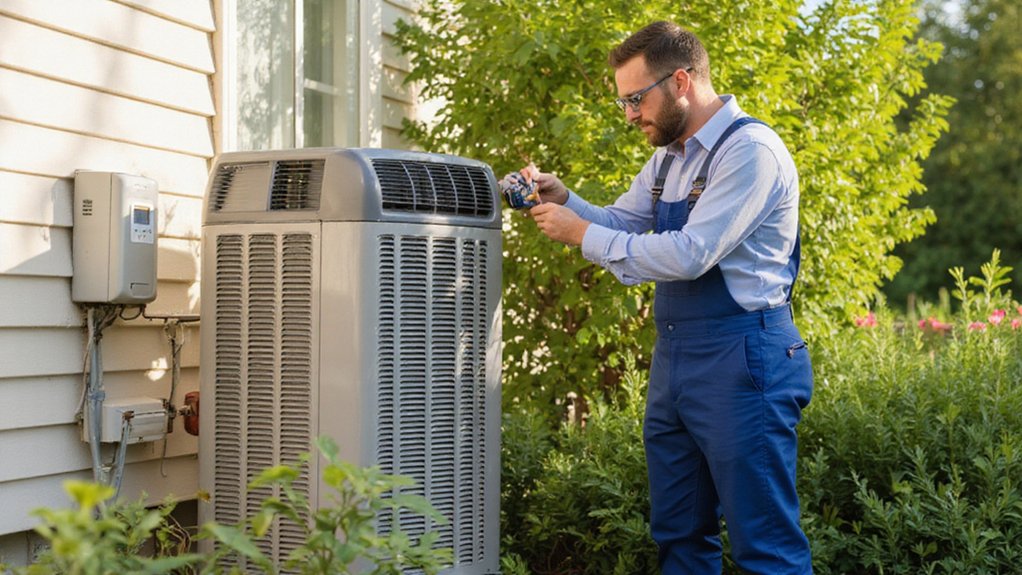
An AC inspection can identify maintenance issues, but the bill also reflects usage, billing days, and utility charges.
A large summer bill can feel like an air conditioner problem, especially after weeks of heat. The useful first step is to separate a higher bill from higher electricity use. Then compare that pattern with what the AC is doing inside the home. This guide helps San Antonio homeowners decide whether to review the utility bill, make a safe basic check, or call for HVAC service.
Quick comparison
Read the bill before blaming the AC
What changed?
What it may indicate
Useful next check
Total dollars rose; kWh is similar
Charges, credits, billing days, or account changes may explain the difference.
Compare billing days and line items; ask CPS Energy about account-specific charges.
Daily kWh rose during hotter weather
Cooling demand or another household load may have increased.
Compare similar weather periods and note major appliance or schedule changes.
kWh rose with weak cooling or unusual runtime
An airflow, control, coil, duct, or equipment issue may be contributing.
Record the symptoms and request a system evaluation if they persist.
Start with the bill: price, usage, and days are different clues
Find the kilowatt-hours (kWh) and number of days in the billing period. Divide kWh by days to get a rough daily-use figure. Then compare with a similar season, not only the immediately prior month. A longer billing cycle can raise the total even if daily usage barely changed.
Next compare charges. If kWh stayed about the same but the dollar amount increased, the explanation may involve rates, fuel or regulatory adjustments, fees, credits, or account changes. For account-specific questions, use the bill information and CPS Energy customer support. The HVAC contractor cannot explain utility billing terms.
CPS Energy provides customer-facing energy tips and usage tools. See its current energy-saving information; program details and eligibility can change.
Why San Antonio weather changes cooling use
An AC removes heat from indoors and moves it outside. When outdoor temperature and humidity rise, the system has more heat to remove and may operate for longer periods. A steady long run on a very hot afternoon is not automatically a defect. The better question is whether the system is keeping the home near the set point and whether its pattern changed compared with similar weather.
Sun through windows, cooking, laundry, occupancy, thermostat schedules, open doors, insulation, attic temperature, and duct condition also change the load. If multiple rooms heat up at the same time each afternoon, note which rooms and whether they face west or sit above a hot attic. That information can help distinguish equipment trouble from uneven building loads.
Avoid setting the thermostat extremely low to “make it catch up.” That does not make a conventional system cool faster and can keep it running longer. Use a comfortable setting and allow time for the home to recover after doors have been open or heat-producing appliances have run.
AC symptoms that make a service call worthwhile
A bill increase matters more when it comes with a performance change. Call for an evaluation if the home will not reach the set temperature, the system runs for very long periods in mild weather, several rooms have weak airflow, cooling takes much longer than before, or the unit shuts down and restarts every few minutes.
Pay attention to new sounds, ice, water near the indoor equipment, burning odors, repeated breaker trips, or a thermostat error. Ice and electrical symptoms should not be ignored. Turn the system off if operation could cause damage and arrange qualified service.
Keep a short log for a day: thermostat setting, indoor temperature, approximate run periods, outdoor conditions, and symptoms. Don’t open the cabinet or put tools near moving or energized parts. A short factual history is more useful than guessing that the unit needs refrigerant.
System symptoms should be evaluated alongside the utility bill.
Common HVAC causes of higher usage
Airflow restrictions: A dirty filter, blocked return, dirty blower, or restricted coil can limit air movement. ENERGY STAR recommends checking a central-system filter monthly during heavy-use months and changing or cleaning it when needed. Use the filter size and type your equipment calls for.
Dirty heat-transfer surfaces: The indoor and outdoor coils need to move heat. Dirt and debris can reduce performance. Coil inspection and cleaning are maintenance tasks, but cleaning must be appropriate to the coil and equipment. Avoid harsh chemicals or bending fins yourself.
Electrical and control faults: A failing capacitor, contactor, thermostat, sensor, or motor can cause poor operation or frequent starts. Short cycling has multiple potential causes, including control, airflow, refrigerant, and sizing conditions. See Trane’s short-cycling overview; a technician should diagnose the actual fault.
Refrigerant leak or compressor issue: Refrigerant is not consumed like fuel. If charge is low, the technician should look for a leak and determine the proper repair. Adding refrigerant without addressing a leak may leave the root cause in place.
Duct or home-envelope losses: Leaky ducts, poor return paths, or insufficient insulation can make rooms uncomfortable and raise cooling demand. If the system checks out, ask whether duct leakage or home efficiency deserves a separate assessment.
Safe checks to do before booking
Check the air filter and replace it if visibly loaded. Ensure supply vents and return grilles are not covered by rugs, furniture, or curtains. Verify the thermostat mode and schedule. Look at the outdoor unit from a safe distance and remove loose leaves around it without opening panels or spraying chemicals.
Check whether the bill period is longer than usual, whether household occupancy changed, or whether a pool pump, electric vehicle, dehumidifier, or other major load started running more often. If your utility provides daily or interval data, compare when use increased with AC runtime and weather.
Do not open an electrical panel, handle refrigerant, reach through grilles, or bypass a float switch or breaker. If the AC is icing, repeatedly tripping a breaker, or giving off a burning smell, stop using it and call a qualified HVAC professional.
What an HVAC evaluation should explain
Tell the technician the bill’s dates and kWh change, when the performance changed, the system age if known, thermostat setting, and any rooms that feel different. The technician can inspect airflow and filters, coils, controls, electrical components, condensate safety, and operating performance based on the equipment and symptoms.
Ask which measurements support the diagnosis. If repair is recommended, request the failed part or condition, repair scope, price, and warranty in writing before approving work. If tests do not show an equipment issue, ask whether a duct or home-load evaluation is the next practical step.
Do not assume every increase comes from one appliance. Compare kWh and charges first. Do not buy a new system based on one high bill without a diagnosis, load considerations, and written replacement proposal. Do not repeatedly reset a tripping breaker; it is a safety device responding to a problem.
Do not close many supply vents to “push” more air into other rooms. That can disrupt airflow and system operation. Do not install a filter with a much higher resistance unless the equipment supports it. And do not accept a refrigerant top-off as the complete solution if a leak has not been addressed.
A tune-up is not a guaranteed bill-reduction product. It may correct a condition that wastes energy; your result depends on the condition found, weather, home, usage, and utility charges.
Visual guide
Follow the evidence from bill to next step
1Check kWhSeparate use from the amount due.
2Compare daysNormalize bills with different cycle lengths.
3Note AC behaviorLog runtime, comfort, and airflow changes.
4Choose who can helpUtility for charges; HVAC service for system symptoms.
This chart sorts the investigation; it does not estimate savings or prove the AC caused a bill change.
A practical decision path for San Antonio homeowners
If kWh is stable but the amount due changed, begin with CPS Energy. If kWh rose during hotter days but comfort is normal, compare weather and household use. If kWh rose alongside weak airflow, short cycling, poor cooling, ice, or new noises, arrange HVAC service. If HVAC operation tests normally but some rooms stay hot, look at ducts, insulation, and sun exposure.
Keep the bill and service notes together. Record the date of filter replacement, repairs, and thermostat changes. That helps you compare the next bill against a similar period and evaluate whether a confirmed repair changed system behavior.
ASC Heating & Air serves San Antonio and nearby communities. For persistent symptoms, request an AC evaluation through ASC’s contact page or review the AC repair service.
How to compare bills without misreading the trend
Choose a comparison period that is as similar as possible. Comparing a mild spring month with a long July heat wave does not isolate an equipment change. If you have last year’s bill for the same season, compare the number of billing days and kWh. Divide the total kWh by billing days to compare average daily use when the billing periods differ.
Look for changes in the home as well as the equipment. Did household members work from home more often? Was a pool pump timer changed? Did you add an electric vehicle charger, dehumidifier, freezer, or other appliance? Was the thermostat schedule changed by an app or a family member? Write down what changed rather than relying on memory.
Keep charges separate from usage. Utility rate components, credits, taxes, and account adjustments can alter the amount owed even when kWh is similar. The HVAC technician can evaluate system operation but cannot tell you which account charge changed. Ask CPS Energy about bill-specific items and use its customer tools for usage history.
Finally, connect the bill trend to comfort. If daily use rose while the indoor temperature and runtime stayed typical for the weather, a change elsewhere in the home may explain it. If the AC now runs longer, cools unevenly, or cannot reach set point, include those symptoms when requesting service. This step-by-step comparison helps avoid paying for a repair based only on a dollar amount.
Questions to ask CPS Energy and your HVAC company
Ask CPS Energy which part of the statement changed: energy use, fuel or regulatory adjustment, billing days, fees, or a credit. The answer helps you decide whether to investigate the bill or the equipment. Keep the account number private when sharing screenshots; a public article or contractor does not need to see account credentials.
Ask your HVAC company what the diagnostic visit includes, whether the service charge applies toward an approved repair, and whether cleaning or parts are extra. If the system is working but your usage increased, ask what measurements can test performance and whether a duct or airflow check is part of the appointment.
Before approving work, request a written estimate that separates the confirmed repair from optional recommendations. If the diagnosis is “low refrigerant,” ask whether a leak was found, what repair is proposed, and how the system will be checked after service. If the answer is only “it needs a tune-up,” ask what task was missed and what the tune-up will cover.
These are different questions for different professionals: CPS Energy explains the account and utility data; an HVAC technician evaluates equipment; a building-efficiency contractor may assess insulation or ducts. Assigning each question to the right source can save time and reduce misdiagnosis.
Frequently asked questions
Why did my CPS Energy bill go up if I did not change the thermostat?
Weather, billing-period length, household loads, system runtime, and utility charges can all affect the total. Compare kWh and billed days first, then check whether the AC’s comfort or operation changed.
Can a dirty AC filter make my bill higher?
A dirty filter can restrict airflow and make the system work harder. ENERGY STAR recommends checking the filter monthly during heavy-use months and cleaning or replacing it as needed.
Is a constantly running AC always broken?
No. Long operation can occur during extreme heat. It is more concerning if the home cannot approach the set temperature, operation changed suddenly, or long runs continue in mild weather.
What should I tell an HVAC technician about a high bill?
Share the bill dates, kWh change, daily-use comparison if available, thermostat setting, system age, symptom start date, run pattern, and rooms with comfort problems.
Will a tune-up lower my CPS Energy bill?
It may correct a maintenance problem that affects performance, but it cannot guarantee a specific dollar or percentage reduction. Weather, building conditions, and use affect the bill.
Want an HVAC professional to check the system?
Tell ASC what changed, how the system is running, and what you found when comparing your bill. We can discuss the appropriate next step for your San Antonio property.
Ron Carter has more than 20 years of hands-on HVAC experience as a technician, instructor, sales manager, and business owner. He leads ASC Heating & Air, a family-owned company serving San Antonio. Ron is a licensed Air Conditioning and Refrigeration Contractor in Texas (License No. TACLB00031551E). His articles share practical guidance to help homeowners make informed decisions about heating, cooling, and preventative maintenance.