

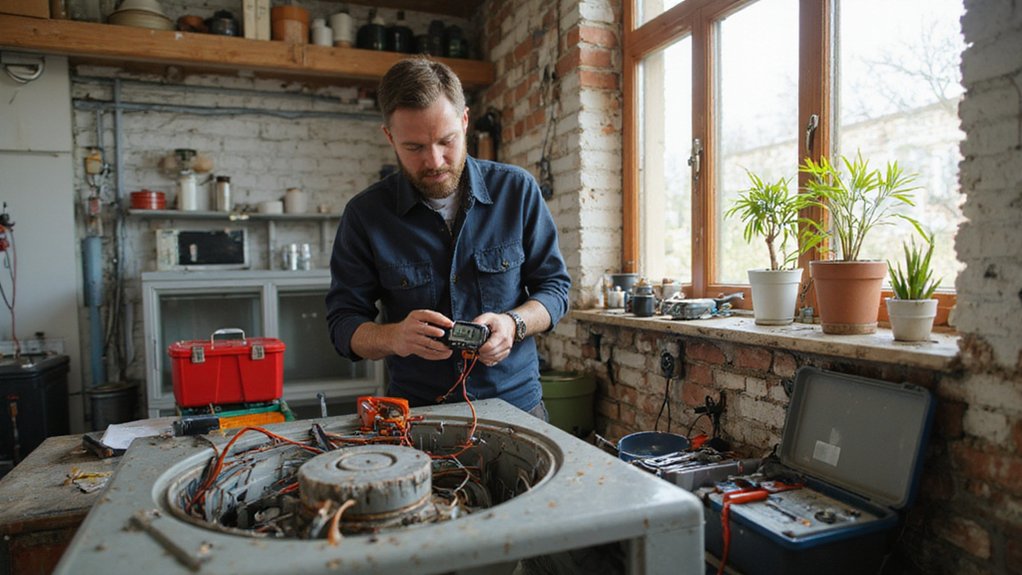
A comfortable home depends on more than just having an air conditioner or heating system. Your HVAC system needs to work properly throughout the year to maintain comfortable indoor temperatures and good airflow. When something goes wrong, a complete residential HVAC repair service helps identify the problem and get the system working again.
Common problems include thermostat malfunctions, leaking ducts, restricted airflow, and low refrigerant levels. Some issues are easy to spot, while others develop slowly and may go unnoticed until your system starts struggling.
A professional HVAC technician checks the different parts of your system, identifies what needs attention, and carries out the necessary repairs. The service may also include cleaning, safety checks, and recommendations to prevent similar problems in the future.
So, what does a complete HVAC repair service actually cover? Let’s look at the common problems, system components, repair procedures, and maintenance tasks homeowners should understand.
Key Takeaways
- A complete HVAC inspection can uncover problems such as faulty thermostats, duct leaks, restricted airflow, and refrigerant leaks.
- Heating, cooling, and ventilation components all need attention to keep your home comfortable throughout the year.
- Regular maintenance helps reduce unexpected breakdowns, control energy costs, and extend the working life of HVAC equipment.
- Professional HVAC services may include system inspections, energy assessments, seasonal tune-ups, and repairs.
- Qualified technicians follow safety procedures when working with electrical connections, refrigerants, heating equipment, and other HVAC components.
What Common HVAC Problems Should You Look For?
HVAC problems don’t always begin with a complete system failure. Sometimes, the first signs are small changes in temperature, airflow, or the sounds coming from your equipment.
Knowing what to look for can help you arrange repairs before a minor fault develops into a larger problem.
Thermostat problems are a common starting point. If your thermostat displays the wrong temperature or doesn’t respond to adjustments, your heating or cooling system may not operate as expected. The issue could involve incorrect settings, wiring, battery problems, or a faulty thermostat.
Leaking ductwork can also affect indoor comfort. When air escapes through gaps or damaged sections, certain rooms may receive less heating or cooling than others. You might notice weak airflow from vents or temperature differences between rooms.
Low refrigerant levels are another concern in air conditioning systems. Refrigerant doesn’t normally get used up during regular operation. If the level is low, there may be a leak that needs professional attention.
Unusual sounds deserve attention, too. Rattling, buzzing, grinding, or loud humming can point to loose parts, electrical faults, or problems with the fan or compressor.
A dirty air filter may seem like a small issue, but it can restrict airflow and put extra pressure on the system. Replacing filters at the recommended intervals helps keep air moving properly.
Watch for these warning signs:
- Rooms that never reach the temperature set on the thermostat.
- Weak airflow from supply vents.
- Unusual noises or vibrations during operation.
- Water collecting around indoor equipment.
- Higher electricity bills without a clear reason.
- An air conditioner or furnace that switches on and off frequently.
If you notice any of these symptoms, arrange an inspection. Finding the cause early can help prevent further damage.
Key Components of an HVAC System
A residential HVAC system, which stands for heating, ventilation, and air conditioning, brings together several components to control indoor temperature and airflow. Heating equipment warms your home, cooling equipment removes indoor heat, and ventilation helps circulate and refresh the air.
Understanding how these parts work makes it easier to see what a repair service needs to cover.
Heating Components Overview
Your heating system keeps indoor spaces comfortable when outdoor temperatures drop. Depending on your home’s setup, it may use a furnace or another type of heating equipment.
The furnace produces heat and sends warm air through the ductwork. Over time, dust buildup, worn parts, ignition problems, or airflow restrictions can affect its operation.
During a repair visit, a technician may inspect the burner assembly, heat exchanger, blower motor, ignition system, and electrical connections. The exact checks depend on the type of furnace and the problem being reported.
The thermostat also plays a major role. It tells the heating system when to switch on and when to stop. If the temperature reading is inaccurate, your furnace may run longer than necessary or fail to provide enough heat.
Thermostat calibration and wiring checks can help identify these problems.
Ductwork deserves attention as well. Damaged connections, loose joints, and blocked sections can prevent warm air from reaching certain rooms.
A complete heating inspection looks at how these components work together rather than focusing only on the furnace itself.
Cooling System Essentials
During warmer months, your air conditioning system removes heat from indoor air and transfers it outside. Several components work together to make this happen.
The compressor moves refrigerant through the cooling system. If it develops a fault, the air conditioner may struggle to cool your home or stop working altogether.
The evaporator coil absorbs heat from indoor air as refrigerant passes through it. Dust and dirt buildup can interfere with heat transfer and restrict airflow.
Outside the home, the condenser coil releases the collected heat into the surrounding air. Dirt, leaves, and other debris around the outdoor unit can affect this process.
The expansion valve controls how much refrigerant enters the evaporator coil. A problem with this component can affect the cooling cycle.
A technician may inspect these parts, check refrigerant pressure, test electrical connections, and examine the fan motors. If a refrigerant leak is found, it needs to be located and repaired before the system is recharged.
Thermostat settings also affect cooling performance. Setting a temperature that suits your household and keeping the equipment clean can help the system operate without unnecessary strain.
Ventilation Mechanisms Explained
Heating and cooling equipment control indoor temperatures, but ventilation also affects how comfortable your home feels.
Ventilation helps remove stale indoor air and brings fresh air into living spaces. Depending on the building and HVAC setup, this may happen through natural ventilation, exhaust fans, or mechanical ventilation systems.
Natural ventilation uses windows, doors, and vents to allow outdoor air to enter and indoor air to escape.
Exhaust ventilation uses fans to remove air from areas such as kitchens and bathrooms. This helps control moisture, cooking odours, and indoor pollutants.
Balanced ventilation uses mechanical equipment to bring fresh air inside while removing a similar amount of indoor air.
Air ducts, filters, fans, and vents all contribute to ventilation performance. If ducts become blocked or fans stop working properly, airflow may become uneven.
During a residential HVAC service, technicians may check accessible ductwork, inspect fans, and look for obstructions that affect air movement.
Proper ventilation also helps reduce excess moisture and maintain better indoor air conditions.
How Technicians Diagnose HVAC Problems?
A complete repair service starts with finding out what’s causing the problem. Replacing a part without understanding the underlying fault can lead to repeated breakdowns.
The technician will usually begin by asking about the symptoms you’ve noticed. They may want to know when the problem started, whether it happens throughout the day, and whether you’ve noticed unusual sounds, smells, or changes in temperature.
After discussing the issue, they inspect the system and its main components.
The inspection may include:
- Checking thermostat settings, wiring, and temperature readings.
- Inspecting air filters and looking for restricted airflow.
- Examining indoor and outdoor units for visible damage.
- Checking electrical connections and control components.
- Measuring refrigerant pressure when required.
- Inspecting ductwork for leaks or loose connections.
- Testing fans, motors, and other moving parts.
Technicians also use diagnostic equipment to measure system performance. These readings help them determine whether the equipment is operating within the expected range.
For example, an air conditioner that isn’t cooling properly may have a dirty evaporator coil, a refrigerant leak, a faulty compressor, or an airflow problem. Each issue requires a different repair.
Once the cause has been identified, the technician should explain the problem and discuss the recommended work.
This gives homeowners a clearer idea of what needs attention, which parts may need replacement, and whether any further inspection is required.
Top HVAC Repair Services for Homeowners
Residential HVAC repair covers more than fixing an air conditioner that suddenly stops working. A complete service may include inspections, cleaning, testing, and repairs across the heating and cooling equipment.
System inspections help technicians check the overall condition of your HVAC equipment. They look for worn components, electrical faults, airflow restrictions, and signs of damage.
Energy assessments can help identify areas where your heating or cooling system may be using more electricity than necessary. A technician may examine equipment condition, thermostat settings, ductwork, and airflow.
Seasonal maintenance visits prepare your system for periods of heavy use. An air conditioner can be checked before summer, while heating equipment can be inspected before colder weather arrives.
These visits may include:
- Cleaning accessible coils and equipment surfaces.
- Inspecting air filters and replacing them when needed.
- Checking refrigerant levels and looking for leaks.
- Examining electrical connections.
- Testing thermostat operation.
- Checking condensate drains.
- Inspecting fans, motors, and other mechanical parts.
When an inspection reveals a fault, the technician can recommend the necessary repair.
Some problems may only require cleaning or adjusting a component. Others may involve replacing a damaged motor, repairing ductwork, fixing electrical connections, or addressing a refrigerant leak.
A complete service should also include an explanation of the work performed and any concerns that may need attention later.
Why Regular Maintenance Is Essential for HVAC Systems
An HVAC system works through repeated heating and cooling cycles. Dust, worn parts, blocked filters, and normal equipment use can affect its performance over time.
Without routine care, small problems may go unnoticed until the system stops working properly.
Prevents Costly Repairs
Routine HVAC maintenance gives technicians a chance to identify developing problems before they cause more damage.
For example, a small refrigerant leak may initially cause reduced cooling. If left untreated, the system may continue running under strain, potentially damaging the compressor.
A worn electrical connection or failing fan motor can also cause operating problems. Finding these faults during an inspection may prevent a more serious breakdown.
Preventive maintenance usually includes checking major components, cleaning equipment, inspecting connections, and testing system operation.
The cost of routine servicing is often easier to plan for than an unexpected repair involving major parts.
Regular inspections also help homeowners understand the condition of their equipment. If a component is showing signs of wear, you can discuss repair or replacement options before it causes a complete failure.
Enhances Energy Efficiency
A poorly maintained HVAC system may need to run longer to maintain the temperature you want. Dirty filters, blocked coils, leaking ducts, and faulty controls can all contribute to unnecessary energy use.
Cleaning the equipment and keeping airflow unrestricted can help reduce this problem.
Routine maintenance may include cleaning coils, checking refrigerant levels, inspecting fans, and replacing dirty filters.
An energy assessment can also help identify problems that aren’t immediately visible. For example, duct leaks may allow cooled or heated air to escape before it reaches the rooms where it’s needed.
Thermostat settings are another area worth reviewing. A programmable thermostat can adjust indoor temperatures according to your household’s schedule, reducing unnecessary heating or cooling when nobody is home.
Regular care helps your equipment maintain comfortable temperatures without putting unnecessary pressure on its components.
Improving Energy Efficiency in Your HVAC Repair
When arranging an HVAC repair, it’s worth looking beyond the immediate fault. The condition of other components can also affect how much electricity your system uses.
A technician may suggest energy-saving upgrades if your existing equipment is outdated or struggling to meet your home’s heating and cooling needs.
High-efficiency air filters, suitable replacement motors, and updated control systems may help improve system performance. The right choice depends on your equipment and the condition of the existing setup.
Thermostat upgrades are another option. A smart thermostat can follow your preferred schedule and adjust temperatures based on your settings. Some models also offer remote control through a mobile application.
Ductwork should be checked during the repair visit, especially if certain rooms receive less airflow than others. Sealing gaps and repairing damaged sections can help prevent conditioned air from escaping.
You can also make a few simple changes around the home:
- Replace air filters according to the manufacturer’s recommendations.
- Keep outdoor units clear of leaves, dust, and other obstructions.
- Avoid blocking indoor supply and return vents with furniture.
- Use suitable temperature settings for your household.
- Arrange professional inspections at recommended intervals.
These steps can help reduce unnecessary system strain and keep indoor temperatures more consistent.
Ensuring Safety During HVAC Repairs
HVAC repairs involve electrical connections, moving equipment, heating components, and refrigerants. Some tasks can pose serious risks when handled without the right training or equipment.
Safety should be part of every residential repair visit.
Before starting work, technicians should follow suitable safety procedures and use personal protective equipment (PPE). Depending on the repair, this may include gloves, safety glasses, and other protective gear.
Electrical work requires special care. Technicians should isolate the power supply when required and check electrical components before handling them.
Heating equipment also needs careful inspection. For gas furnaces, technicians may need to check burners, gas connections, ventilation, and the heat exchanger. Suspected gas leaks or combustion problems require prompt professional attention.
Refrigerant handling is another task that should be left to trained professionals. Different refrigerants have specific handling requirements, and technicians need suitable equipment to test, recover, and recharge them.
Before hiring an HVAC technician, check their training, qualifications, and any licences required in your area.
You can also ask whether the service includes a final system test. Once repairs are complete, the technician should check that the equipment operates properly and explain any remaining concerns.
Frequently Asked Questions
How Long Does a Typical HVAC Repair Service Take?
A typical HVAC repair service takes about one to three hours, depending on system malfunctions and the complexity of the issue. Repair timeframes vary, so it’s best to consult your technician for specifics.
What Are Common Costs Associated With HVAC Repairs?
Common costs associated with HVAC repairs include labor, parts, and diagnostic fees. A repair cost breakdown often reveals unexpected expenses. Following seasonal maintenance tips can help minimize these costs and enhance your system’s efficiency.
Are Warranties Included With HVAC Repair Services?
Yes, most HVAC repair services include warranty coverage. You’ll find repair guarantees that protect you against defects in workmanship or parts, ensuring peace of mind while extending your system’s lifespan and efficiency.
Can I Perform Any HVAC Repairs Myself?
Yes, you can perform some DIY HVAC repairs, but it’s essential you follow safety precautions. Always shut off power first, use proper tools, and consult manuals. For complex issues, consider calling a professional to avoid risks.
How Do I Choose the Right HVAC Repair Service?
To choose the right HVAC repair service, check customer reviews for reliability and satisfaction. Verify service qualifications, including licenses and certifications, to guarantee you’re hiring knowledgeable professionals who can effectively address your HVAC needs.
Keeping Your Residential HVAC System in Good Condition
A complete residential HVAC repair service covers several areas, from identifying the cause of a breakdown to inspecting heating, cooling, and ventilation components.
Knowing the warning signs can help you arrange repairs before a minor issue affects the rest of your system. Regular maintenance also gives technicians an opportunity to check worn parts, clean equipment, and identify problems that could lead to unexpected breakdowns.
When choosing an HVAC service provider, look for trained technicians who explain their findings, discuss repair options, and test the system after completing the work.
Taking care of your heating and cooling equipment helps maintain comfortable indoor temperatures throughout the year. If your system has started making unusual noises, producing weak airflow, or struggling to maintain the set temperature, consider arranging a professional inspection.