

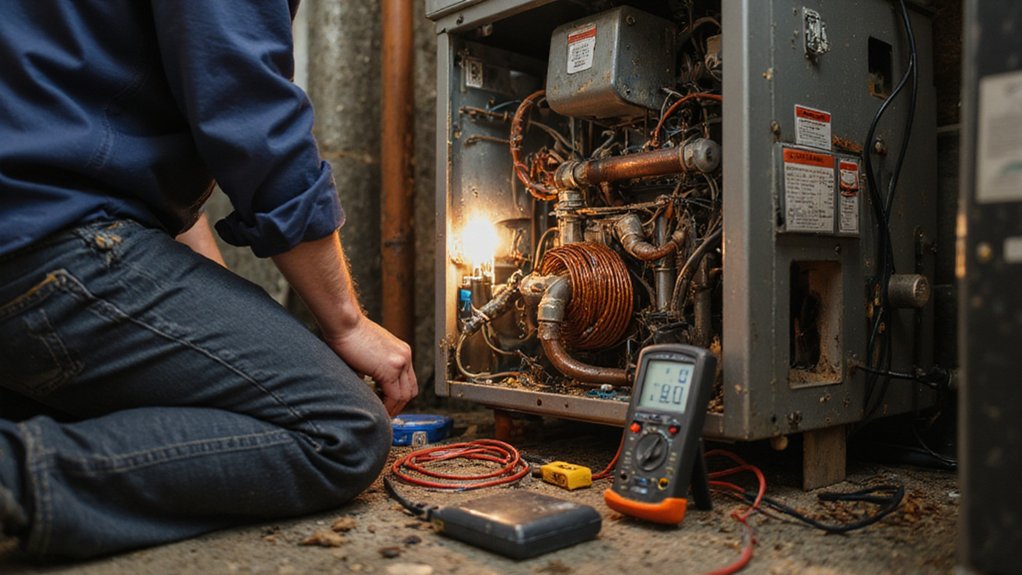
When both your heating and cooling systems stop working, it can make your home uncomfortable very quickly. You might notice that the air conditioner isn’t cooling, the furnace isn’t producing heat, or neither system responds when you adjust the thermostat.
Heating, ventilation, and air conditioning (HVAC) systems regulate indoor temperature and air quality through connected heating, cooling, and ventilation components.
When this happens, the problem may involve a shared HVAC component rather than two separate equipment failures. Thermostat problems, electrical faults, restricted airflow, and damaged control components can affect the operation of both heating and cooling systems.
Finding the source of the problem helps determine which repairs are needed. Some issues are easy to check at home, while others require an experienced HVAC technician.
Let’s look at the common problems that can affect both systems, what you can safely check, and when professional repairs are necessary.
Key Takeaways
- Check your thermostat settings and batteries. A thermostat problem can prevent both heating and cooling equipment from starting.
- Inspect your home’s circuit breaker panel for a tripped breaker, but avoid repeatedly resetting it.
- Replace dirty air filters that restrict airflow and place extra strain on HVAC equipment.
- Watch for signs of refrigerant leaks, such as ice buildup, hissing sounds, and poor cooling performance.
- Pay attention to unusual noises, burning smells, and frequent system shutdowns.
- Contact an HVAC technician when basic checks don’t resolve the problem or when electrical, refrigerant, or mechanical repairs are needed.
Common HVAC Problems That Affect Both Heating and Cooling
Heating and cooling systems share several components, even when they use separate equipment. A fault in one of these shared parts can affect the entire HVAC setup.
For example, a thermostat that stops communicating with the equipment may prevent both the furnace and air conditioner from responding. A power supply problem can have a similar effect.
Here are some common problems that may explain why both systems have stopped working.
Thermostat malfunctions: A damaged thermostat, dead batteries, loose wiring, or incorrect settings can prevent the heating and cooling equipment from receiving the right instructions.
Electrical faults: Tripped circuit breakers, blown fuses, damaged wiring, or failed electrical connections can interrupt power to HVAC components.
Blower motor problems: The blower moves conditioned air through your home’s ductwork. If the motor fails, you may notice little or no airflow from the vents.
Dirty air filters: Dust and debris can restrict airflow, making the equipment work harder and potentially causing it to shut down.
Control board failures: The control board manages communication between different HVAC components. If it stops working properly, the heating and cooling equipment may fail to start.
Refrigerant problems: Low refrigerant levels can affect air conditioner operation and may damage the compressor if the issue continues.
Ductwork damage: Leaking or disconnected ducts can prevent heated or cooled air from reaching different rooms.
Identifying the affected component is the starting point for choosing the right repair.
How to Tell If Your Thermostat Is Causing the Problem
When neither heating nor cooling works, checking the thermostat is a sensible place to start. Since it controls when your HVAC equipment turns on and off, a malfunction can affect both functions.
Look at the thermostat display. If the screen is blank, the batteries may be dead, or the unit may have lost its power supply.
You should also check whether the thermostat responds when you change the temperature setting. If the display works but the equipment doesn’t respond, there may be a communication or wiring problem.
Signs of a Faulty Thermostat
A thermostat doesn’t always stop working completely when it develops a fault. Sometimes, it continues displaying information but sends incorrect instructions to the HVAC equipment.
Watch for these signs:
- Incorrect temperature readings: The thermostat displays a temperature that doesn’t match the actual room temperature.
- Unresponsive controls: Changing the temperature or operating mode doesn’t produce any response.
- Frequent system cycling: The heating or cooling equipment switches on and off more often than expected.
- Blank display: The screen goes dark, which may indicate dead batteries or a power problem.
- Delayed operation: The system takes an unusually long time to respond to thermostat adjustments.
- Unexpected temperature changes: The equipment runs even when the room has already reached the selected temperature.
These symptoms can point to a thermostat fault, although other HVAC problems may produce similar signs.
How to Check Thermostat Accuracy
You can perform a simple temperature comparison to see whether your thermostat is reading correctly.
Place a separate room thermometer near the thermostat. Leave both devices in the same area for several minutes, then compare their readings.
A difference of a few degrees may suggest that the thermostat needs attention. Before assuming it has failed, check for dust around the sensor and make sure the thermostat isn’t exposed to direct sunlight, drafts, or heat from nearby appliances.
Some models allow temperature adjustments through their settings. Follow the manufacturer’s instructions if you need to make changes.
If the readings remain inconsistent or the system doesn’t respond, an HVAC technician can test the thermostat and its wiring.
Common Thermostat Problems to Check
Dead batteries are among the simplest thermostat problems to resolve. If your model uses replaceable batteries, installing fresh ones may restore normal operation.
Incorrect settings can also cause confusion. Check whether the thermostat is set to heating or cooling, and confirm that the selected temperature matches your needs.
Loose wires, damaged connections, and internal component failures require more attention. Avoid opening the thermostat or handling exposed wiring unless you’re qualified to do so.
If replacing the batteries and checking the settings doesn’t help, arrange a professional inspection.
Why a Dirty Air Filter Can Stop Your HVAC System
An air filter may seem like a small part of your HVAC system, but it plays a major role in airflow.
As air moves through the equipment, the filter collects dust, pet hair, and other airborne particles. Over time, these materials build up and restrict the amount of air passing through the system.
Restricted airflow can cause several problems. Your air conditioner may struggle to cool the home, while your furnace may overheat and shut down through its safety controls.
A severely clogged filter can also place extra strain on the blower motor.
Check your air filter every month, especially during periods of heavy heating or cooling use. Some filters need replacement every one to three months, while others last longer depending on their design and the conditions inside your home.
Homes with pets, smokers, or people who have allergies may need more frequent filter changes.
When replacing the filter, check its size and airflow direction. Installing the wrong filter or placing it incorrectly can affect system operation.
If changing the filter doesn’t restore normal airflow, the problem may involve the blower motor, ductwork, or another internal component.
Electrical Problems That Can Affect Heating and Cooling
Electrical faults are another possible reason both heating and cooling systems stop working.
HVAC equipment depends on electrical connections, circuit breakers, safety switches, and control components. A fault in the power supply can prevent the equipment from starting or cause it to shut down unexpectedly.
Some electrical problems are visible from the outside, while others require testing with specialist equipment.
Tripped Circuit Breakers and Blown Fuses
If your HVAC system suddenly stops working, check the circuit breaker panel.
Look for a breaker marked for the furnace, air conditioner, or HVAC equipment. A breaker in the middle position or the OFF position may indicate that it has tripped.
You can follow the panel manufacturer’s instructions to reset a breaker once, provided there are no signs of burning, smoke, or damaged wiring.
If it trips again, leave it off and contact an electrician or HVAC technician. Repeated tripping may point to a short circuit, damaged wiring, a failing motor, or an overloaded circuit.
Older systems may also contain fuses that protect electrical components. A blown fuse needs to be replaced with the correct type and rating by someone qualified to perform the work.
Never install a higher-rated fuse to stop it from blowing. Doing so can create a fire risk.
Faulty Thermostat Wiring and Electrical Connections
Your thermostat communicates with the HVAC equipment through low-voltage wiring. If a wire becomes loose, damaged, or disconnected, the system may not receive the correct operating instructions.
Corrosion and worn electrical connections can cause similar problems.
Signs of an electrical connection fault include intermittent operation, an unresponsive thermostat, and equipment that stops without warning.
A technician can inspect the wiring, test the electrical connections, and check whether the control board is receiving the correct signals.
Electrical repairs should be left to trained professionals. Even when the equipment appears to be switched off, some components may still carry an electrical charge.
How Refrigerant Problems Affect Cooling Performance
Refrigerant is the substance that helps an air conditioner transfer heat from inside your home to the outdoor environment.
When refrigerant levels fall because of a leak, the cooling system may struggle to remove heat. You might notice warm air coming from the vents, longer cooling cycles, or ice forming on the indoor coil.
A refrigerant leak doesn’t usually explain why a separate furnace has stopped producing heat. If both systems have failed, the technician should also inspect shared controls, electrical connections, and other components.
Watch for these warning signs:
- Ice buildup on the refrigerant lines or indoor coil.
- Hissing or bubbling sounds near refrigerant pipes.
- Air that feels warmer than expected when the air conditioner is running.
- Cooling cycles that last longer than usual.
- Higher electricity bills without a change in usage.
Refrigerant problems require professional attention. An HVAC technician can locate the leak, repair the damaged section, and check the refrigerant charge.
Simply adding more refrigerant without fixing the leak won’t solve the underlying problem.
Avoid touching damaged refrigerant lines or attempting to release refrigerant yourself.
A Practical HVAC Troubleshooting Guide
Before arranging a repair visit, you can perform a few simple checks. These steps may help identify an obvious issue without opening the equipment or handling electrical components.
Check the thermostat settings.
Make sure the thermostat has power and is set to the correct operating mode. If it uses batteries, replace them when needed.
Inspect the circuit breaker panel.
Look for a tripped HVAC breaker. If you notice burning smells, smoke, or visible damage, leave the equipment switched off and seek professional help.
Examine the air filter.
Remove the filter and check for dust buildup. Replace it if it is dirty or damaged.
Check the air vents.
Make sure supply and return vents aren’t blocked by furniture, curtains, rugs, or other objects.
Look at the outdoor unit.
Check whether leaves, branches, or other debris are blocking the area around the outdoor condenser. Keep the surrounding space clear, but don’t open the unit or attempt internal repairs.
Inspect the condensate drain area.
Look for visible water around the indoor equipment. A blocked condensate drain can cause some systems to shut down through a safety switch.
Listen for unusual sounds.
Grinding, buzzing, repeated clicking, or loud rattling may indicate a motor, electrical, or mechanical fault.
If these checks don’t restore operation, stop troubleshooting and arrange an inspection. Make a note of what you observed, including any warning lights, unusual sounds, or recent changes in system operation. This information can help the technician diagnose the problem.
Never attempt to test live electrical connections, handle refrigerant, or dismantle internal HVAC components.
When Should You Call an HVAC Professional?
Some HVAC problems can be resolved through simple maintenance, but others need trained attention.
If both heating and cooling systems stop working at the same time, it’s worth arranging an inspection rather than assuming that two separate repairs are needed.
Contact an HVAC technician if you notice any of the following:
- No response from the equipment: Neither heating nor cooling starts, even after checking the thermostat and power supply.
- Repeated breaker trips: The HVAC circuit keeps switching off after being reset.
- Burning smells: An electrical or burning odor may indicate overheating or damaged components. Switch off the equipment if safe and seek help.
- Unusual mechanical sounds: Grinding, banging, or persistent buzzing can indicate internal damage.
- Water leaks: Water around the indoor unit may point to a blocked drain or condensate problem.
- Frequent shutdowns: The equipment repeatedly starts and stops without reaching the selected temperature.
- Poor airflow: Very little air comes from the vents, even after replacing a dirty filter.
- Refrigerant leaks: Ice buildup, hissing sounds, and poor cooling may indicate a refrigerant problem.
If your air conditioner stops working during extremely hot weather, contact a professional for emergency AC repair services to address the problem and restore indoor comfort.
The age of your equipment also matters. HVAC systems that are more than 15 years old may need more frequent repairs as components wear out.
A technician can assess the condition of the equipment and explain whether repairing it makes sense or whether replacement should be considered.
Preventative Maintenance Tips for Your HVAC System
Routine maintenance helps catch small problems before they develop into larger equipment failures. It also gives technicians a chance to check parts that aren’t easy to inspect without opening the system.
Here are some maintenance habits worth following throughout the year.
Schedule seasonal HVAC inspections.
Arrange professional maintenance in spring and fall. These visits allow the technician to inspect the cooling and heating equipment before periods of heavy use.
Replace air filters when needed.
Check filters monthly and replace them according to the manufacturer’s instructions. Clean filters help maintain proper airflow.
Keep outdoor equipment clear.
Remove leaves, grass, dirt, and other debris from around the outdoor condenser. Leave enough open space for air to circulate.
Check the thermostat periodically.
Make sure the display works, temperature readings are reasonable, and the heating and cooling settings respond correctly.
Inspect visible ductwork.
Look for loose connections, damaged insulation, or visible gaps around accessible ducts. Leaks can allow conditioned air to escape before it reaches your rooms.
Keep condensate drains clear.
Have the drain line inspected and cleaned during routine servicing. This helps prevent water buildup and possible system shutdowns.
Pay attention to unusual changes.
A sudden rise in energy use, weaker airflow, or longer operating cycles may indicate a developing problem. Arrange an inspection if these changes continue.
Regular maintenance doesn’t prevent every breakdown, but it can help limit wear and give your HVAC equipment a longer working life.
Frequently Asked Questions
Can I Fix HVAC Problems Without Professional Help?
Some minor HVAC problems can be handled at home. You can check thermostat settings, replace batteries, change a dirty air filter, and make sure vents aren’t blocked.
Electrical faults, refrigerant leaks, motor failures, and control board problems need professional attention. If the system continues to malfunction after simple checks, arrange an inspection.
How Often Should I Schedule HVAC Maintenance?
Most homeowners should arrange professional HVAC maintenance twice a year.
A spring inspection gives the air conditioning equipment attention before summer, while a fall visit prepares the heating system for colder weather.
Your technician may recommend a different schedule depending on equipment age, usage, and condition.
What Do HVAC Repairs Usually Cost?
HVAC repair costs depend on the type of equipment, the damaged component, the time needed for diagnosis, and local labor rates.
Replacing a thermostat or capacitor usually involves a different expense from repairing a compressor, blower motor, or control board.
Ask for a written estimate that explains the problem, the parts required, and the labor charges before approving the repair.
How Long Do HVAC Systems Typically Last?
Many residential HVAC systems last around 15 to 25 years, although the lifespan depends on equipment type, installation, usage, and maintenance.
Some components may need replacement before the entire system reaches the end of its working life.
Regular inspections and timely repairs can help prevent avoidable wear.
What Should I Do If My HVAC System Stops During Extreme Weather?
If your heating or cooling system stops during extreme weather, focus on keeping everyone in the home safe.
During hot weather, close curtains against direct sunlight, drink enough water, and spend time in a cooler location if indoor temperatures become uncomfortable.
During cold weather, use suitable clothing and blankets, close doors to unused rooms, and never use outdoor heaters, grills, or ovens to heat indoor spaces.
If indoor conditions become unsafe, move to a suitable location while arranging HVAC assistance.
Keeping Your Heating and Cooling Systems in Working Order
When both heating and cooling systems stop working, the cause may be a shared electrical fault, thermostat malfunction, restricted airflow, or a problem with the HVAC control system.
Start with simple checks such as thermostat settings, air filters, and the circuit breaker panel. These steps can help rule out a few common problems without taking apart the equipment.
If the system still doesn’t respond, arrange an inspection with an HVAC technician. Electrical faults, refrigerant leaks, motor failures, and damaged control boards need proper diagnosis and repair.
Regular servicing, timely filter changes, and attention to unusual system behavior can help keep your heating and cooling equipment working throughout the year.