

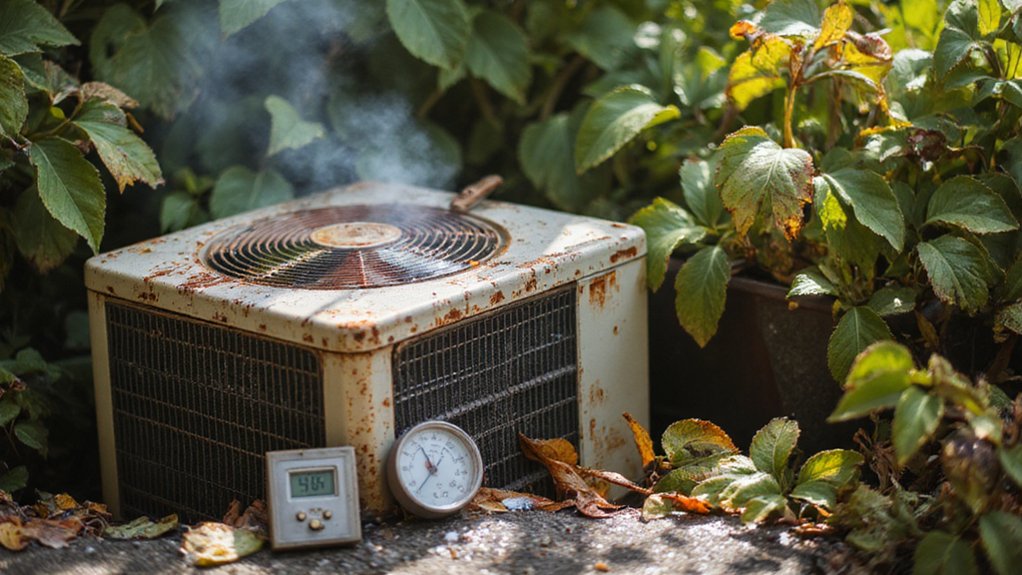
When your HVAC system starts behaving differently, it’s easy to reach for a quick fix. Maybe you reset the thermostat, replace the filter, or adjust a setting and hope the problem goes away.
Sometimes that works for a short while. But recurring problems usually have a deeper cause.
Inconsistent temperatures, higher energy bills, strange noises, frequent cycling, and unusual odors can all point to issues that need a closer look. Leaving these signs unchecked can make the problem harder and more expensive to address later.
Knowing what these warning signs mean can help you decide when a simple maintenance task is enough and when it’s time to call a professional.
Key Takeaways
- Uneven temperatures can point to thermostat, airflow, insulation, or equipment problems.
- Unexpected increases in energy bills may indicate that your HVAC system is working harder than it should.
- Grinding, rattling, hissing, and other unusual sounds can signal mechanical or airflow problems.
- Unusual odors may indicate moisture, electrical problems, or other issues that need professional attention.
- Frequent breakdowns or repeated repairs can be a sign that the system needs a more thorough inspection.
- Simple maintenance can help, but recurring problems often require professional diagnosis and repair.
Top Signs Your HVAC Needs Repair
HVAC problems don’t always start with a complete breakdown. In many cases, the system gives you smaller warnings first.
One of the most noticeable signs is inconsistent temperature. If some rooms feel comfortable while others stay too warm or cold, something may be affecting airflow, temperature control, or the equipment itself.
Higher energy bills can also be a clue. A sudden increase isn’t always caused by the HVAC system, but if your usage hasn’t changed and your bills keep climbing, it’s worth having the system checked.
Moisture around the indoor unit is another warning sign. Water can be linked to a blocked condensate drain, a frozen coil, or another problem that needs attention.
A thermostat that isn’t responding correctly can also affect how the system operates. If changing the temperature doesn’t produce the expected result, the thermostat or another part of the system may be at fault.
Regular filter changes and routine maintenance can help prevent some problems. They can’t fix every issue, though. When the same problem keeps coming back, a professional inspection can help identify what’s actually causing it.
Unusual Noises: What They Indicate
An HVAC system makes some normal operating sounds, but a new or persistent noise shouldn’t be ignored.
The type of sound can offer a clue about what may be happening inside the system. The timing can also help a technician understand when the problem occurs.
Types of Noises Explained
A grinding noise can indicate a problem with a motor, compressor, or another moving component. Continued operation with a damaged component can sometimes lead to more extensive damage.
Hissing may be related to escaping air, ductwork problems, or a refrigerant issue. Refrigerant concerns should be handled by a qualified HVAC professional.
Rattling can come from loose components, debris, or other parts moving inside or around the equipment.
Clicking sounds can have several causes. A thermostat, electrical component, or control issue may be involved, especially if the clicking continues after the system starts.
Gurgling can sometimes be associated with drainage or refrigerant-related problems.
These sounds don’t always identify a specific fault on their own. A technician needs to inspect the system to determine the actual cause.
When the Noise Happens Matters
Pay attention to when the unusual sound occurs.
A noise that appears only when the system starts may point to a starting or electrical component. A sound that continues while the system runs may involve a fan, motor, compressor, or airflow problem.
Changes in weather can also affect how an HVAC system operates, but recurring noises shouldn’t be dismissed simply because they appear during seasonal changes.
Try to note what the sound resembles, when you hear it, and whether it happens during startup, operation, or shutdown. That information can help a technician narrow down the problem.
If a new noise becomes louder or happens more frequently, having the system inspected is safer than repeatedly resetting it and hoping the sound disappears.
Inconsistent Temperatures: A Hidden Problem
A home that never seems to reach an even temperature can be frustrating. It can also be a sign that your HVAC system isn’t operating as it should.
Hot and cold spots may have several causes, including thermostat problems, blocked vents, ductwork issues, inadequate insulation, or equipment problems.
Common Causes of Temperature Fluctuations
A thermostat that’s incorrectly calibrated or positioned in an unsuitable location may not accurately represent the temperature throughout your home.
Insulation can also affect comfort. If conditioned air escapes through poorly insulated areas, certain rooms may become harder to cool or heat.
Blocked or restricted vents can reduce airflow into individual rooms. Ductwork leaks or damage can create similar problems by allowing conditioned air to escape before it reaches its intended destination.
The size and condition of the HVAC equipment matter, too. A system that isn’t properly matched to the home may struggle to maintain consistent temperatures.
A professional inspection can help separate a thermostat issue from a ductwork, insulation, airflow, or equipment problem.
How Temperature Problems Affect Energy Bills
When an HVAC system struggles to maintain the temperature you set, it may run longer or more frequently.
That extra operating time can increase energy use. If the problem continues for months, the added cost can become noticeable on your utility bills.
A sudden increase in energy use doesn’t automatically mean your HVAC system needs repair. Weather, utility rates, changes in household use, and other factors can affect your bill.
Still, rising bills combined with uneven temperatures, weak airflow, or longer run times are worth investigating.
Fixing the underlying problem may help the system operate normally again and reduce unnecessary energy use.
Rising Energy Bills: Time to Investigate?
An unexpected increase in energy costs can be frustrating, especially when your daily habits haven’t changed.
Your HVAC system is one possible reason. Dirty filters, restricted airflow, refrigerant problems, worn components, and other issues can make the equipment work harder.
Start with simple checks. Make sure the air filter isn’t clogged and that supply and return vents aren’t blocked.
If those checks don’t explain the change, a professional inspection may be useful. A technician can examine the equipment and identify problems that aren’t visible from the outside.
Don’t assume that a higher energy bill automatically means you need a new system. The cause could be a repairable problem, and proper diagnosis should come before making a replacement decision.
Frequent Cycling: What Causes Short-Cycling?
An HVAC system should cycle on and off based on the temperature and operating conditions in your home. If it starts and stops repeatedly within short periods, something may be wrong.
This behavior is known as short-cycling.
A malfunctioning thermostat can send incorrect signals to the system. Restricted airflow from a dirty filter can also create operating problems.
Equipment sizing may be another factor. A system that’s too large for the space can reach the thermostat setting quickly and shut down before completing a normal cycle.
Other mechanical or electrical problems can cause similar behavior.
Frequent cycling shouldn’t be treated as a minor inconvenience. Repeated starts and stops can place extra stress on system components and may affect comfort and energy use.
If changing the filter doesn’t resolve the issue, have the system inspected rather than repeatedly resetting it.
Foul Odors From Your HVAC: What They Mean
Unusual odors are another reason to pay attention to your HVAC system.
A musty smell may be associated with moisture or biological growth in parts of the system. Persistent odors can also come from dirty components, standing water, or other conditions that need inspection.
A burning smell deserves immediate attention. It may be related to an overheating component or an electrical problem.
If you smell gas or an odor similar to rotten eggs in a home with gas equipment, leave the area and follow your local gas safety procedures. Contact the appropriate emergency service or gas provider before attempting to investigate the source yourself.
Not every unusual smell means there’s an emergency, but persistent or strong odors shouldn’t be ignored.
A qualified HVAC technician can inspect the system and determine whether the odor is coming from the equipment, ductwork, drainage system, or another source.
Temporary Fixes vs. Professional HVAC Repair
A temporary fix can sometimes restore basic operation, but it doesn’t necessarily address why the problem occurred.
Replacing a clogged filter is a good example of a simple homeowner task. If the system returns to normal afterward, the filter may have been the issue.
But if the system continues to short-cycle, produces unusual sounds, or struggles to cool or heat the home, changing the filter isn’t enough.
Repeatedly resetting a thermostat can also mask a problem without solving it.
The same applies to adding refrigerant without finding out why the refrigerant level is low. If there’s a leak, the system may lose refrigerant again.
Professional AC repair focuses on identifying the underlying cause. That can help prevent the same issue from returning and gives you a clearer picture of the condition of the system.
When Repeated Repairs Need a Closer Look
One repair doesn’t necessarily mean your HVAC system is nearing the end of its service life.
Repeated breakdowns are different. If you’re calling for HVAC repairs several times a year or replacing multiple components, it’s worth looking at the system as a whole.
Age, maintenance history, operating conditions, and the cost of continued repairs all matter.
Ask the technician to explain what is failing and whether other components show signs of wear. An HVAC contractor can inspect the equipment and explain whether continued repairs or replacement makes more sense. You can then compare the cost of another repair with the potential cost of replacing the system.
A full assessment can be more useful than continuing to fix individual symptoms without considering the condition of the equipment as a whole.
Frequently Asked Questions
How Often Should I Schedule HVAC Maintenance?
Many homeowners schedule HVAC maintenance twice a year, often before the periods when heating or cooling will be used most heavily.
The right schedule can depend on your equipment, climate, usage, and manufacturer’s recommendations. Regular inspections can help identify worn or dirty components before they affect system operation.
Can I Perform HVAC Repairs Myself?
Some basic maintenance tasks are suitable for homeowners. Replacing an air filter, keeping vents clear, and checking thermostat settings are examples.
HVAC repairs involving refrigerant, electrical components, gas equipment, or complex mechanical parts are different. These jobs can involve safety risks and should be handled by a qualified professional.
If you’re unsure about the cause of a problem, avoid taking apart the equipment just to investigate it yourself.
What Are the Benefits of Professional HVAC Repair?
Professional repair can address the cause of an HVAC problem instead of only treating the symptom.
A technician can test components, identify faults, and determine whether a repair is appropriate. Proper repairs may also help restore normal airflow, temperature control, and system operation.
Getting the problem diagnosed early can also help you avoid additional damage caused by continued operation with a faulty component.
How Long Can I Expect HVAC Repairs to Last?
There’s no fixed number of years that applies to every HVAC repair.
The lifespan of a repair depends on the component, the condition and age of the equipment, the cause of the original problem, and how well the system is maintained.
For example, replacing a worn component can restore operation, but an older system with several aging parts may continue to develop new problems.
Ask your technician what was repaired, why it failed, and whether other parts of the system show signs of wear.
Is It Worth Upgrading My Old HVAC System?
An older HVAC system doesn’t automatically need to be replaced.
Replacement may be worth considering when the equipment requires frequent repairs, has major component failures, operates poorly, or has reached the later part of its expected service life.
Compare the cost of continued repairs with the cost of a new system. An HVAC professional can inspect the equipment and explain the available options so you can make a decision based on its actual condition.
Conclusion
Unusual noises, uneven temperatures, rising energy bills, frequent cycling, moisture, and foul odors can all be signs that your HVAC system needs attention.
A quick fix may solve a minor maintenance issue, but recurring symptoms usually deserve a closer look. Repeatedly resetting the system or treating the same symptom without finding the cause can leave the underlying problem unresolved.
Start with simple maintenance where appropriate, such as replacing a dirty filter or clearing blocked vents. If the problem continues, professional HVAC repair can help identify what is actually going wrong.
Taking action when the warning signs first appear can help protect your home’s comfort and prevent a small issue from becoming a much larger repair.