

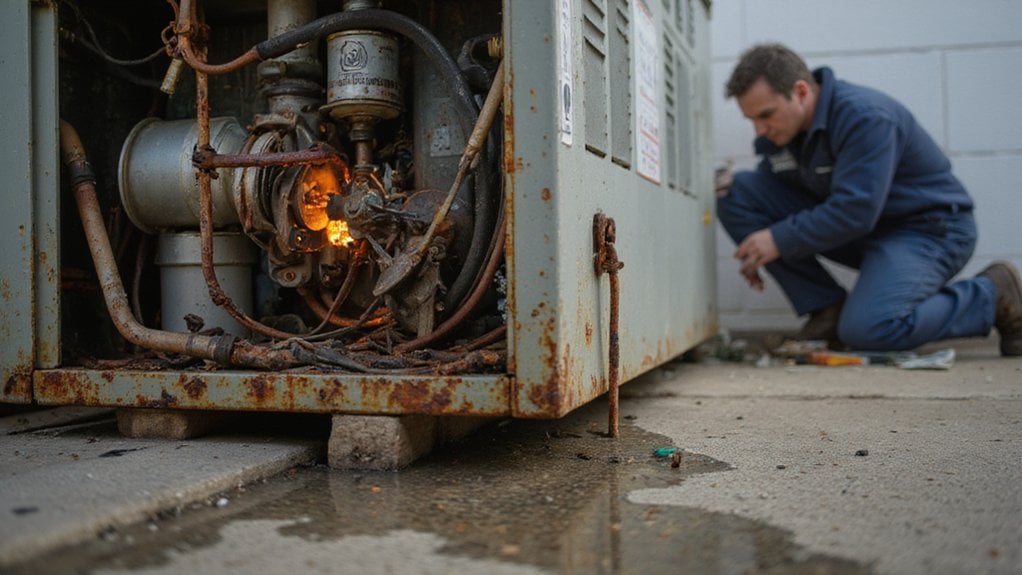
When your cooling system stops working properly, the problem can affect more than your comfort. A struggling air conditioner may run longer than usual, leave some rooms warm, or cause your energy bills to climb. Problems such as refrigerant leaks, compressor trouble, and electrical faults can also become more serious when they’re left unchecked.
Knowing the warning signs can help you decide when it’s time to call for HVAC repair. Some issues are easy to spot, while others may only become clear when the system starts behaving differently. A little attention early on can help prevent a small fault from turning into a larger repair.
Key Takeaways
- Refrigerant leaks can reduce cooling performance and may cause additional damage if they aren’t addressed.
- An overheating compressor can affect the entire cooling system and may eventually cause the unit to stop working.
- Electrical problems, including faulty wiring and damaged capacitors, can prevent an air conditioner from operating safely.
- Strange noises, uneven temperatures, and changes in system performance can point to an underlying HVAC problem.
- A sudden increase in energy bills may be a sign that your cooling system isn’t working as it should.
- Professional HVAC repair can help identify the source of a problem before it becomes more difficult or expensive to fix.
Common HVAC Cooling System Failures
A cooling system can develop problems for several reasons. Some are connected to normal wear, while others can develop because of poor airflow, electrical faults, refrigerant problems, or a lack of routine maintenance.
One common issue is a refrigerant leak. Refrigerant plays a central role in the cooling process. When the system loses refrigerant, it may struggle to remove heat from your home. You might notice that the air coming from the vents isn’t as cool as it used to be, even though the system continues to run.
A refrigerant leak can also make the system work harder and for longer periods. That can increase energy use and place extra strain on other components. If the leak isn’t repaired, the problem may eventually affect the compressor.
Compressor problems are another serious concern. The compressor is one of the main components in an air conditioning system, and it can be affected by overheating, electrical problems, restricted airflow, or other faults. When the compressor isn’t working correctly, the system may produce little or no cool air.
In some cases, the unit may start and stop repeatedly. You might also hear unusual sounds coming from the outdoor unit. Because compressor problems can involve several parts of the system, it’s usually best to have a trained HVAC technician inspect the unit rather than trying to diagnose the problem yourself.
Routine maintenance can help identify worn or damaged components before they cause a complete breakdown. Regular filter changes, inspections, and cleaning can also help the system operate under less strain.
Main Causes of Air Conditioning Breakdowns
Air conditioning systems are built to handle regular use, but no system lasts forever without wear. Several problems can cause an unexpected breakdown, especially during periods when the unit is running for long hours.
Refrigerant leaks are one possible cause. Low refrigerant can make it difficult for the system to cool the air properly. If your air conditioner runs continuously but your home still feels warm, there may be an issue with the refrigerant level or another part of the cooling cycle.
Another common cause is electrical failure. Air conditioners rely on several electrical components to start, run, and control the system. Faulty wiring, damaged capacitors, loose connections, and tripped breakers can all interfere with normal operation.
A faulty capacitor, for example, may prevent the motor or compressor from starting correctly. You may hear the outdoor unit humming without the system actually beginning its cooling cycle. Electrical problems can also create safety risks, so they aren’t a good fit for DIY repair unless you’re trained to work on HVAC electrical systems.
Restricted airflow can cause trouble, too. A dirty air filter can make it harder for air to move through the system. Blocked vents, dirty coils, or problems with the ductwork can create similar symptoms. When airflow is limited, the system may have to run longer to reach the temperature set on the thermostat.
Routine HVAC maintenance gives a technician an opportunity to check these areas and spot developing problems. It can also help you catch changes in system performance before you’re left without cooling on a hot day.
When these problems affect cooling performance or prevent the system from operating properly, professional air conditioning repair may be needed
How to Identify HVAC Issues Early?
You don’t need to be an HVAC professional to notice that something isn’t right with your cooling system. Changes in the way the unit sounds, feels, or operates can provide useful warning signs.
Start with the temperature inside your home. If one room feels noticeably warmer than another, there may be an airflow problem, a thermostat issue, or another fault affecting the system. Uneven cooling doesn’t always mean the air conditioner itself has failed, but it shouldn’t be ignored if the problem continues.
Listen for unusual noises. Rattling may point to a loose component, while buzzing, grinding, or repeated clicking can indicate a mechanical or electrical issue. A hissing sound may also be associated with a refrigerant leak, although a technician will need to inspect the system to determine the actual cause.
Keep an eye on your energy bills as well. A sudden increase in electricity use without a change in your normal cooling habits can sometimes indicate that the system is working harder than it should.
Your air filter is another simple thing to check. A clogged filter can restrict airflow and place extra strain on the equipment. Depending on the type of filter and conditions in your home, it may need to be replaced or cleaned regularly.
Changes in indoor humidity can also be a warning sign. If your home suddenly feels damp even when the air conditioner is running, the system may not be removing moisture properly.
Unpleasant smells deserve attention, too. Musty odors may be linked to moisture or buildup, while burning smells can point to an electrical or mechanical problem. If you notice a burning smell, switch the system off and arrange for professional inspection.
Benefits of Timely HVAC Repairs
Putting off an HVAC repair can make an existing problem harder to deal with. A small fault may affect other components if the system continues to operate under strain.
Getting a problem checked early can help prevent further damage. For example, a refrigerant leak that goes unnoticed can continue to affect cooling performance and place additional stress on the system. An electrical fault may also cause repeated shutdowns or damage to other components.
Timely repairs can help your cooling system return to normal operation without unnecessary strain. When the system doesn’t have to work harder than needed, it may use less energy during regular operation.
There’s also the comfort factor. A system that struggles to maintain the thermostat setting can leave certain parts of your home too warm or too humid. Addressing the underlying fault can help restore more consistent indoor temperatures.
Regular repairs and maintenance can also help extend the working life of HVAC equipment. No repair can guarantee that an older system will last indefinitely, but keeping components in good condition can help reduce avoidable wear.
If a problem keeps returning, it’s worth asking the technician why. Replacing a single part may solve the immediate issue, but repeated failures can sometimes point to a larger problem with the system.
Selecting Your HVAC Technician
When choosing an HVAC contractor, check their licensing, insurance, training, and experience with your type of cooling system
Choosing the right HVAC technician matters when your cooling system needs repair. Start by checking whether the technician is properly licensed for the work required in your area. Licensing rules can vary depending on where you live and the type of HVAC work being performed.
Training and certifications can also provide useful information. NATE, or North American Technician Excellence, is one certification program used in the HVAC field. A technician’s training should match the type of repair your system needs.
Experience with your type of equipment is worth asking about, too. Different systems can have different controls, components, and repair requirements. A technician who regularly works with similar equipment may already be familiar with common faults and diagnostic procedures.
Before scheduling the repair, ask what the service includes. You can also ask whether diagnostic fees, replacement parts, labor, or follow-up visits are covered by the quoted price.
Customer reviews and references may give you an idea of other customers’ experiences. Look for comments about communication, punctuality, workmanship, and whether the technician explained the repair clearly.
Make sure the technician has appropriate insurance as well. This can help protect both you and the contractor if an accident or property damage occurs during the work.
Frequently Asked Questions
How Often Should I Schedule HVAC Maintenance?
For many homes, scheduling HVAC maintenance twice a year is a common approach. A spring visit can prepare a cooling system for warmer weather, while another inspection before colder weather can address heating equipment.
Your system, climate, usage, and equipment age may affect how often service is needed. Follow the manufacturer’s maintenance recommendations and ask your HVAC technician whether your system needs more frequent attention.
What Are the Signs My System Needs Replacement?
Age alone doesn’t always mean an HVAC system needs to be replaced. Still, older equipment may become more difficult or expensive to repair as components wear out.
Frequent breakdowns, inconsistent cooling, rising energy use, and major component failures can all be reasons to discuss replacement options with a qualified technician. If your system is around 10 to 15 years old and performance has declined, ask for an assessment before deciding what to do.
Can I Perform DIY Repairs on My HVAC?
Some basic maintenance tasks are suitable for homeowners. Replacing an air filter, keeping outdoor equipment clear of debris, and checking that vents aren’t blocked are examples.
More complex repairs are different. Refrigerant work, electrical repairs, compressor problems, and other internal faults can involve safety risks and specialized equipment. These jobs are better handled by a trained HVAC professional.
If you’re unsure what is causing the problem, avoid opening the equipment or attempting a repair without knowing what you’re dealing with.
How Does Humidity Affect My Cooling System?
Your air conditioner does more than lower the temperature. It also removes moisture from indoor air as part of the cooling process.
When humidity is high, your home can feel warmer even when the thermostat shows a comfortable temperature. If the system isn’t removing enough moisture, it may run for long periods without making the space feel comfortable.
Persistent humidity can have several possible causes, including equipment problems, airflow restrictions, or an oversized system. A technician can inspect the unit and determine what is causing the issue.
What Warranties Are Typically Offered for HVAC Repairs?
Repair warranties vary by contractor, manufacturer, part, and type of work. Some replacement parts may have their own manufacturer’s warranty, while labor may be covered separately by the HVAC company.
Before approving a repair, ask how long the warranty lasts and exactly what it covers. Find out whether the warranty applies to parts, labor, or both. It’s also useful to ask whether there are conditions that could void the coverage.
Having these details in writing can make it easier to understand what happens if the same component develops a problem later.
Conclusion
Cooling system problems can start with small changes, such as uneven temperatures, strange sounds, weak airflow, or higher energy bills. Refrigerant leaks, compressor trouble, electrical faults, and restricted airflow are some of the issues that can affect air conditioner performance.
Paying attention to these signs can help you arrange an inspection before the system stops working altogether. Simple maintenance, such as replacing clogged filters and keeping outdoor equipment clear, can also support normal operation.
When a repair involves refrigerant, electrical components, compressors, or other internal parts, a qualified HVAC technician can diagnose the problem and determine the appropriate repair. Taking care of issues as they appear can help keep your home comfortable and reduce the chance of an unexpected cooling breakdown.