


When your AC system starts acting up, it can be tempting to grab a few tools and try to fix the problem yourself. Some issues are simple enough to handle at home, such as replacing a dirty air filter or checking the thermostat. Other problems are more complicated and can become costly if they’re handled incorrectly.
Unusual noises, uneven cooling, rising energy bills, repeated breaker trips, and refrigerant problems can all point to an issue that needs professional attention. Knowing where to draw the line between a simple DIY fix and a professional repair can help protect your system and your safety.
Key Takeaways
- Unusual noises and inconsistent cooling can point to problems that need professional diagnosis.
- Electrical faults and refrigerant leaks can create safety concerns and should be handled by trained technicians.
- Professional maintenance can help keep an AC system running well and extend its service life.
- A wrong DIY diagnosis can turn a small repair into a more expensive problem.
- Specialized tools and training are often needed for complex AC repairs.
Signs Your AC Needs Professional Repair Services
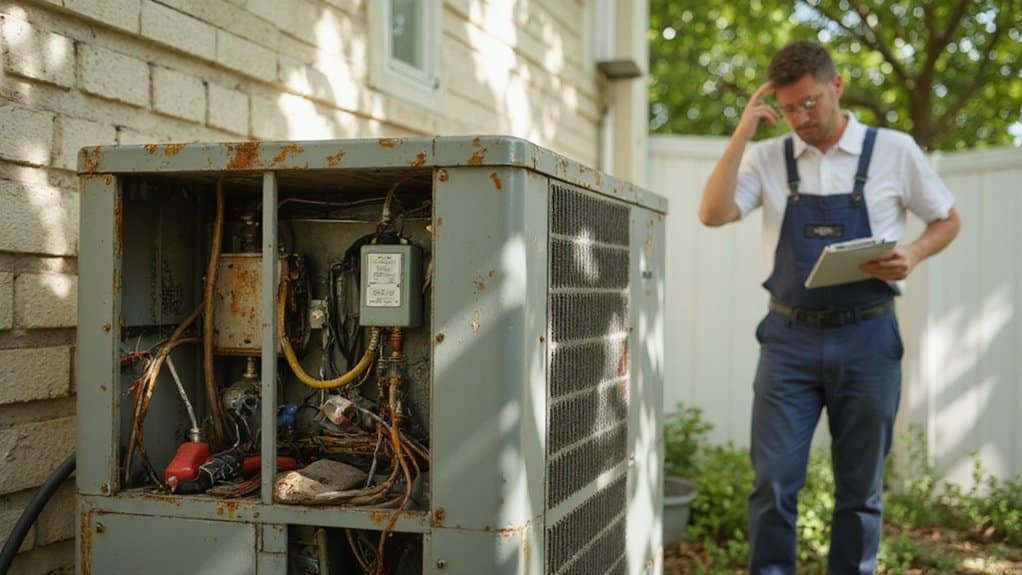
When your air conditioning system starts behaving differently, pay attention to the changes. Unusual sounds, uneven cooling, weak airflow, and higher energy bills can all be signs that something isn’t working as it should.
Some problems are easy to spot, while others aren’t. A system might still produce cool air even when a component is beginning to fail. That’s why recurring symptoms shouldn’t be ignored.
Repair costs are also worth considering. A quick inspection from a qualified technician can help determine whether the problem is something that can be repaired or whether the unit may be nearing the end of its service life.
Leaving warning signs unattended can put more strain on the system. If the same issue keeps coming back, professional diagnosis is usually a better choice than repeatedly trying different DIY fixes.
When Simple Fixes Aren’t Enough for Your AC
Not every AC problem requires a service call. Replacing an air filter, checking thermostat settings, or making sure vents aren’t blocked are reasonable steps for many homeowners.
The situation changes when those simple checks don’t solve the problem. Compressor trouble, electrical faults, refrigerant leaks, and problems with internal components can require tools and knowledge that most homeowners don’t have.
Knowing when to stop troubleshooting yourself can prevent more damage and make the repair easier to manage.
If your home uses a heat pump rather than a traditional AC system, problems that go beyond basic maintenance may require heat pump repair from a qualified technician.
Complex Mechanical Issues
Simple tasks such as changing the air filter or checking the thermostat can take care of some minor problems. More involved mechanical faults are a different matter.
A failing compressor, for example, can affect the entire cooling cycle. Airflow restrictions may also come from problems deeper within the ductwork or other parts of the system. Sensor faults and control board problems can cause unusual behavior that isn’t easy to diagnose from the outside.
Refrigerant charging is another task that shouldn’t be approached casually. Working with refrigerant requires the right equipment and knowledge of the system.
Coils also need proper care. Dirt buildup can restrict heat transfer and make the AC work harder than it should.
When several symptoms appear at once, guessing at the cause can make things worse. A trained technician can inspect the system and determine which component is actually causing the problem.
Electrical System Failures
Electrical problems deserve extra caution. If your AC repeatedly trips a breaker, struggles to start, or suddenly loses power, there may be an issue with the wiring, capacitor, fuse, control board, or another electrical component.
Trying to repair these parts without the right knowledge can expose you to electrical hazards. It can also damage components that were working properly.
A thermostat that stops communicating with the system may look like a simple control problem, but it can sometimes be connected to a larger electrical fault.
If a breaker keeps tripping or the system shows repeated electrical symptoms, turn the unit off and have it inspected by a qualified professional. A proper diagnosis is safer than repeatedly resetting the system and hoping the problem disappears.
Refrigerant Leaks Detection
A refrigerant leak can be harder to identify than a clogged filter or faulty thermostat. Reduced cooling, longer run times, and hissing sounds can sometimes point to a leak, but these symptoms can have other causes too.
Refrigerant levels matter because the system needs the correct charge to cool properly. A low charge can put extra stress on the compressor and affect overall performance.
Finding a leak isn’t simply a matter of looking for a puddle. Refrigerant can escape from small openings that aren’t easy to see. Technicians may use specialized detection equipment, including electronic leak detectors or ultraviolet dye methods.
Refrigerant handling also requires proper procedures and equipment. If you suspect a leak, professional service is the safer option. A technician can locate the source, address the problem, and handle the refrigerant correctly.
Common DIY AC Repair Mistakes to Avoid
DIY AC repairs can save money when you’re dealing with a simple task. Problems start when a homeowner moves beyond basic maintenance without knowing exactly what’s wrong.
One common mistake is overlooking the air filter. A dirty filter can restrict airflow and make the system work harder. Replacing or cleaning the filter, depending on the type, is usually a straightforward maintenance task.
Another mistake is guessing at the cause of a problem. For example, replacing one component because the AC isn’t cooling may not solve anything if the real issue is elsewhere.
Electrical repairs are another area where caution matters. Working around live electrical components without the right training can lead to injury or damage to the equipment.
Before attempting a repair, make sure you understand the problem and know what the task involves. If you’re unsure, stop and get professional help rather than turning a small issue into a larger one.
Understanding Complex AC Issues
Some AC problems aren’t obvious from the outside. A system may continue running while an internal component is wearing out, or several symptoms may appear at the same time.
Understanding what you can safely check yourself and what requires professional attention can help you avoid unnecessary repairs.
Identifying Technical Problems
Start with the simple checks. Look at the air filter, confirm the thermostat is set correctly, and make sure vents aren’t blocked. These steps can help rule out a few common causes of poor cooling.
Pay attention to what happens when the system runs. Does it make a new sound? Does one room stay warm while others cool normally? Has the system started running for much longer than usual?
These details can help a technician identify the problem.
Some faults are more difficult to trace. Refrigerant issues, electrical failures, sensor problems, and faults involving internal controls may require diagnostic equipment.
If basic troubleshooting doesn’t reveal the cause, it’s better to stop rather than replace parts based on guesswork. Professional technicians can test the system and determine what actually needs attention.
Assessing Equipment Safety
Before working on an AC system, look for obvious signs of damage. Frayed wires, damaged electrical connections, unusual leaks, or visible wear can indicate that the unit isn’t safe to work on.
Proper grounding and safe electrical connections also matter. If you see something that looks damaged or unfamiliar, don’t take apart the system just to investigate.
Regular maintenance can help identify wear before it develops into a larger problem. A professional inspection is also useful when you’re unsure whether a component is safe to handle.
AC systems contain electrical parts, moving components, and refrigerant. Each requires appropriate handling. When you’re uncertain about a safety issue, professional service is the safer route.
Why Safety Matters in AC Repairs?
AC repairs aren’t just about getting the system to cool again. Safety needs to be part of the decision whenever you’re working around electricity, moving parts, or refrigerant.
Before starting any repair, consider the hazards involved. Electrical faults can cause shocks or fires, while refrigerant can create health and equipment concerns when handled incorrectly.
Personal protective equipment, such as gloves and eye protection, can provide added protection for certain tasks. Still, protective gear doesn’t replace proper training.
Knowing how the system works also matters. Removing or adjusting the wrong component can create another problem or damage the equipment.
If a repair involves electrical components, refrigerant, internal controls, or parts you don’t understand, it’s best to leave the work to a trained technician. A professional can assess the system without putting you at unnecessary risk.
Why Specialized Tools Matter for AC Repair
Some AC problems can’t be diagnosed accurately with basic household tools. Professional technicians use equipment designed to test specific parts of an air conditioning system.
Diagnostic tools can help identify electrical faults, refrigerant problems, airflow issues, and other conditions that aren’t obvious during a visual inspection.
The tools are only part of the equation. Technicians also need training to understand the readings and determine what they mean for the system.
Without the right equipment, it’s easy to replace a part that isn’t actually faulty. That can waste money while leaving the original problem unresolved.
Professional service can be especially useful when a problem involves the compressor, electrical system, refrigerant circuit, or internal controls. These repairs require more than trial and error.
How to Choose the Right AC Service Provider
Choosing an AC service provider starts with checking their track record. Read customer reviews and look for recurring comments about communication, punctuality, workmanship, and how problems were handled.
Ask about service warranties before approving a repair. A written warranty can clarify what is covered if the same issue returns after the work is completed.
It’s also worth checking whether the technician has the required licenses and certifications for the work being performed. Certifications such as NATE or EPA credentials can be useful indicators of training in specific areas of AC service.
Don’t hesitate to ask what the technician found, what needs to be repaired, and how much the work is expected to cost. Clear answers make it easier to understand what you’re paying for.
What to Expect From Professional AC Services
A professional AC service visit usually begins with an inspection of the system. The technician may check the filter, coils, airflow, electrical components, thermostat, refrigerant levels, and other parts depending on the symptoms.
The goal isn’t simply to replace a part and leave. A good diagnosis looks for the cause of the problem so the repair addresses the actual fault.
You should also receive an explanation of what the technician found. If repairs are needed, ask for a clear estimate before work begins.
Professional maintenance can also uncover worn or dirty components before they cause a breakdown. Keeping the system in good condition can help it operate properly and may reduce unnecessary strain.
The exact service will depend on your AC system and the problem you’re experiencing. A thorough inspection gives you a clearer picture of what needs to be done.
If your existing system is reaching the end of its service life, a professional can also help you determine whether heat pump installation is a suitable replacement option.
Frequently Asked Questions
How Much Do Professional AC Repair Services Typically Cost?
Professional AC repair services can vary widely in price. Labor rates, the type of repair, the AC system, replacement parts, and the complexity of the problem all affect the final cost.
The best way to understand the expected price is to request a written estimate before approving the work. Comparing quotes can also help you understand whether the proposed repair is reasonably priced.
Can I Void My Warranty With DIY Repairs?
DIY repairs may affect your warranty coverage, depending on the manufacturer’s terms and the type of work performed.
Before making a repair yourself, check your warranty documents. Some manufacturers may require certain service or repairs to be performed by qualified professionals.
If you’re unsure whether a DIY repair could affect your coverage, check the warranty terms before opening the system or replacing components.
How Often Should I Schedule Professional AC Maintenance?
Professional AC maintenance is commonly scheduled twice a year, often before the main cooling and heating seasons.
Regular inspections can help identify dirty components, worn parts, airflow problems, and other concerns before they lead to a breakdown.
Your system, climate, usage, and manufacturer’s recommendations can affect the right maintenance schedule, so check the guidance for your specific unit.
What Certifications Should I Look for in an AC Technician?
NATE certification can indicate training and testing in areas related to HVAC service. EPA certification is also relevant for technicians who work with regulated refrigerants.
When hiring a technician, ask about their certifications and experience with your type of AC system. You can also verify credentials where applicable.
Are There Seasonal Considerations for Hiring AC Professionals?
Timing can matter when scheduling AC service. Summer is often a busy period because cooling systems are working harder and more homeowners need repairs.
Scheduling maintenance before the hottest part of the year can give you a chance to address problems before demand for repairs increases.
A pre-season inspection can also help identify issues before the system has to run for long periods in hot weather.
Conclusion
Knowing when to stop a DIY AC repair can save you from a bigger problem later. Simple tasks such as changing a filter or checking thermostat settings are reasonable for many homeowners. Problems involving electrical components, refrigerant, compressors, or internal controls are different.
If your AC makes unusual noises, struggles to cool evenly, trips breakers, or shows signs of a refrigerant problem, professional service is worth considering. Trained technicians have the tools and knowledge to diagnose these faults and repair them safely.
A careful approach can protect both your AC system and your household. When a repair goes beyond basic maintenance, knowing when to call a professional can make a real difference.