

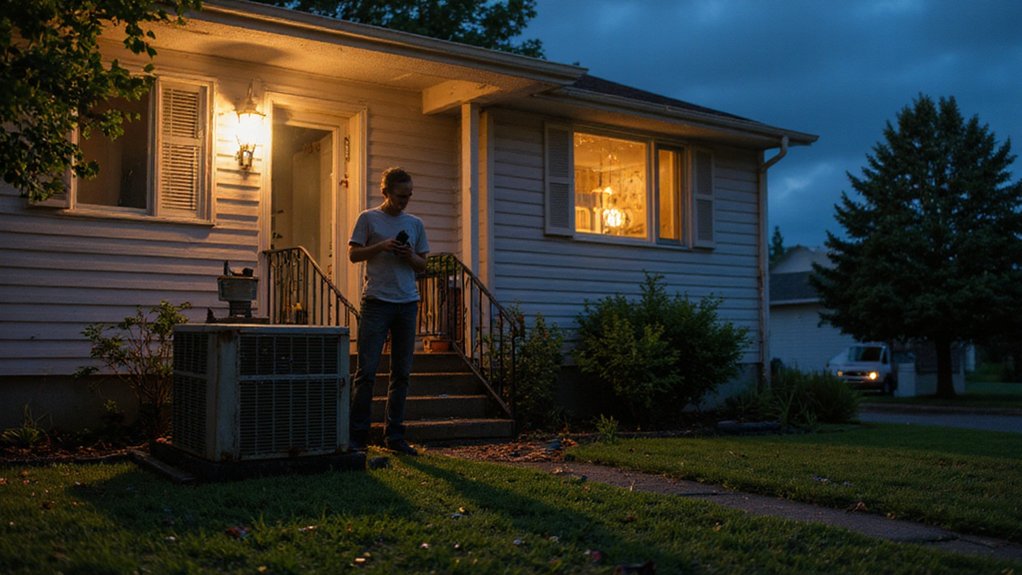
When your AC stops working after regular business hours, knowing who to call can save you time and stress. A broken air conditioner can quickly become uncomfortable, especially during hot weather. Finding an emergency AC repair service that offers 24/7 assistance can help you get the problem checked without waiting until the next business day.
But not every repair company offers the same level of service. You need a technician who is properly licensed, experienced with your type of AC system, and available when you need help. Understanding what to look for can make it easier to choose the right person during an unexpected breakdown.
Key Takeaways
- Contact a licensed emergency AC repair company that provides after-hours service.
- Check customer reviews and ask about average response times.
- Make sure the technician has experience with your specific AC model.
- Request clear pricing and a repair estimate before work begins.
- Choose a company with a clear emergency response process and good communication.
Why You Shouldn’t Ignore an AC Breakdown
When your air conditioner stops working, delaying repairs can make the problem worse. A small fault may develop into a more expensive repair if the system continues to operate with a damaged component.
High indoor temperatures can also make everyday activities uncomfortable. Sleeping, cooking, working, and looking after children become harder when your home isn’t cooling properly.
Heat can also pose health concerns, especially for infants, older adults, and people who are more sensitive to high temperatures. Prolonged exposure to excessive heat can lead to dehydration and heat-related illness.
Calling an AC technician as soon as you notice a problem helps you understand what’s wrong and what needs attention. If the breakdown happens at night or during a holiday, an emergency repair service can help you avoid waiting until normal business hours.
Common Reasons Your AC Stops Working at Night
An air conditioner can stop working at any time, including late at night when you depend on it for a comfortable night’s sleep.
Electrical faults and neglected maintenance are two common reasons behind AC problems. Knowing what might be causing the issue can help you explain the symptoms when speaking with a technician.
Electrical Problems That Affect AC Performance
Electrical faults can cause an air conditioner to shut down without warning. Power surges, damaged wiring, loose connections, and tripped circuit breakers can all interrupt normal operation.
If your AC suddenly stops running, check whether other electrical appliances are working. You can also look at the circuit breaker to see if it has tripped.
Avoid opening the electrical panel or attempting repairs yourself. Air conditioning systems contain electrical components that can cause serious injury if handled incorrectly.
A licensed AC technician can inspect the electrical connections, identify the fault, and determine whether a repair or component replacement is needed.
Leaving an electrical problem unattended can put additional strain on the system. Getting it checked early can help prevent further damage.
Poor Maintenance and Worn-Out Components
Skipping routine AC maintenance can increase the chances of an unexpected breakdown.
Air filters collect dust over time. When they become clogged, airflow is restricted, forcing the system to work harder to cool your home. Dirty coils can also affect cooling performance and contribute to overheating.
Other problems may develop when worn components go unnoticed. Low refrigerant levels, unusual compressor sounds, and water drainage issues can all affect how your AC operates.
Pay attention to warning signs such as:
- Weak airflow from the vents.
- Unusual sounds while the AC is running.
- Water leaking around the indoor unit.
- Cooling that takes longer than usual.
- Frequent system shutdowns.
Regular inspections help identify these problems before they turn into an emergency. Following the manufacturer’s maintenance recommendations can also help keep your AC in good working condition.
Choosing an Emergency AC Repair Company
When your AC breaks down outside regular business hours, you may feel pressured to call the first company you find. Taking a few minutes to check their background can help you avoid poor service or unnecessary repair costs.
Look at their qualifications, availability, pricing, and customer feedback before making a decision.
Check Licensing and Technician Qualifications
Before booking an emergency repair, make sure the company has the required local licences and permits.
Ask whether the technician has relevant HVAC training and certifications. Credentials such as EPA certification and NATE certification may be relevant, depending on your location and the type of work involved.
It’s also worth checking whether the technician has worked with your AC brand and model. Different systems have different components, controls, and repair requirements.
Ask for proof of qualifications if you’re unsure. You should also confirm that the company carries liability insurance.
These checks help you choose someone who can inspect and repair your system safely.
Find Out How Quickly They Can Arrive
Response time matters when your AC stops working during extremely hot weather.
Some emergency repair companies offer around-the-clock service, while others only take calls after hours and schedule the actual repair for the following day.
Before confirming a visit, ask:
- Is a technician available right now?
- How long will it take for someone to arrive?
- Do you charge extra for late-night visits?
- Can you handle repairs on weekends and public holidays?
Ask for an estimated arrival time rather than assuming someone will arrive immediately.
A company that communicates clearly about its availability can make an uncomfortable situation easier to manage.
Ask About Repair Warranties and Service Guarantees
Before agreeing to any repair, find out what protection the company offers.
Ask whether the repair comes with a warranty covering replacement parts and labour. The coverage period and conditions may differ depending on the company and the type of repair.
You can also ask what happens if the same problem returns shortly after the technician completes the work.
Some companies offer follow-up visits or service guarantees. Get the terms in writing so you know what is covered and whether additional charges apply.
What Makes an Emergency AC Technician Worth Calling?
Finding someone who answers the phone isn’t enough. You also want a technician who communicates clearly, understands your system, and takes the time to explain the problem.
A few qualities can help you judge whether you’re dealing with the right person.
Clear communication: The technician should listen to your concerns, ask about the symptoms, and explain what needs to be checked. You should be able to understand the repair options without dealing with confusing technical language.
Good customer feedback: Read reviews from previous customers. Pay attention to comments about punctuality, workmanship, pricing, and after-hours support.
Proper licensing and insurance: A qualified technician should be able to provide details about their credentials and insurance coverage.
Experience with different AC systems: Someone familiar with your type of air conditioner may be better prepared to identify the fault and recommend suitable repairs.
Honest pricing: The technician should explain inspection charges, emergency call-out fees, and expected repair costs before starting the work.
These qualities can help you feel more comfortable about allowing someone to work on your home’s cooling system.
What Happens When You Call for Emergency AC Repair?
Knowing what to expect during an emergency service call can make the situation less stressful.
When you contact the repair company, explain what happened and when you first noticed the problem. Mention whether the AC stopped suddenly, started making unusual noises, or began blowing warm air.
The company may ask a few questions to understand the issue and decide what equipment or parts the technician might need.
Once the technician arrives, the visit will usually involve an inspection and system diagnosis. They may check the thermostat, electrical connections, filters, refrigerant levels, and other components, depending on the symptoms.
After identifying the fault, the technician should explain the problem and discuss the available repair options.
You should also receive an estimate covering the expected costs. If a replacement part needs to be ordered, ask how long it may take and whether the system can be operated safely in the meantime.
Before the technician leaves, ask them to explain the work completed and any maintenance steps you should follow.
Simple Ways to Prevent Another AC Emergency
You can’t prevent every air conditioner breakdown, but regular care can reduce the chances of unexpected problems.
Start by checking your air filters. Depending on the filter type, usage, and indoor conditions, they may need cleaning or replacement every month or according to the manufacturer’s instructions.
Arrange routine inspections with a qualified AC technician. During a maintenance visit, they can check the coils, electrical connections, refrigerant levels, drainage, and other system components.
Keep the outdoor unit free from leaves, dust, and other debris. Make sure there is enough open space around it for proper airflow.
It’s also worth checking your thermostat settings from time to time. Incorrect settings or faulty thermostat readings can affect cooling performance.
Don’t ignore small changes in how your AC operates. Strange noises, weak airflow, water leaks, and uneven cooling may indicate a problem that needs attention.
Taking care of these issues early can reduce the chances of dealing with a breakdown late at night or during a weekend.
Questions to Ask Before Hiring an Emergency AC Technician
When speaking with an emergency AC technician, asking a few direct questions can help you understand the service you’re paying for.
Here are some questions worth asking during the call.
Are you licensed and certified to repair my AC system?
Ask about the technician’s training, qualifications, and experience with your particular AC brand and model.
Do you provide emergency repairs outside regular business hours?
Confirm whether the company offers actual repair visits at night, on weekends, and during public holidays.
How do you diagnose the problem?
Ask what the inspection involves and whether diagnostic charges are included in the emergency call-out fee.
Will I receive a repair estimate before work begins?
The company should explain the expected costs and get your approval before carrying out additional work.
Do your repairs come with a warranty?
Find out whether parts and labour are covered, how long the warranty lasts, and what conditions apply.
Can I contact you if the same problem happens again?
Ask about follow-up visits and the process for reporting an issue after the repair.
Clear answers to these questions can help you understand the service and avoid unexpected charges.
Understanding the Cost of Emergency AC Repairs
Emergency AC repairs can cost more than standard service visits. The final amount depends on the time of the call, the type of fault, the parts required, and the amount of labour involved.
Some companies charge a fixed after-hours call-out fee. Others may charge an hourly rate or add an emergency service fee to the regular repair cost.
You may also have to pay a separate diagnostic fee for inspecting the system and identifying the problem.
Before confirming the visit, ask the company to explain its pricing structure. Find out whether the inspection fee will be deducted from the final repair bill if you decide to proceed.
Request a written estimate that includes:
- Emergency call-out charges.
- Inspection and diagnostic fees.
- Labour costs.
- Replacement part costs.
- Any additional service charges.
It’s worth comparing estimates from different companies when possible. Just remember that the lowest price doesn’t always mean the repair is the right one.
Choose a technician who explains the charges clearly and gives you enough information to make a decision.
Frequently Asked Questions
What Should I Do Before the Technician Arrives?
Start by checking your thermostat settings and making sure the AC is set to the correct cooling mode. You can also check the circuit breaker and inspect the air filter.
If you notice burning smells, sparks, or unusual electrical sounds, switch off the system if you can do so safely and keep away from the electrical components. Don’t attempt to open the unit or repair its wiring.
Are Emergency AC Repairs More Expensive Than Regular Services?
Yes, emergency repairs often cost more because technicians may charge extra for working at night, on weekends, or during public holidays.
The final price also depends on the type of repair and whether replacement parts are needed. Ask about after-hours charges before confirming your appointment.
Can I Try to Fix My AC Myself?
You can handle a few simple checks, such as adjusting the thermostat, checking the air filter, and looking at the circuit breaker.
Avoid working on electrical connections, refrigerant lines, or internal components. These repairs should be handled by a qualified technician.
If the system still isn’t working after basic checks, arrange a professional inspection.
How Long Does an Emergency AC Repair Usually Take?
The repair time depends on what’s causing the breakdown.
Simple issues may take an hour or two to fix. More complicated faults can take several hours, especially if the technician needs to replace a component or order a part that isn’t available.
Ask the technician for an estimated completion time after the inspection.
Do Emergency AC Repairs Come With a Warranty?
Many repair companies offer warranties on parts and labour, but the terms vary.
Before approving the repair, ask how long the coverage lasts and what it includes. Make sure you receive the warranty details in writing.
Conclusion
An AC breakdown outside regular business hours can be stressful, especially when temperatures are high and you need your home to stay cool. Calling an emergency AC repair company can help you get the problem inspected without waiting until the next business day.
Before hiring a technician, check their licensing, experience, response time, and pricing. Ask about repair warranties and make sure you understand the costs before work begins.
Keeping up with regular AC maintenance can also help prevent unexpected problems. A little attention throughout the year can reduce the chances of facing another late-night breakdown when you need your air conditioner most.