

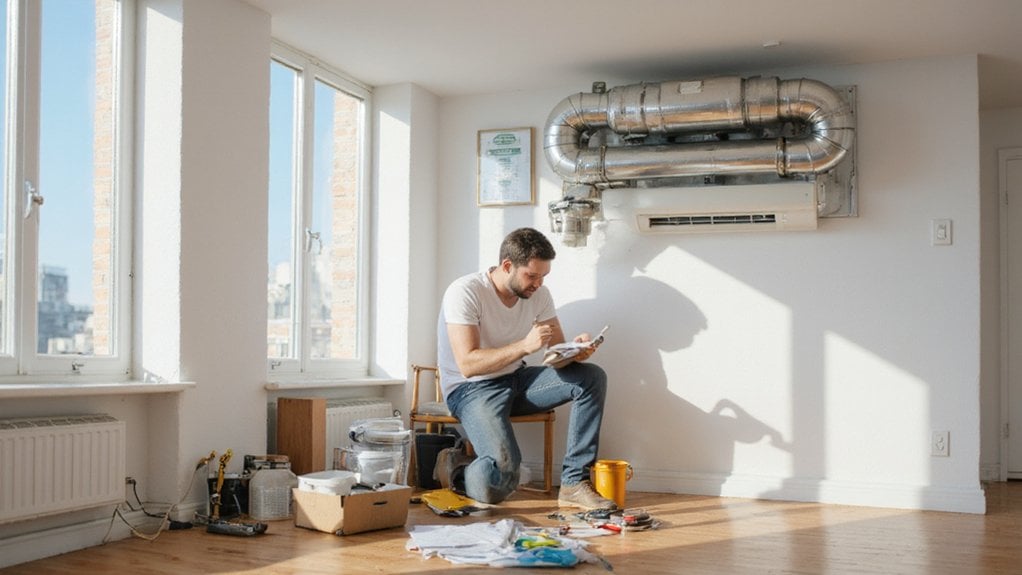
When planning to install a new central air conditioning system, several factors can affect the total cost. Your home’s size, insulation, and cooling requirements all play a part in choosing the right system. The energy efficiency rating also matters, as it can influence both the purchase price and your monthly electricity bills.
Installation requirements can add to the expense, too. Existing ductwork, the layout of your home, local labor rates, and any necessary upgrades may affect the final price. Understanding these costs before starting the project can help you plan your budget and avoid unexpected expenses.
Key Takeaways
- Home size and insulation quality affect the AC capacity needed and the overall installation cost.
- Higher SEER ratings and Energy Star certification can improve energy efficiency and may qualify for rebates.
- Installation requirements, including ductwork upgrades and smart technology, can increase labor costs.
- Local labor rates vary depending on the location and demand for HVAC technicians.
- Permit fees, new ductwork, and other additional expenses should be included in your installation budget.
How Home Size and Insulation Affect Air Conditioning Costs
The size of your home is one of the main factors that determines the cost of a new central air conditioning system. Your home’s square footage helps determine how much cooling capacity the system needs. Larger homes usually require more powerful equipment to maintain comfortable indoor temperatures, which can increase the initial purchase and installation costs.
Insulation also affects how well your AC system performs. Homes with poor insulation can lose cooled air more quickly, forcing the system to run longer to maintain the desired temperature. This can lead to higher energy bills and additional wear on the equipment over time.
Before choosing a system, consider both your home’s size and insulation condition. A professional HVAC assessment can help determine the appropriate cooling capacity and identify areas that may need attention.
Choosing the right system can help balance initial installation costs with long-term energy use while keeping your home comfortable.
Energy Efficiency Ratings and Their Effect on Long-Term Costs
The energy efficiency rating of your air conditioner can affect both its purchase price and running costs. One rating to look at is the Seasonal Energy Efficiency Ratio (SEER), which measures how efficiently an AC system operates during a typical cooling season.
A higher SEER rating generally means the system uses less electricity to provide the same amount of cooling. This can help reduce your monthly electricity bills, especially if you run your air conditioner regularly.
You may also want to look for models with Energy Star certification. These systems meet energy performance requirements set by the U.S. Environmental Protection Agency. Depending on your location and the available programs, qualifying models may also be eligible for rebates or other incentives.
When comparing AC systems, look beyond the purchase price. Consider the SEER rating, estimated energy use, and any available rebates. A more energy-efficient model may cost more initially, but the lower running costs could make a difference over the system’s lifetime.
Installation Complexity and Its Effect on AC Costs
The cost of a central air conditioning system depends on more than the equipment itself. The work required to install it can also affect your total expenses.
Some homes are straightforward to work on, while others require additional preparation. The layout of your property, access to installation areas, and condition of the existing ductwork can all affect the time and labor involved.
For example, damaged or poorly designed ducts may need repairs or replacement before the new system can operate properly. Installing a multi-zone system can also require additional equipment and more installation work.
System features may add to the cost as well. AC units with smart controls and advanced technology can require specific wiring, configuration, or specialist knowledge.
The more work involved, the longer the installation may take. This can increase labor charges and the overall project cost.
Ask your HVAC contractor to inspect the property before providing a final estimate. A detailed assessment can help identify extra work before installation begins.
Local Labor Rates and Their Effect on Installation Expenses
Labor costs can vary depending on where you live. The availability of qualified HVAC technicians, local demand, and the amount of work involved can all affect the price of installing a central air conditioning system.
In areas with plenty of HVAC contractors, homeowners may have more options when comparing installation quotes. In places where skilled technicians are harder to find, labor charges may be higher.
Local building requirements can also affect installation expenses. Certain areas may have specific rules for electrical connections, equipment placement, or ductwork. Meeting these requirements may involve additional work or specialist services.
When planning your budget, request quotes from several HVAC contractors in your area. Compare what each estimate includes, such as equipment, labor, installation materials, and any additional work.
A lower quote may not cover the same services as a more detailed estimate. Reviewing each one carefully can help you understand what you’re paying for and avoid unexpected charges later.
Extra Expenses for Permits and Ductwork
Permits and ductwork are two additional expenses that homeowners should consider when planning a central AC installation.
Depending on local building requirements, you may need an installation permit before work can begin. Permit fees vary by location and are usually based on the type of work being carried out. These permits help ensure that the installation follows applicable building and safety codes.
Your existing ductwork can also affect the total cost. If the ducts are damaged, leaking, poorly sized, or unsuitable for the new system, repairs or replacement may be necessary.
New ductwork involves both material and labor expenses. The final price can depend on the size of your home, the number of ducts required, and how easily technicians can access the installation areas.
If your project includes electrical changes or other system upgrades, those expenses should also be included in your budget.
Ask your contractor whether permit fees, ductwork repairs, and other required work are included in the estimate. Having these details in writing can help you understand the full installation cost before the project starts.
Frequently Asked Questions
How Long Does the Installation Process Typically Take?
Installing a central air conditioning system can take anywhere from a few hours to a full day. The exact time depends on the system size, the layout of your home, and the condition of your existing ductwork. Projects that require duct replacement or additional electrical work may take longer.
What Warranties Are Available for New AC Systems?
New AC systems typically come with limited manufacturer warranties. Some homeowners also have the option of purchasing an extended warranty. Coverage periods often range from 5 to 10 years, depending on the manufacturer, equipment, and warranty terms. Check what parts and repairs are covered before purchasing a system.
Can I Install an AC System Myself?
Installing a central AC system yourself is not recommended unless you have the required technical training and qualifications. The work may involve electrical connections, refrigerant handling, and compliance with local building codes. Hiring a qualified HVAC professional helps ensure the system is installed safely and operates as intended.
How Do Seasonal Promotions Affect Installation Costs?
Some HVAC contractors and manufacturers offer seasonal discounts or promotional deals on air conditioning systems. These offers may reduce equipment prices or installation charges. Before choosing a promotion, check what it covers and whether additional fees apply.
What Maintenance Is Required After Installation?
Regular maintenance helps keep your central air conditioning system working properly. Homeowners should replace or clean air filters as recommended, keep outdoor units free from leaves and debris, and arrange periodic professional inspections.
A technician can check refrigerant levels, inspect electrical components, clean system parts, and look for potential problems. Regular maintenance can help reduce unnecessary wear, maintain cooling performance, and extend the system’s service life.
Conclusion
Installing a new central air conditioning system involves more than choosing an AC unit and paying for the equipment. Your home’s size, insulation, energy efficiency requirements, and installation conditions all influence the final cost.
Local labor rates, permit fees, and ductwork repairs can add to your budget, so it’s worth accounting for these expenses before work begins. Compare estimates from qualified HVAC contractors and make sure each quote covers the same equipment and services.
Taking the time to understand these costs can help you choose a system that suits your home, keeps indoor temperatures comfortable, and fits your budget over the long term.