

Choosing between a heat pump and central AC can feel confusing, especially when both systems can keep your home cool during hot weather. The bigger difference is what each system can do beyond cooling, how much energy it uses, and how well it fits your local climate.
A heat pump can cool your home in summer and provide heat during colder months. Central AC, on the other hand, is built mainly for cooling. Your decision may also come down to installation costs, existing ductwork, electricity rates, maintenance, and how often you need heating throughout the year.
Looking at these factors together can make the choice much easier.
Key Takeaways
- Heat pumps provide both heating and cooling, making them useful for year-round temperature control, especially in moderate climates.
- Central AC is designed mainly for cooling and can distribute cool air throughout a home through an existing duct system.
- Heat pumps can cost more to install, but their ability to provide both heating and cooling may reduce the need for separate equipment.
- Energy use varies by system, model, climate, home insulation, and how often the equipment runs.
- Your local weather matters. Heat pumps can work well in areas with moderate temperatures, while central AC can be a practical choice in places where cooling is the main concern.
Heat Pumps vs. Central AC: Which Is Right for You?
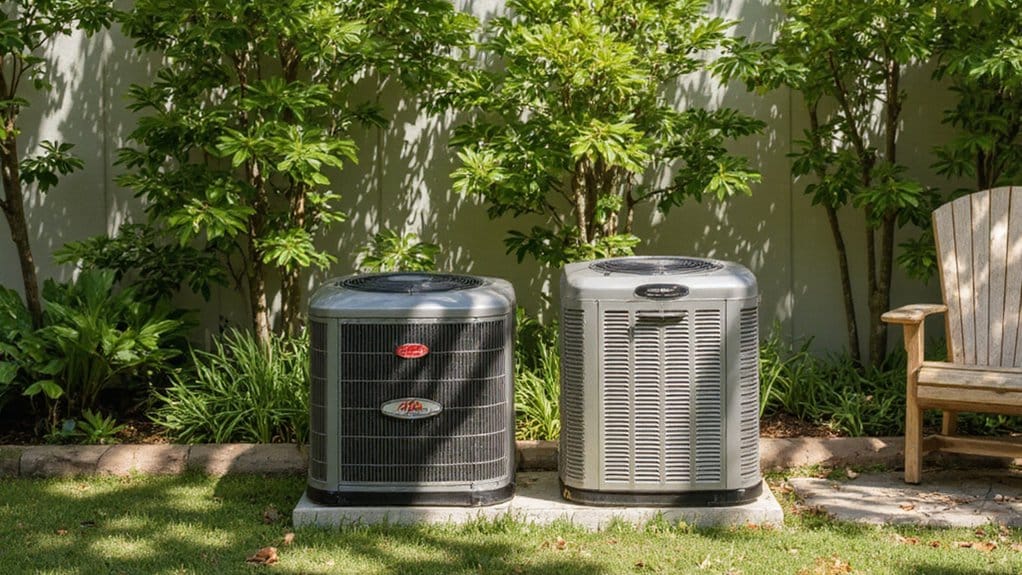
When deciding between a heat pump and central air conditioning, start by looking at how you use your home’s heating and cooling system.
A heat pump can handle both jobs. In summer, it moves heat from inside your home to the outdoors. When winter arrives, the system can reverse that process and bring heat indoors. That means one system can serve both purposes throughout the year.
Central AC has a more focused job. It removes heat from indoor air and sends that heat outdoors, leaving cooler air to circulate through your home. If you already have a separate heating system and mainly need cooling, central AC may fit your setup well.
Your existing equipment also matters. A home with usable ductwork may need fewer changes during a central AC installation. A heat pump can sometimes work with the same type of duct system, depending on the equipment and home.
Think about your climate, heating needs, electricity costs, budget, and the condition of your current HVAC equipment before making a decision.
What Is a Heat Pump and How Does It Work?
A heat pump is a heating and cooling system that moves heat from one place to another. Instead of creating heat directly, it uses refrigerant and mechanical components to transfer heat.
During summer, the system removes heat from your indoor air and releases it outdoors. During winter, the direction of heat transfer can be reversed so the system brings heat inside.
This gives heat pumps a useful advantage for homeowners who want one system to handle both heating and cooling.
Heat Pump Components Explained
A heat pump uses several components to move heat through the system. The compressor, condenser, expansion valve, and evaporator all have specific jobs during the heating and cooling cycle.
The compressor moves refrigerant through the system and raises its pressure. The refrigerant then travels through other parts of the system, where heat is absorbed or released.
The expansion valve controls the flow of refrigerant and helps lower its pressure. The evaporator absorbs heat, while the condenser releases heat.
The exact operation depends on the type of heat pump. Air-source heat pumps move heat between your home and the outdoor air. Ground-source systems exchange heat with the ground.
Knowing what these parts do can help you understand why regular maintenance matters and how the system provides heating and cooling from the same equipment.
How Heat Pumps Operate
Many people think of heat pumps as heating equipment, but they can also cool your home.
In cooling mode, the system pulls heat from indoor air and transfers it outdoors. The refrigerant moves through the system as this process takes place, while the blower sends cooled air back through the home.
When the system switches to heating mode, the direction of heat transfer changes. Heat from the outdoor environment is moved indoors. The system can continue this cycle as needed to maintain the temperature set on your thermostat.
Because a heat pump moves heat rather than producing it directly, it can use less electricity for heating than some conventional electric heating systems. Actual energy use still depends on the equipment, outdoor temperature, home insulation, thermostat settings, and other factors.
Benefits Of Heat Pumps
One of the biggest advantages of a heat pump is that it can provide both heating and cooling. You don’t need separate equipment for each job when the system is properly sized and suited to the home.
Heat pumps can also use less electricity than some conventional heating systems because they transfer heat rather than create it through electric resistance.
Another benefit is year-round operation. The same system can cool your home during summer and heat it during winter.
Modern heat pumps are available in different configurations, so homeowners may have options based on the home’s layout and existing HVAC setup. Some systems can also be paired with smart thermostats for easier temperature control.
Noise levels vary by model and installation, so it’s worth checking the equipment specifications before choosing a system.
How Does Central Air Conditioning Function?
Central air conditioning cools your home by removing heat from indoor air and releasing that heat outside.
The system uses refrigerant to absorb heat from air passing over the indoor evaporator coil. A blower then moves the cooled air through the home’s ductwork and into individual rooms.
Meanwhile, the compressor and outdoor condenser help release the collected heat outside. The refrigerant then continues through the system so the cooling cycle can repeat.
Ductwork plays a major role in how evenly a central AC system cools a home. Leaks, poor insulation, blocked vents, or an improperly sized system can affect airflow and comfort.
Regular filter changes and professional service can help keep the system operating as intended.
How Heat Pumps and Central AC Differ in Cooling Mechanisms
When both systems are operating in cooling mode, heat pumps and central AC units work in similar ways. Both use refrigerant to remove heat from indoor air and release it outdoors.
The major difference becomes clear when heating is needed.
A heat pump can reverse its refrigeration cycle and provide heat indoors. Central AC cannot do this because it is designed for cooling. A home using central AC will normally need a separate heating system, such as a furnace or boiler.
Heat pumps may also have different installation requirements depending on the type of system being installed. Air-source heat pumps generally use an outdoor unit, while ground-source systems require underground components.
Central AC may be a simpler choice when a home already has compatible ductwork and a separate heating system.
The right option depends less on one system being universally better and more on how each one fits your home.
Comparing Energy Efficiency: Heat Pumps vs. Central AC
Energy use is worth looking at when comparing these systems, but equipment ratings don’t tell the whole story.
Your home’s insulation, ductwork, thermostat settings, outdoor temperatures, system size, and maintenance all affect how much electricity the equipment uses.
Seasonal Energy Efficiency Ratings
Seasonal Energy Efficiency Ratio, commonly called SEER, measures the cooling performance of an air conditioning or heat pump system over a typical cooling season.
A higher SEER rating generally means the system can provide the same amount of cooling while using less electricity under the conditions used for the rating.
When comparing two systems, look at their ratings alongside the purchase price and expected usage. A system with a higher rating may cost more initially, so the potential reduction in electricity use should be weighed against that difference.
Also remember that the rating applies to the equipment under specified testing conditions. Real-world performance can vary depending on installation, climate, ductwork, maintenance, and how the system is operated.
Operational Cost Comparison
Running costs depend on more than the type of equipment.
A heat pump may have an advantage when it replaces both a cooling system and a separate heating system. During mild or moderate weather, it can provide heating without relying on a separate fuel-burning system.
Central AC can have predictable cooling costs, especially when paired with an existing heating system. If cooling is only needed for part of the year, installing central AC may make sense for a homeowner who already has suitable heating equipment.
Electricity rates also matter. The cost of running either system will vary based on local utility prices and how much cooling or heating your home requires.
Rather than focusing only on the purchase price, look at expected electricity use, maintenance, equipment lifespan, and the cost of any heating equipment that may be needed alongside central AC.
Environmental Impact Analysis
Energy use also affects the environmental footprint of a cooling system.
A heat pump can use less electricity for heating than electric resistance heating because it transfers heat instead of creating heat directly. Its environmental impact will still depend on the source of the electricity used to operate it.
Central AC only provides cooling, so a separate heating system is needed when temperatures drop. The overall environmental impact of the home’s HVAC setup will depend on both systems and the energy sources they use.
Refrigerant choice matters as well. Newer HVAC equipment may use refrigerants with lower global warming potential than older systems. When replacing equipment, ask about the refrigerant used and the current requirements that apply in your area.
Installation Costs of Each System
Installation prices can vary widely based on equipment size, home layout, ductwork, electrical work, labor rates, and the condition of the existing HVAC system.
The original estimates in this draft place heat pump installation between $3,500 and $7,500 and central AC installation between $3,000 and $5,500. Actual prices can be higher or lower depending on the project.
A heat pump may require additional work when replacing an older heating and cooling setup. If the system is replacing both an AC unit and a heating system, the total project cost should be compared with the cost of installing separate equipment.
Central AC may have a lower installation cost when compatible ductwork and heating equipment are already in place.
Before choosing either system, get a detailed estimate that includes equipment, labor, electrical work, duct modifications, permits, and removal of old equipment when applicable.
Rebates or tax incentives may also be available for certain heat pump installations. Availability depends on your location, equipment, household circumstances, and current programs.
Maintenance Requirements for Heat Pumps and Central AC
Both systems need routine care to keep airflow and cooling performance on track.
Heat pumps operate in both heating and cooling seasons, so they may run for more months of the year than a cooling-only AC system. That makes regular inspections and filter changes especially useful.
Central AC also benefits from seasonal service, especially before the cooling season begins.
Routine Maintenance Tasks
Start with the air filter. A dirty filter can restrict airflow and make the system work harder. Check the filter regularly and replace it based on the manufacturer’s instructions and the conditions inside your home.
Outdoor units should be kept clear of leaves, grass, dirt, and other debris. Good airflow around the outdoor coil helps the system release heat.
Coils should also be kept clean. Thermostat settings and operation should be checked if the system isn’t maintaining the temperature you expect.
For systems with ductwork, inspections can identify leaks, damaged insulation, or airflow problems.
Refrigerant work should be left to a qualified HVAC professional. If refrigerant levels are low, the cause should be identified rather than simply adding more refrigerant.
Repair and Service Needs
Heat pump repair needs depend on the age of the system, installation quality, usage, weather conditions, and routine maintenance.
Heat pumps have components that allow them to operate in both heating and cooling modes, so there are additional parts involved compared with a cooling-only system.
Central AC systems can also develop problems with compressors, capacitors, coils, fans, thermostats, refrigerant, or electrical components.
Older equipment may require repairs more often as parts wear out. At some point, repeated repair bills may make replacement worth considering.
Regular service can help identify worn components before they cause a larger problem, but no HVAC system is maintenance-free.
Seasonal Preparation Steps
Before the cooling season begins, have the system checked if it hasn’t been serviced recently.
A technician can inspect electrical connections, coils, refrigerant levels, airflow, and other components. This can help identify problems before the system is needed on the hottest days of the year.
For a heat pump, the heating season is also worth preparing for. Since the system may operate throughout much of the year, checking its condition before major seasonal changes can be helpful.
Homeowners should also replace or clean filters as needed and keep the outdoor unit free of debris.
Small maintenance tasks done regularly can help keep airflow and temperature control consistent.
Climate Considerations: Best Systems for Different Areas
Your local climate should play a major role in the decision.
Heat pumps can be a good fit in areas with moderate winter temperatures because they can provide both heating and cooling. They can also work in colder areas when the right equipment is selected and the system is properly designed.
Central AC may make more sense in regions where heating needs are limited or where a home already has a separate heating system.
Humidity is another factor. Air conditioning removes some moisture from indoor air as part of the cooling process. Heat pumps also provide this type of dehumidification while operating in cooling mode.
In very hot weather, the performance of any cooling system depends on proper sizing, installation, maintenance, and equipment ratings. Rather than assuming one system is better for every hot climate, consider the actual weather conditions where you live.
Your home’s insulation, windows, ductwork, and air leakage also affect comfort. Even a well-rated HVAC system can struggle if the building loses a large amount of conditioned air.
How Does Each System Impact Indoor Comfort?
The HVAC system you choose can affect more than the temperature shown on your thermostat.
Heat pumps can provide steady heating and cooling when properly sized for the home. Their ability to operate in both directions also means the same equipment can manage indoor temperatures throughout the year.
Central AC can cool a home quickly when properly sized and installed. The duct system then distributes cooled air through the rooms.
Humidity control matters too. Both systems can remove moisture while cooling, though the amount of moisture removed depends on factors such as indoor humidity, equipment size, runtime, and thermostat settings.
Oversized AC equipment can cool a space quickly but may not run long enough to remove as much moisture as a properly sized system. This can leave the home feeling cool but damp.
Good ductwork, adequate insulation, and proper system sizing can make a noticeable difference regardless of which system you choose.
Evaluating Long-Term Running Costs: Heat Pumps vs. Central AC
Looking at long-term costs means going beyond the installation price.
A heat pump can provide heating and cooling from one system, which may reduce the need for separate equipment. Its heating performance and electricity use will depend heavily on outdoor temperatures and the specific model.
Central AC only handles cooling, so the cost of heating must be considered separately. If your home already has a furnace or another heating system in good condition, adding central AC may be a straightforward option.
Electricity prices, climate, thermostat settings, insulation, maintenance, and equipment age all affect annual running costs.
The lifespan of the equipment matters as well. A system that costs less to install isn’t necessarily less expensive over many years if it uses more energy or needs frequent repairs.
When comparing options, ask an HVAC professional for estimated annual operating costs based on your home’s size, local weather, energy prices, and proposed equipment. That gives you a more useful comparison than looking at the purchase price alone.
Frequently Asked Questions
Can Heat Pumps Also Provide Heating in Winter?
Yes. Heat pumps can provide heating during winter by reversing the direction of heat transfer. They take heat from the outdoor environment and move it indoors.
How well a heat pump performs in winter depends on the model, outdoor temperature, home insulation, and system design. Cold-climate heat pumps are made for lower outdoor temperatures and may be worth considering in colder regions.
What Is the Lifespan of a Heat Pump Versus Central AC?
A heat pump may last around 15 to 20 years, while central AC systems often last around 12 to 15 years. Actual lifespan varies.
Installation, climate, operating hours, maintenance, equipment quality, and how the system is used can all affect how long it lasts.
Are There Tax Incentives for Installing Heat Pumps?
Tax incentives and rebates may be available for certain heat pump installations. The rules vary by location and can change over time.
Before counting an incentive toward your budget, check the current requirements and confirm that the equipment and installation qualify.
How Noisy Are Heat Pumps Compared to Central AC Units?
Noise levels vary by equipment model, installation, outdoor unit location, and system condition.
Modern heat pumps and central AC systems can both operate relatively quietly when properly installed. If noise is a concern, ask about the unit’s published sound rating and consider where the outdoor equipment will be placed.
Can I Install a Heat Pump in an Older Home?
Yes, a heat pump can be installed in many older homes.
The condition of the home’s electrical system, ductwork, insulation, windows, and existing HVAC equipment should be checked before installation. Some homes may need electrical or duct modifications.
A professional load calculation can also help determine the appropriate system size rather than choosing equipment based only on the home’s square footage.
Conclusion
Choosing between a heat pump and central AC comes down to how you use your home, the climate where you live, your existing HVAC equipment, and your budget.
A heat pump can provide both heating and cooling, making it useful for homeowners who want one system to handle temperature control throughout the year. Central AC is focused on cooling and can work well when a home already has a separate heating system.
Installation price is only one part of the decision. Consider electricity use, maintenance, expected lifespan, ductwork, heating needs, and available rebates or incentives.
The best choice is the system that fits your home’s conditions and your day-to-day needs. A professional HVAC assessment can help you compare equipment sizes, installation requirements, and expected operating costs before you commit to either option.