

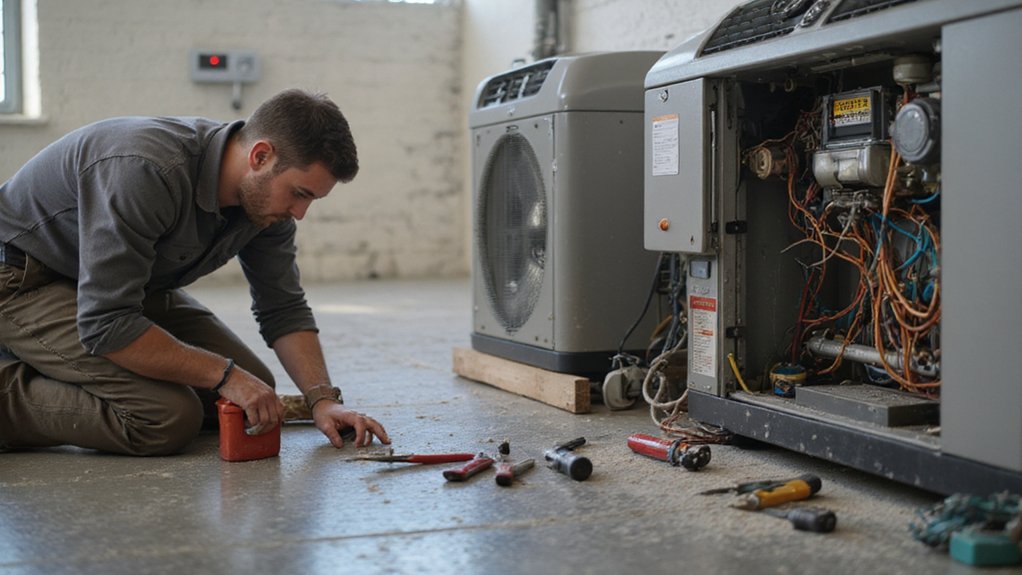
When your air conditioner starts acting up, it is not always easy to decide what to do next. Some issues seem small at first, like weak airflow or a strange sound that comes and goes. Others feel more urgent, like warm air blowing on a hot day. The real challenge is knowing when a quick fix at home is enough and when it is time to bring in a trained technician.
Catching problems early can save money, prevent bigger damage, and keep your home comfortable. This guide walks you through the signs to watch for, what they usually mean, and how to handle them without guesswork.
Key Takeaways
- Call a professional if your AC is not cooling properly or takes too long to reach the set temperature.
- Unusual noises like grinding or squealing often point to internal damage.
- Odd smells can signal electrical trouble or mold inside the unit.
- A sudden increase in energy bills may mean your system is working harder than it should.
- Electrical parts and refrigerants are not safe to handle without proper training.
Signs Your AC Might Need Repair

Air conditioners usually give clear warning signs before something serious happens. The trick is paying attention before the issue grows.
One of the most common problems is weak or uneven cooling. If some rooms feel warm while others are cold, or if the system runs longer than usual, something is off. It could be a clogged filter, low refrigerant, or a failing component inside the unit.
Sounds are another clue. A healthy AC should run quietly in the background. If you start hearing grinding, banging, or high-pitched squealing, it is worth taking seriously. These noises often point to loose parts, motor trouble, or wear that needs attention.
Smells should never be ignored either. A musty odor may mean mold inside the system or ducts. A burning or electrical smell can signal wiring problems. Both situations need a closer look from someone trained to handle them safely.
Keep an eye on your energy bills too. If your usage habits have not changed but your bill suddenly goes up, your AC might be working harder than it should. That extra strain often comes from hidden issues that get worse over time.
If your system suddenly stops working during extreme heat, it may require emergency AC repair to restore comfort quickly.
Getting Familiar With How Your AC Works
You do not need to be an expert to understand the basics of your air conditioner. A little knowledge goes a long way when something feels off.
Most systems, whether central, split, or window units, follow the same basic process used in an air conditioning system. They pull warm air from inside your home, cool it using refrigerant, and send it back through your vents. When any part of that cycle struggles, you start to notice changes in comfort.
Knowing the main components can help you spot problems early. The compressor moves refrigerant through the system. The evaporator coil cools the air. The condenser releases heat outside. If one of these parts is not doing its job, the entire system feels the impact.
You may also notice when your system is not running as smoothly as before. Maybe it cycles on and off more often, or takes longer to cool a room. These small changes are often the first hint that something needs attention.
Being aware of how your unit usually performs makes it easier to tell when something is wrong. That awareness helps you decide whether it is a simple fix or time to call for help.
Why DIY Repairs Can Backfire
It is tempting to try fixing AC problems on your own. Online videos make it look simple, and small issues like changing a filter are easy enough. But once you go beyond basic maintenance, things can get risky.
Air conditioners involve electrical systems and pressurized refrigerants. Both can be dangerous if handled without proper tools and training. A simple mistake could lead to injury or damage to the unit.
There is also the risk of making the problem worse. What starts as a minor issue could turn into a major repair if parts are handled incorrectly. In some cases, the system might stop working altogether.
Another point to consider is your warranty. Many manufacturers require professional servicing to keep the warranty valid. If you attempt repairs yourself, you might lose coverage and end up paying more later.
Trying to save money in the short term can lead to higher costs down the line. Calling a professional at the right time often prevents bigger problems and keeps your system running as it should.
How Regular Maintenance Helps Avoid Bigger Problems
Routine maintenance is one of the simplest ways to keep your AC in good shape. It does not take much, but it makes a noticeable difference over time.
Regular checkups allow small issues to be spotted early. A technician can catch things like worn parts, refrigerant leaks, or airflow problems before they turn into expensive repairs. Fixing these early is usually quicker and less costly.
Clean filters and coils also help your system run more smoothly. When airflow is not blocked, your AC does not have to work as hard to cool your home. That means less strain on the system and lower energy use.
Maintenance also helps extend the life of your unit. Like any machine, an air conditioner lasts longer when it is taken care of. Skipping regular service can lead to faster wear and more frequent breakdowns.
Scheduling a yearly inspection, especially before peak summer months, can save a lot of trouble. It gives you peace of mind knowing your system is ready to handle the heat.
What Happens When You Call an AC Technician
If you have never hired an AC technician before, you might wonder what the process looks like. Knowing what to expect can make things easier.
A good technician will start by asking about the problem. They may want to know when it started, what changes you noticed, and how often it happens. This helps narrow down the cause.
Next comes a full inspection of the system. The technician will check components, test performance, and look for signs of wear or damage. Once they find the issue, they should explain it in simple terms.
You should also receive a clear cost estimate before any work begins. This helps avoid surprises and gives you a chance to ask questions. If something is unclear, it is always okay to ask for more details.
Many technicians also offer warranties on their work. This means if the problem returns shortly after the repair, they will address it without extra charges.
Clear communication and transparency make the process smoother and help build trust.
How to Choose the Right HVAC Professional
Not all technicians offer the same level of service, so it helps to do a bit of research before choosing one.
Start by checking qualifications. A licensed technician has the training needed to handle different types of AC systems. Certifications from known organizations can also show a commitment to proper standards.
Customer reviews can give you a sense of what others experienced. Look for consistent feedback about punctuality, clear communication, and quality of work. One or two negative reviews are normal, but repeated complaints can be a red flag.
It also helps to compare a few service providers. Ask for estimates and see how they explain the work involved. A good professional will take the time to answer your questions without rushing.
Experience matters too. Someone who has worked with your type of system before is more likely to diagnose and fix the issue quickly.
Choosing the right technician is not just about fixing the current problem. It also helps keep your system running well in the long run.
Frequently Asked Questions
How Much Does Professional AC Repair Typically Cost?
Costs can vary depending on the issue. Minor repairs might fall between $100 and $200, while more complex problems can go up to $500 or more. Getting a few estimates can help you understand what is reasonable in your area.
What Are Common Signs of AC Unit Failure?
Watch for weak cooling, strange noises, unusual smells, and higher energy bills. These signs often show up before a complete breakdown.
How Long Do AC Repairs Usually Take?
Most repairs take one to three hours. Simple fixes are quicker, while more involved work may take longer. The exact time depends on the issue and the parts needed.
Will My Warranty Cover AC Repair Costs?
Some repairs may be covered if your unit is still under warranty. It depends on the terms and whether the issue falls within the coverage. Always check the details to avoid surprises.
Can I Prevent AC Issues With Simple Maintenance?
Yes, regular care like cleaning filters and keeping vents clear can reduce many common problems. Annual inspections also help catch issues early.
Conclusion
Knowing when to call a professional for AC repair makes a big difference in how your system performs over time. Small warning signs, like weak cooling or unusual sounds, often point to issues that need attention sooner rather than later.
Trying to fix complex problems on your own can lead to more damage or safety risks. A trained technician can identify the cause, fix it properly, and help prevent it from happening again.
Regular maintenance, combined with quick action when something feels off, keeps your air conditioner running smoothly. That means better comfort, fewer surprises, and a system you can rely on when you need it most.