

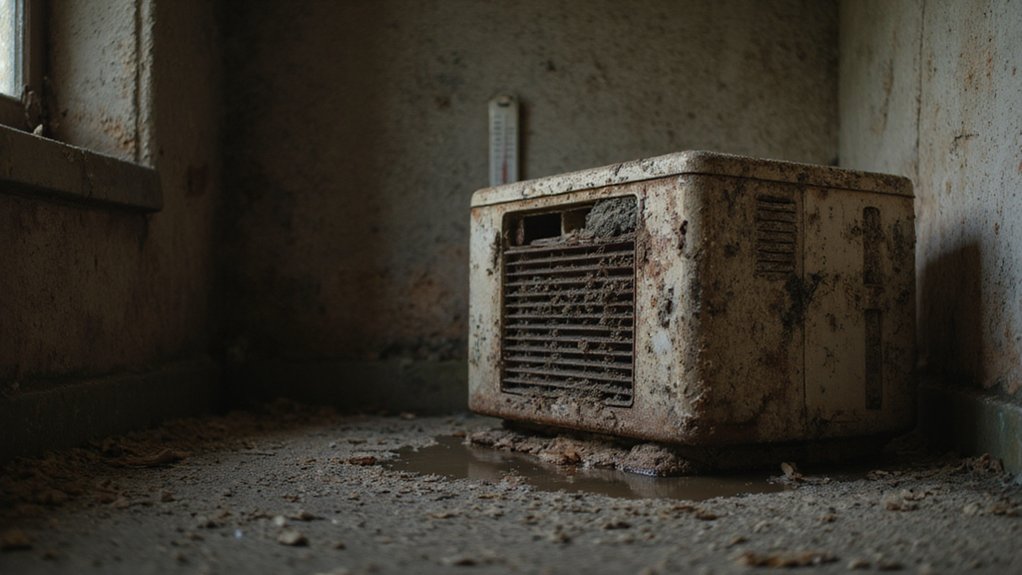
Skipping regular care for your air conditioning system can quietly lead to bigger problems than most people expect. At first, everything may seem fine. The unit turns on, the room cools down, and life goes on. But inside the system, dust builds up, parts wear out, and airflow starts to weaken.
Over time, this lack of attention affects how your AC performs, how much energy it uses, and even the air you breathe at home. Small issues can grow into expensive repairs, and comfort levels can drop without much warning.
Let’s walk through what really happens when AC maintenance is ignored and how it can affect your home and your wallet.
Key Takeaways
- Skipping maintenance makes your AC work harder and use more electricity
- Dust and dirt inside the system reduce airflow and cooling ability
- Minor issues can turn into expensive repairs if left unchecked
- Energy bills often rise when the system runs inefficiently
- Poor upkeep can affect indoor air quality and health
The Importance of AC Maintenance
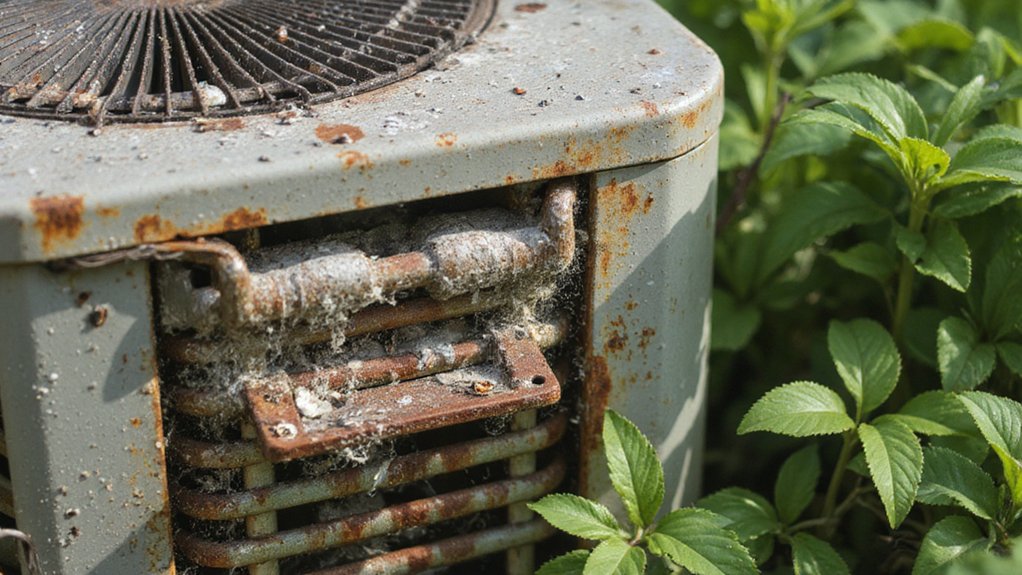
Most people don’t think much about their AC system until something goes wrong. That’s normal. But regular maintenance plays a big role in keeping things running smoothly.
A routine check helps catch small problems early. A technician might clean the filters, check refrigerant levels, and inspect electrical parts. These simple steps help the system run without strain.
When everything inside the unit is clean and working as it should, the AC cools your home faster and uses less energy. You also avoid sudden breakdowns during hot days when you need it most.
Ignoring maintenance doesn’t cause immediate failure. It slowly reduces performance until the system struggles to keep up.
Frequent AC Issues Due to Neglect
When maintenance is skipped, a few common problems tend to show up again and again.
Clogged filters are one of the first issues. When dust blocks airflow, the system has to push harder to circulate air. That extra effort puts stress on internal parts.
Dirty coils are another concern. These coils help transfer heat, and when they are covered in dirt, the cooling process becomes less effective. The AC runs longer but cools less.
Low refrigerant levels can also go unnoticed without regular checks. This leads to weak cooling and higher power usage.
You might also hear strange noises if belts or bearings begin to wear out. These sounds are often early warning signs that something inside needs attention.
Left alone, these problems don’t stay small. They build up and lead to bigger repairs.
How Skipping AC Maintenance Affects Efficiency
An AC system is designed to run smoothly with proper care. When that care is missing, efficiency drops step by step.
Airflow becomes restricted when filters are dirty. This means the system has to run longer to reach the same temperature. You may not notice it right away, but the AC starts working harder behind the scenes.
Heat exchange also becomes less effective when coils are dirty. The system struggles to remove heat from your home, which leads to longer cooling cycles.
Even small issues, like loose connections or low refrigerant, can affect how well the system performs. Over time, these minor problems add up and reduce overall efficiency.
This not only affects comfort but also puts extra strain on the unit, which can shorten its lifespan.
How Neglecting AC Maintenance Raises Energy Bills
One of the first noticeable effects of poor maintenance is a rise in electricity bills.
Increased Energy Use
When your AC is not clean or properly serviced, it has to work harder to cool your home. Dirty filters, blocked coils, and low refrigerant levels all force the system to use more power.
Even if your usage habits stay the same, your bill can still increase. The system simply becomes less effective at doing its job.
Gradual Loss of Performance
As dust builds up inside the unit, airflow becomes weaker. The AC takes longer to cool each room, which means it runs for extended periods.
This constant running leads to higher energy use and more wear on internal parts.
More Frequent Repairs
Without regular checks, small issues go unnoticed. Over time, these issues grow into larger problems that require repairs.
Each repair adds to your overall costs. In some cases, major parts like compressors may need replacement, which can be expensive.
Eventually, the cost of repairs and high energy bills can come close to the price of a new system.
What Happens When Your AC Breaks Down?
When an AC system finally fails, it rarely happens at a convenient time. It often breaks down during the hottest part of the year.
Indoor temperatures rise quickly, and humidity levels increase. The air starts to feel heavy and uncomfortable.
You might notice warning signs before a full breakdown. These can include weak airflow, unusual noises, or the system turning on and off too often.
If these signs are ignored, the system may stop working altogether.
High humidity can also lead to mold growth, which affects air quality and can create health concerns. The longer the system stays broken, the worse these conditions can become.
Repair costs also tend to increase when problems are left unresolved for too long, often leading to the need for professional AC repair services.
How Maintenance Affects Your AC’s Lifespan
Every AC system has a limited lifespan, but proper care can help it last longer.
Regular servicing reduces wear on internal parts. Clean filters and coils allow the system to run smoothly without extra strain.
When components are checked and adjusted on time, the system avoids overheating and unnecessary damage.
Most systems perform best when inspected at least once or twice a year. This helps keep everything in working order and prevents sudden failures.
Without maintenance, parts wear out faster. The system may still run, but it loses strength over time and eventually fails earlier than expected.
Taking care of your AC is one of the simplest ways to avoid early replacement.
How Does Poor Air Quality Affect Your Home?
An AC system does more than cool your home. It also plays a role in maintaining indoor air quality.
When filters are dirty, they can no longer trap dust, pollen, and other particles. These pollutants circulate through your home and settle on surfaces.
For people with allergies or breathing issues, this can make symptoms worse. Even for healthy individuals, poor air quality can lead to discomfort.
Moisture is another concern. A poorly maintained AC may not remove humidity effectively. This creates a damp environment where mold can grow.
Over time, this can lead to musty odors and further health concerns.
Keeping your system clean helps maintain a healthier indoor environment for everyone in your home.
Simple Ways to Keep Your AC in Good Shape
Taking care of your AC doesn’t have to be complicated. A few simple steps can make a big difference.
Change Filters Regularly
Filters should be checked often and replaced every one to three months, depending on usage.
Different types of filters are available, including fiberglass, pleated, and HEPA. Choosing the right one helps improve air quality and system performance.
A clean filter allows air to flow freely, which reduces strain on the system.
Schedule Annual Inspections
A yearly inspection by a qualified HVAC contractor helps catch problems early. During a service visit, a technician will clean important parts, check refrigerant levels, and inspect electrical components.
This routine check helps keep the system running smoothly and reduces the chance of sudden breakdowns.
It’s best to schedule this before the cooling season begins so your system is ready when you need it.
Frequently Asked Questions
Can I Perform AC Maintenance Myself?
You can handle basic tasks like cleaning or replacing filters. These small steps help keep airflow steady. For more technical work, it’s safer to call a professional.
How Often Should I Schedule Professional Maintenance?
Once a year is usually enough for most homes. In areas with heavy use, twice a year can help keep the system in better condition.
What Signs Indicate My AC Needs Maintenance?
Watch for weak airflow, unusual sounds, uneven cooling, or rising energy bills. These signs often mean the system needs attention.
Does Neglecting Maintenance Void My Warranty?
Many warranties require regular servicing. If maintenance is skipped, claims may be denied when problems occur.
Can Poor Maintenance Impact Indoor Humidity Levels?
Yes, it can. When the system isn’t working properly, it may fail to remove moisture from the air. This leads to a damp and uncomfortable indoor environment.
Conclusion
Ignoring your AC system might not seem like a big deal at first. But over time, it leads to higher energy bills, reduced comfort, and costly repairs.
A well-maintained system runs more smoothly, lasts longer, and keeps your home comfortable throughout the year. It also helps maintain better air quality, which matters for your health.
Regular maintenance doesn’t take much effort, but it makes a noticeable difference. Staying consistent with simple checks and professional servicing can save you from bigger problems later.