

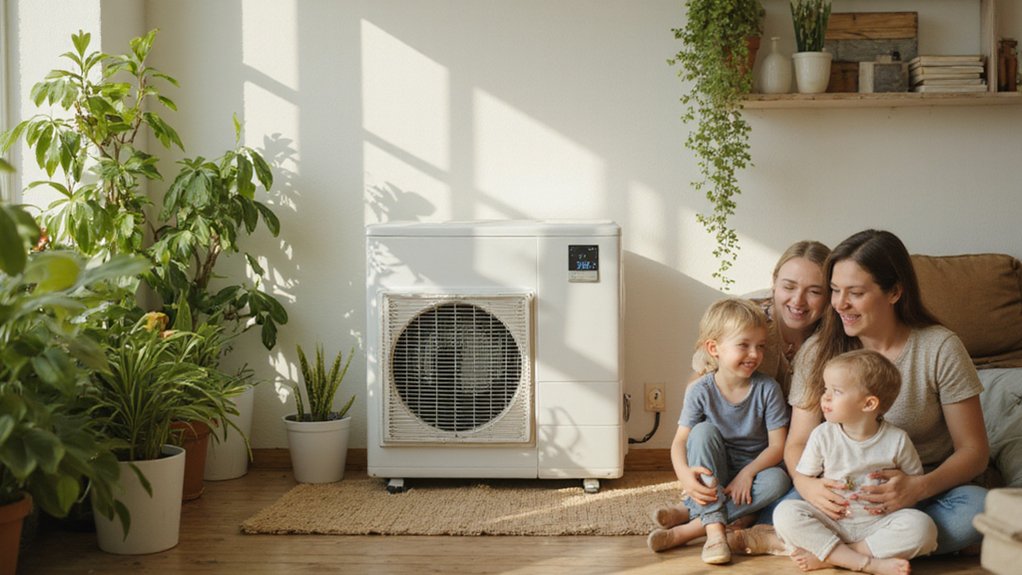
When your Air conditioning system stops running the way it should, your electricity bill often tells the story before anything else does. A struggling unit pulls more power, runs longer, and still doesn’t cool your space properly.
Regular professional AC repair helps catch those hidden issues early. Small problems like low refrigerant or blocked airflow can quietly push your system to work harder than it needs to. Fixing them brings your energy use back under control and keeps costs from creeping up month after month.
Let’s walk through how proper AC repair and maintenance can make a real difference in what you spend.
Key Takeaways
- Professional AC repair helps your system run smoothly, which reduces energy use and lowers monthly bills.
- Routine inspections catch small issues early, helping you avoid bigger and more expensive repairs later.
- Clean filters and well-maintained parts improve airflow and reduce strain on the system.
- Upgrading older systems can lower energy costs and may qualify for rebates.
- Preventative care extends the life of your AC, helping you delay replacement costs.
How Regular AC Maintenance Saves You Money
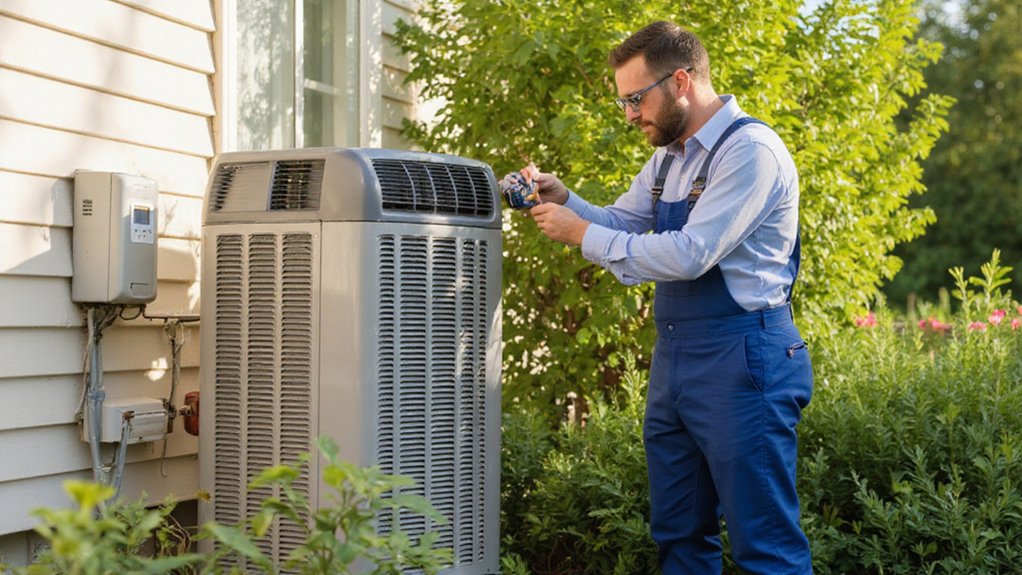
Scheduling regular AC maintenance is not just about staying comfortable during hot days. It directly affects how much you spend on electricity.
When your system is checked and serviced on a routine basis, it runs more smoothly. That means it doesn’t need extra power to cool your home. Over time, that steady performance leads to noticeable savings on your utility bills.
Skipping maintenance often leads to small issues going unnoticed. A loose connection, a dirty coil, or low refrigerant might not seem serious at first. Left alone, these can turn into expensive repairs or even full system failure.
A well-maintained AC unit also tends to last longer. That alone can save you a significant amount by delaying the need for a full replacement.
Why System Tune-Ups Matter for Energy Use
Regular tune-ups play a big role in keeping your AC system running the way it should.
During a tune-up, a technician from HVAC repair services checks the main components of your system. This includes the thermostat, refrigerant levels, electrical connections, and moving parts. Small adjustments during these visits help your unit run more smoothly and use less electricity.
When everything is working as it should, your AC doesn’t need to overwork itself to cool your home. You get steady cooling without sudden spikes in your energy bill.
Another benefit is consistency. A tuned system keeps temperatures stable, which makes your home more comfortable without constant adjustments.
The Impact of Clean Filters on AC Performance
Clean air filters might seem like a small detail, but they have a big effect on how your AC performs.
When filters get clogged with dust and debris, airflow becomes restricted. Your system has to push harder to move air through your home. That extra effort increases energy use and puts stress on internal parts.
Replacing or cleaning filters regularly allows air to flow freely. Your AC can cool your space faster and maintain the set temperature without running longer than necessary.
This simple habit also helps protect your system from wear and tear. Over time, that can prevent breakdowns and reduce repair costs.
Why Older AC Units Cost More to Run
As AC systems age, they naturally lose their ability to perform efficiently.
Parts begin to wear down, and the system needs more energy to do the same job it once handled with ease. You might notice your home takes longer to cool, or that your electricity bills keep rising without a clear reason.
Older units also tend to cycle more often. They turn on and off repeatedly, which adds to energy use and increases strain on the system.
At some point, the cost of running and repairing an older unit can outweigh the cost of replacing it. Regular inspections can help you decide when it makes sense to repair and when it’s time to consider an upgrade.
Increased Energy Use Over Time
An aging AC system often draws more power while delivering less cooling.
This happens because internal parts lose efficiency and the system has to compensate. It runs longer cycles and uses more electricity, which shows up in your monthly bill.
Checking your system regularly helps spot these changes early. A technician can identify where the extra energy is being used and recommend the right fix.
Reduced Cooling Performance
When your AC struggles to keep your home cool, it’s often a sign of declining performance.
You may find yourself lowering the thermostat more often, hoping to get the same level of comfort. That usually leads to higher energy use without solving the root issue.
Addressing performance problems early helps restore proper cooling and keeps your system from working harder than necessary.
Frequent Repairs Add Up
Older systems tend to break down more often. Each repair might seem manageable on its own, but the costs can add up quickly.
Frequent service calls, replacement parts, and unexpected breakdowns can strain your budget over time. At the same time, the system continues to run inefficiently, increasing your energy bills.
Keeping up with maintenance reduces the chances of repeated issues and helps you avoid unnecessary expenses.
How Refrigerant Levels Affect Cooling Costs
Refrigerant plays a central role in how your AC cools your home.
When levels are low, usually due to leaks, the system cannot cool air effectively. It ends up running longer cycles to reach the desired temperature, which increases energy use.
Low refrigerant can also damage important components like the compressor. That can lead to more serious and expensive repairs.
Professional repair ensures that refrigerant levels are correct and that any leaks are fixed. This helps your system cool efficiently and keeps your energy costs in check.
When Upgrading Your AC Makes Financial Sense
Sometimes, repairing an old system is no longer the most practical option.
Newer AC systems are designed to use less energy while delivering better cooling. Features like variable speed operation and improved temperature control help reduce electricity use without sacrificing comfort.
Many modern systems also qualify for rebates or incentives, which can help offset the initial cost.
If your current unit needs frequent repairs or struggles to keep up, upgrading may lower your monthly expenses and give you more consistent performance.
Real Savings You Can Expect from AC Repair
Professional AC repair can lead to noticeable savings, especially when your system has been running inefficiently for a while.
Fixing issues like blocked airflow, worn components, or incorrect refrigerant levels helps your system return to normal operation. That alone can reduce the amount of electricity it uses.
Adding a smart thermostat can further improve control over your cooling schedule. You can adjust settings based on when you’re home, which helps avoid unnecessary energy use.
Regular system checks also help you stay ahead of problems. Catching issues early means fewer emergency repairs and more predictable costs.
Preventative Maintenance and Long-Term Cost Control
Preventative maintenance is one of the simplest ways to keep your AC costs under control.
Routine inspections allow technicians to spot wear and tear before it leads to bigger problems. This includes checking refrigerant levels, cleaning internal components, and making small adjustments where needed.
Keeping your system in good condition helps it run efficiently throughout the year. You avoid sudden breakdowns, reduce energy use, and extend the life of your equipment.
Simple Maintenance Tasks That Make a Difference
There are a few basic tasks that can help keep your AC running smoothly between professional visits.
Filter replacement is one of the most important. Checking your filters every one to three months can prevent airflow issues and reduce strain on your system.
Cleaning the coils is another useful step. Dirt buildup makes it harder for your AC to release heat, which affects performance and energy use.
Keeping the area around your outdoor unit clear of debris also helps maintain proper airflow.
These small actions support overall system performance and can make a noticeable difference in your energy bills.
Frequently Asked Questions
How often should I schedule professional AC service?
Once a year is a good starting point. If your system runs heavily or shows signs of trouble, more frequent checks may help keep things running smoothly.
Can I handle AC maintenance on my own?
You can take care of simple tasks like cleaning filters and checking thermostat settings. For deeper inspections and repairs, it’s best to call a professional.
What are the warning signs my AC needs repair?
Watch for weak airflow, unusual noises, inconsistent cooling, or higher energy bills. These usually point to underlying issues.
Are there quick fixes for common AC problems?
Basic steps like replacing filters or checking power connections can solve minor issues. If the problem continues, a technician should take a look.
How long does an AC unit usually last?
Most systems last between 15 and 20 years with proper care. Regular maintenance plays a big role in reaching that range.
Conclusion
Professional AC repair and regular maintenance do more than keep your home cool. They help control how much energy your system uses and how much you spend each month.
By fixing issues early, keeping components clean, and making sure everything runs as it should, you reduce strain on your system and avoid unnecessary costs.
A little attention throughout the year can go a long way. It keeps your home comfortable, your system running longer, and your energy bills more manageable.