

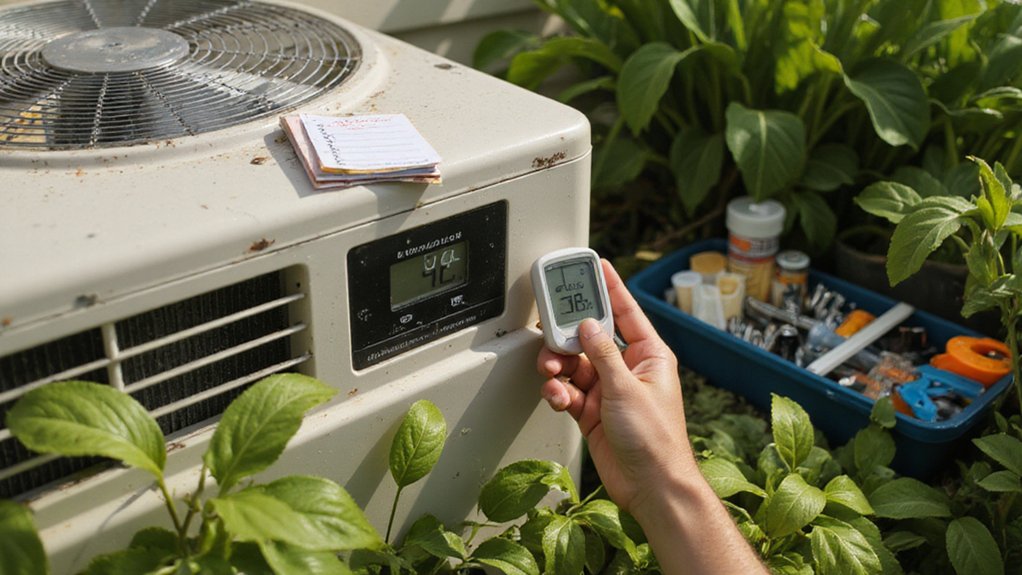
Before you call for AC repair, it helps to run through a few quick checks. Many cooling problems come down to small issues that are easy to fix at home. A loose plug, a clogged filter, or a wrong setting can stop your system from working the way it should.
Taking a few minutes to look things over can save time, reduce stress, and sometimes even avoid a service visit. If the problem still continues after these steps, then it’s a good sign that a technician should take a closer look.
Quick Checks to Try First
Start with the basics. These simple steps often solve the most common AC problems:
- Make sure the unit is plugged in properly
- Check your circuit breaker for any tripped switches
- Look at the thermostat settings
- Inspect air filters for dust and buildup
- Clear any debris around the outdoor unit
- Check visible ducts for damage or gaps
If everything looks fine and the system still struggles, move on to a closer inspection.
Common Problems With AC Units and How to Diagnose Them
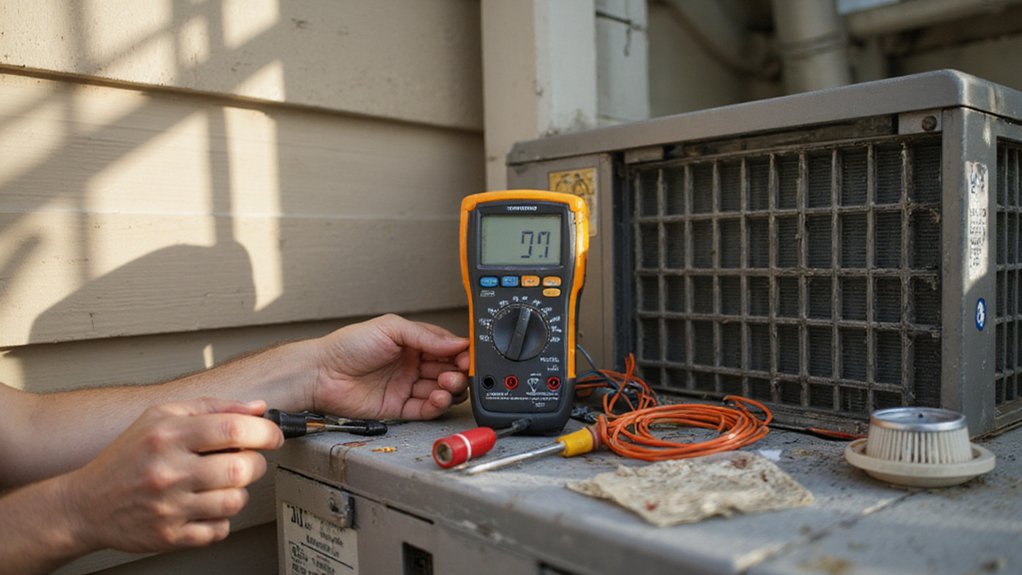
When your air conditioner stops cooling well, it usually gives a few warning signs. Catching these early can prevent bigger issues later.
One common issue is a failing compressor. You might hear strange noises or notice the unit turning on and off too often. These are early signs that something inside is not working as it should.
Electrical problems are another frequent cause. A tripped breaker or blown fuse can cut power to the system. It’s also worth checking visible wiring for wear or damage.
Spotting these signs early can help you avoid bigger repair bills and keep your air conditioning system running longer.If anything feels unclear or unsafe, it’s best to leave it to a professional.
Is Your AC Unit Getting Power?
Before anything else, confirm that your AC unit is actually receiving power.
Start by checking the plug or main connection. If your unit is hardwired, make sure nothing looks loose or disconnected.
Next, head to your electrical panel. Look for any breaker that has flipped. If you find one, switch it off fully and then turn it back on. This simple reset can bring your system back to life.
If the breaker trips again, stop there. That usually points to a deeper electrical issue that needs expert attention.
Also take a quick look at any fuses connected to the system. A blown fuse can stop everything from working.
Take a Look at Your Thermostat
Your thermostat plays a bigger role than most people think. A small setting mistake can make it seem like your AC is not working at all.
Check that it’s set to “cool” mode and that the temperature is lower than the current room temperature. If the screen is blank or not responding, the batteries may need replacing.
Even the position of the thermostat matters. If it’s tilted or not mounted properly, it may read the room temperature incorrectly.
Fixing a simple thermostat issue can bring your system back to normal without any further steps.
Check if Your Air Filters Are Dirty
Air filters affect both airflow and air quality inside your home. When they get clogged with dust, your AC has to work harder to push air through.
Pull out the filter and take a look. If it looks dusty or blocked, it’s time to clean or replace it.
Most homes need a filter change every one to three months. If you have pets or live in a dusty area, you may need to do this more often.
Clean filters help your system run smoothly and can also lower your energy bills over time.
Clearing Blockages Around the Outdoor Unit
Your outdoor unit needs space to breathe. When leaves, dirt, or branches pile up around it, airflow gets restricted.
Start by turning off the power to stay safe. Then remove any visible debris around the unit. Try to keep at least two feet of clear space on all sides.
If plants or shrubs are growing too close, trim them back. This helps prevent the same issue from coming back.
Once everything is clear, turn the power back on and check how the unit performs.
How to Spot Air Leaks in Ducts
Leaky ducts can quietly reduce your AC’s performance. Cool air escapes before it reaches your rooms, which makes the system work harder.
Begin with a simple visual check. Look for loose connections, gaps, or holes in exposed ductwork.
You can also try a quick airflow test. Hold a small source of smoke, like incense, near the duct joints. If the smoke shifts or gets pulled, there may be a leak.
Uneven cooling across rooms is another clue. If one room feels much warmer than another, your ducts could be part of the problem.
Higher energy bills without a clear reason can also point to air leaks.
When Your AC Runs but Doesn’t Cool
If your AC is running but the room still feels warm, a few things could be causing it.
Check the Thermostat Again
Go back to the thermostat and double-check the settings. Make sure it’s set correctly and responding as it should.
If the readings seem off, recalibration might help. In some cases, replacing the thermostat is the better option.
Inspect the Air Filters
Clogged filters can block airflow and stop cool air from circulating properly.
If the filter looks dirty, replace it and give the system some time to adjust. This small fix often improves cooling right away.
Look at Refrigerant Levels
Low refrigerant can stop your AC from cooling effectively. This usually happens when there is a leak somewhere in the system.
Checking refrigerant levels requires proper tools, so this is where a technician should step in. If you suspect a leak, it’s best not to delay.
Fixing the issue early helps prevent further damage to the system.
Don’t Forget the Drain Line
The drain line carries away moisture from your AC. When it gets blocked, water can back up and cause trouble.
Look for standing water near the unit or signs of algae growth inside the line. These are common signs of a clog.
A wet or dry vacuum can help clear minor blockages. If the clog is stubborn, a technician can handle it safely.
Keeping the drain line clear helps prevent leaks and water damage inside your home.
When Regular Maintenance Makes a Difference
Even if your AC seems fine, regular maintenance keeps it running smoothly.
A yearly check before the cooling season is usually enough for most systems. During a service visit, a technician will clean parts, check refrigerant levels, and make sure everything is working properly.
Routine care can improve performance, extend the life of your unit, and keep indoor air cleaner.
If you notice odd noises, weak airflow, or rising energy bills, it may be time to schedule a service check.
Common Questions About AC Care
How often should AC maintenance be done?
Once a year is a good rule for most homes. A visit before summer helps prepare your system for heavy use.
What signs mean I need urgent repair?
Watch for weak cooling, unusual noises, or frequent cycling. These are signs your system needs attention soon.
Can I fix my AC myself?
You can handle small tasks like cleaning filters or checking settings. For anything more complex, it’s safer to call a professional.
How long does an AC unit last?
Most units last between 15 and 20 years with proper care. Regular servicing can help extend that lifespan.
What should I do before a technician arrives?
Clear the area around your unit, check your thermostat settings, and make a note of any unusual behavior. This helps the technician diagnose the issue faster.
Conclusion
Before calling for AC repair, take a few minutes to go through these simple checks. Make sure your unit has power, confirm the thermostat settings, and look at the air filters.
Clear any blockages around the outdoor unit and keep an eye on your ducts and drain line. These small steps can solve many common problems.
If the issue continues, it’s best to seek professional help.Regular upkeep also goes a long way in keeping your system running smoothly for years.