

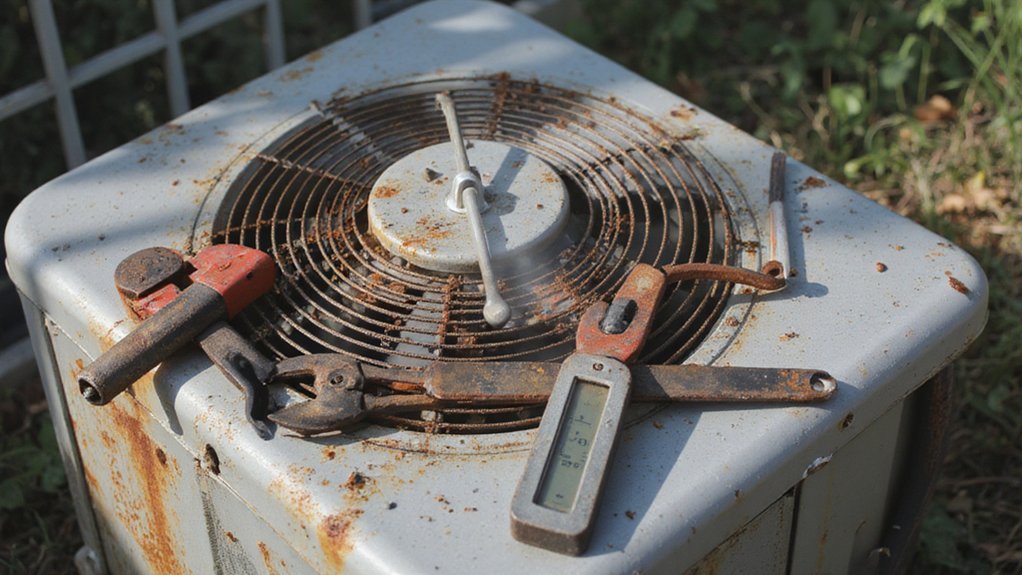
Is your air conditioning system struggling to keep your home comfortable? It’s not always easy to tell whether a quick fix will do the job or if it’s time to start fresh with a new system. A few clear signs can help you decide.
Things like rising energy bills, odd noises, uneven cooling, and the age of your unit all play a part. When you look at these together, the decision becomes much clearer.
Key Signs to Watch
- Older units, especially past 10 to 15 years, tend to need replacement more often
- A sudden jump in energy bills can point to poor performance
- Strange sounds like banging or hissing usually mean something is wrong
- Frequent repairs can cost more over time than replacing the unit
- A professional inspection can help confirm the right next step
How Old Is Your AC Unit?
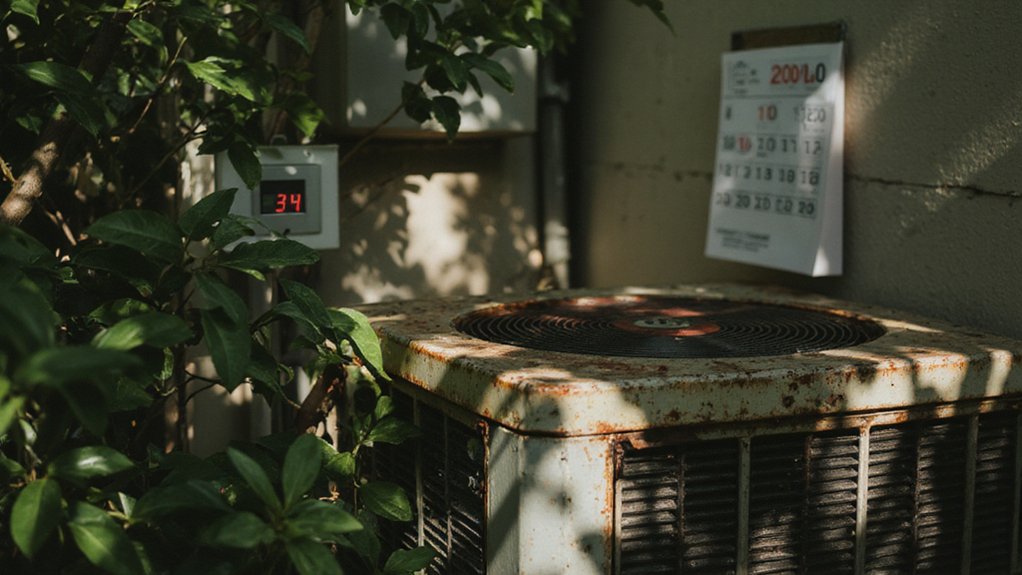
Age is one of the biggest factors when deciding what to do with your AC.
Most systems last around 10 to 15 years. Some run longer with regular care, while others wear out sooner if maintenance has been skipped. If your unit is getting close to that range, it’s worth thinking ahead.
Take a moment to look at how well the system has been maintained. Units that receive regular servicing tend to last longer and run better. On the other hand, if repairs have been inconsistent or delayed, problems tend to build up faster.
If your AC is older and already showing signs of trouble, replacement often makes more sense than continuing to fix it.
Noticing Higher Energy Bills?
A steady increase in your energy bill is often one of the first signs something is off.
Increased Utility Costs
If your electricity costs have gone up without a clear reason, your AC might be working harder than it should. Older systems or poorly maintained units tend to use more power to produce the same level of cooling.
It helps to compare recent bills with ones from the same season last year. If there’s a noticeable jump, your AC could be losing performance.
Simple issues like dirty filters or low refrigerant can cause this. But if the problem keeps coming back, it may point to a larger issue.
Poor Cooling Performance
Higher bills often come with weaker cooling.
You might notice the AC running longer than usual or struggling to reach the set temperature. Some rooms may feel warm even when the system is on.
Blocked vents, clogged filters, or worn-out parts can all reduce airflow. When airflow drops, the system has to run longer to keep up.
If cleaning and small fixes don’t improve things, it may be time to consider a bigger change.
Frequent System Breakdowns
Breakdowns that happen again and again are hard to ignore.
If you’re calling for repairs multiple times in a single season, the system is likely wearing down. Each repair may fix one issue, but others often follow.
At some point, the total cost of repairs starts to add up. When that happens, replacing the unit can save both money and frustration over time.
Is Your AC Making Unusual Noises?
Your AC should run quietly in the background. When it starts making noticeable sounds, it’s worth paying attention.
Common Noises and What They Mean
Different sounds can point to different problems.
A hissing sound often suggests a refrigerant leak. This can affect cooling and should be checked quickly.
Rattling may mean loose parts or debris inside the unit. Left alone, this can lead to more damage.
Banging or clanking could signal a problem with internal components, such as the compressor.
Catching these sounds early can prevent bigger repairs later.
When It’s Time to Call for Help
If the noise doesn’t go away or gets worse, it’s time to bring in a technician.
Unusual sounds, along with weak cooling or rising bills, usually mean the system needs attention. Waiting too long can turn a small repair into a major one.
A professional can check the system and let you know whether a repair will solve the issue or if replacement is the better option.
Are Some Rooms Cooler Than Others?
Uneven cooling is a common complaint in many homes.
If one room feels comfortable while another stays warm, airflow could be the issue. Blocked vents, dirty filters, or duct problems can all limit how air moves through your home.
Furniture placed over vents is another simple but often overlooked cause. Even small obstructions can affect airflow more than you’d expect.
Insulation also plays a role. Rooms with large windows or poor insulation tend to heat up faster.
If the problem continues after basic fixes, your AC system may no longer be able to distribute air evenly.
How Often Do You Need Repairs?
Occasional repairs are normal. Every system needs attention from time to time.
But frequent repairs are a different story.
If your AC needs fixing more than once or twice during the cooling season, it may be reaching the end of its usable life. Replacing small parts again and again can become expensive.
Regular maintenance can help reduce breakdowns. A yearly check before summer gives technicians a chance to spot issues early.
Still, if problems keep returning, it’s worth stepping back and looking at the bigger picture.
Repair Costs vs. Replacement Costs
Cost is often the deciding factor.
If a repair is simple and affordable, it usually makes sense to fix the unit through a professional AC repair service. This is especially true for newer systems.
But when repair costs climb, the decision shifts.
A common rule is this. If a repair costs close to half the price of a new unit, replacement is usually the better choice.
It’s also worth thinking about future costs. An older unit may need more repairs soon, while a new system can run smoothly for years with proper care.
Looking at both short-term and long-term costs helps you make a more balanced decision.
How Energy Efficiency Affects Your Decision
Energy use matters more than many people realize.
Older AC units tend to lose performance over time. They use more electricity to deliver less cooling, which shows up in your monthly bills.
Newer systems are designed to use less energy while providing better comfort. Over time, the savings on energy bills can help offset the cost of replacement.
Some newer units may also qualify for rebates or incentives, depending on your area.
If your current system struggles to keep up and costs more to run, upgrading can make a noticeable difference.
Choosing the Right New AC Unit
If you’ve decided to replace your AC, choosing the right unit and planning a proper HVAC installation is the next step.
Start with the size of the system. A unit that’s too small won’t cool your home properly. One that’s too large may cycle on and off too often, which can reduce its lifespan.
Energy ratings are also worth checking. Higher ratings usually mean better performance and lower running costs.
Think about the layout of your home as well. Central systems, ductless units, and window units all serve different needs.
Talking with a qualified technician can help you sort through the options and choose a system that fits your home and budget.
Frequently Asked Questions
How Can I Tell if My Thermostat Is Malfunctioning?
If the room temperature doesn’t match the setting on your thermostat, something may be off. Try recalibrating it or replacing it if the issue continues.
What Signs Point to a Refrigerant Leak?
Watch for reduced cooling, ice on the coils, or a hissing sound. These are common signs that refrigerant levels are low and need attention.
Can Regular Maintenance Help My AC Last Longer?
Yes, routine maintenance can extend the life of your system. It helps catch small problems early and keeps everything running smoothly.
Should Environmental Factors Affect My Decision?
They can. A more energy-efficient system uses less power and can lower your overall impact while reducing your bills.
How Do I Choose a Good HVAC Technician?
Look for proper certification and consistent customer feedback. A technician with solid experience and clear communication is always a good sign.
Conclusion
Deciding between repair and replacement comes down to a few clear factors. The age of your AC, how well it performs, and how often it needs repairs all matter.
If your unit is older, struggles to cool your home, or costs more to run, replacing it may be the better choice. If the issue is small and the system is still in good shape, a repair can keep it going.
Taking the time to look at the full picture helps you avoid unnecessary costs and keeps your home comfortable.