

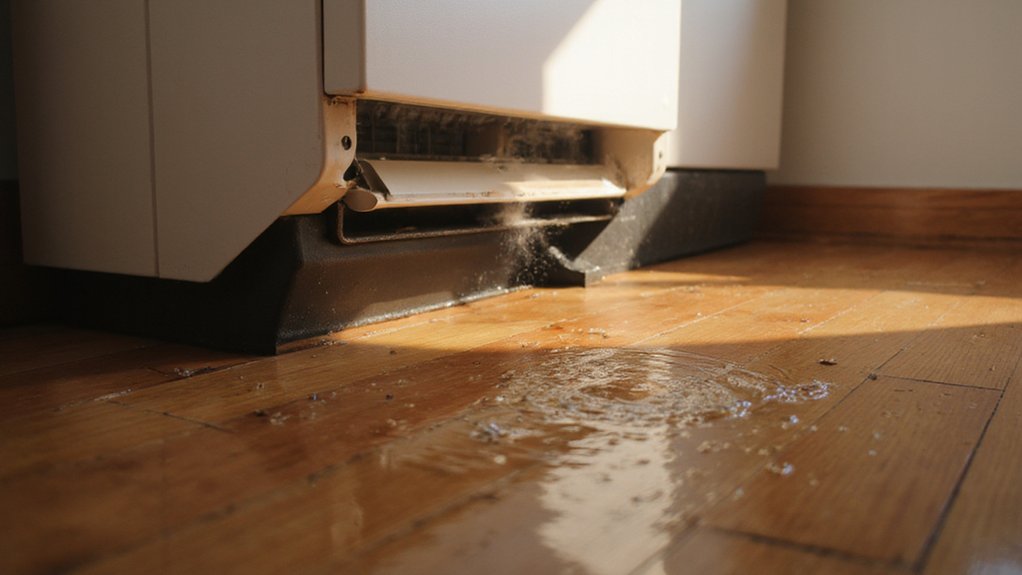
If your AC is leaking water inside your home, it usually points to a problem that needs attention sooner rather than later. The good news is that most causes are common and fixable.
In many cases, leaks happen due to blocked drain lines, frozen coils, or moisture buildup that the system cannot handle. When you know what to look for, it becomes much easier to stop the issue before it turns into something expensive.
Let’s walk through what causes these leaks, how to spot them, and what you can do right away.
Key Takeaways
- AC leaks often come from clogged drain lines, frozen coils, or excess humidity
- Water pooling, higher indoor humidity, or odd sounds are early warning signs
- Turning off the unit quickly can prevent further damage
- Ignoring the issue can lead to mold and structural damage
- Routine maintenance helps avoid most leaks
Common Causes of AC Leaks Inside Your Home
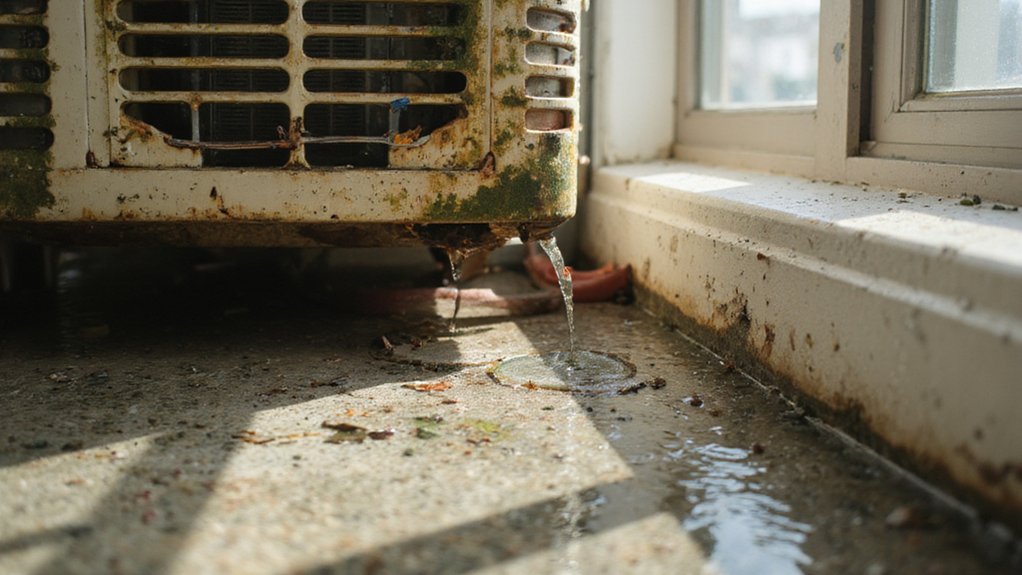
When your air conditioner starts leaking water, it can feel confusing at first. Most of the time, the cause comes down to how the system handles moisture.
One common issue is frozen evaporator coils. When airflow is restricted or refrigerant levels drop, the coils can freeze. Once they thaw, the extra water can overwhelm the drainage system and start leaking indoors.
Humidity also plays a role. On very humid days, your AC pulls more moisture from the air than usual. If the system cannot drain it fast enough, water begins to collect where it shouldn’t.
Another frequent cause is a clogged condensate drain line. This line carries water away from the unit. When it gets blocked by dirt, dust, or algae, the water backs up and spills into your home.
Simple upkeep can prevent most of these problems. Keeping airflow steady, checking filters, and making sure the drain line stays clear can go a long way.
Signs Your AC Is Leaking Water and What to Do About It
A leaking AC does not always start with a big puddle. Small signs often show up first.
Water around the indoor unit or damp spots on the floor are the most obvious clues. Even a small amount of moisture can signal a larger issue inside the system.
You might also notice the air feels more humid than usual. That can mean the unit is struggling to remove moisture properly.
Strange sounds can also point to trouble. Gurgling or dripping noises often suggest a blockage in the drainage system. Ice forming on the coils is another warning sign that should not be ignored.
Checking the drain line regularly helps catch problems early. It is also worth making sure the condensate pump, if your system has one, is working as expected.
Taking care of these signs early helps keep your AC running smoothly and your indoor air quality comfortable
Immediate Steps to Take for a Leaking AC
If you notice water coming from your AC, acting quickly can save you from bigger repairs later.
If the leak is severe or causing damage, consider calling for emergency AC repair right away.
Turn Off The AC
Start by switching off the unit. This stops more water from building up and gives you a chance to look at the issue safely.
Leaving the system running can make the leak worse and increase the chance of damage to walls or flooring.
After turning it off, take a quick look at the thermostat and air filter. A clogged filter can restrict airflow and lead to moisture problems.
If nothing obvious stands out, it may be time to bring in a technician.
Check Drain Pan
Next, take a look at the drain pan located under the indoor unit.
If the pan is full, cracked, or rusted, it can no longer hold or direct water properly. That leads to overflow and leaks.
Clear out any dirt or debris sitting in the pan. It should be clean and level so water can flow out without pooling.
If the pan is damaged, replacing it is usually the best option.
Inspect Condensate Line
The condensate line is where many leaks begin.
Check for any visible bends, clogs, or damage. If the line is blocked, water has nowhere to go.
You can try clearing it using a wet and dry vacuum or by flushing it with a mix of water and vinegar. This helps remove buildup inside the pipe.
Keeping this line clean is one of the simplest ways to prevent leaks from coming back.
Why You Shouldn’t Ignore Your Leaking AC
A small leak might not seem like a big deal at first, but it can quickly turn into a bigger problem.
Potential Property Damage
Water can spread into floors, walls, and ceilings without you noticing right away. Over time, this weakens materials and leads to costly repairs.
Even a slow drip can cause long-term damage if it continues unchecked.
Mold Growth Risk
Moisture creates the perfect conditions for mold. Once it starts growing, it can spread through the air in your home.
This affects indoor air quality and can lead to breathing issues, especially for children or anyone with allergies.
Keeping moisture under control is one of the best ways to avoid this problem.
Increased Energy Costs
When your AC is not working as it should, it has to run longer to cool your home.
That extra effort shows up in your electricity bill. Fixing a leak early can help your system run more smoothly and use less energy.
When to Call a Professional for AC Repairs?
Some issues are easy to handle, but others need expert attention.
If your AC keeps leaking after basic checks, it is time to schedule a professional AC repair service. The same goes for unusual noises, uneven cooling, or constant cycling.
Refrigerant problems or older systems also need proper inspection. Waiting too long can lead to more serious damage.
Getting help early often saves both time and money.
Preventative Maintenance Tips for Your AC System
Regular upkeep makes a big difference in how your AC performs.
Start with the air filter. Changing it every one to three months helps maintain steady airflow and reduces strain on the system.
Cleaning the ducts also helps remove dust and debris that can affect performance and moisture control.
Take a few minutes to check the drain line now and then. Make sure it is clear and draining properly.
Keep the outdoor unit free from leaves and dirt. Good airflow around the unit helps it run more smoothly.
Small steps like these can help you avoid bigger problems later.
How Your AC Drainage System Works and Its Importance
Your AC does more than cool the air. It also removes moisture.
As warm air passes over the evaporator coils, condensation forms. This water drips into a pan and flows through the drain line to the outside.
When everything is working properly, this process happens quietly in the background.
If the drainage system gets blocked or damaged, water starts to build up inside your home instead.
Keeping this system clear is essential for both comfort and safety.
Handling Water Damage From AC Leaks
If a leak has already caused water damage, quick action matters.
Start by turning off the AC to stop the source of the problem. Then remove any standing water using towels or a vacuum.
Dry the area as much as possible. Fans or open windows can help speed up the process.
Check nearby surfaces for signs of damage. Soft spots, stains, or peeling paint may need repair.
Fixing the leak and drying the space fully helps prevent mold and further damage.
Frequently Asked Questions
Can a Clogged Filter Cause My AC to Leak Water?
Yes, it can. A dirty filter blocks airflow, which can lead to frozen coils and excess water when they thaw.
How Often Should I Check My AC Drainage System?
Once a month is a good habit. Regular checks help catch clogs early.
Is It Safe to Use My AC While It’s Leaking?
It is better to turn it off until the issue is fixed. Running it can make the problem worse.
Will a Leaking AC Increase My Energy Bills?
Yes. The system has to work harder, which leads to higher energy use.
Can Humidity Levels Affect My AC’s Performance?
Yes, high humidity makes it harder for your AC to remove moisture, which can affect cooling.
Conclusion
A leaking AC is more than just an inconvenience. It is often a sign that something inside the system needs attention.
By spotting early signs and taking simple steps, you can prevent damage and keep your home comfortable. Regular maintenance plays a big role in avoiding these issues.
If the problem continues, getting professional help is the safest way to protect your home and your cooling system.