

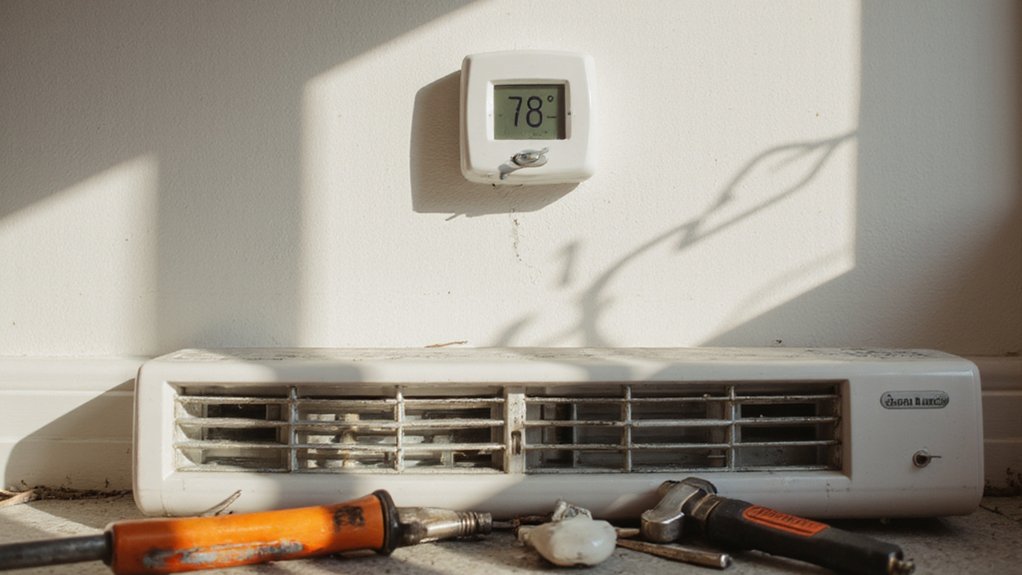
If your AC is blowing warm air instead of cold, it usually means something isn’t working the way it should. A few common causes include dirty air filters, low refrigerant levels, or incorrect thermostat settings. These issues can affect how well your system cools your space.
The good news is that many of these problems are easy to spot and fix. Once you understand what might be going wrong, it becomes much easier to get your home back to a comfortable temperature.
Quick overview of common causes
Warm air from your AC often comes down to a handful of familiar issues. Poor maintenance can lead to dirt buildup, which affects airflow and cooling. Low refrigerant levels can reduce the system’s ability to remove heat. Incorrect thermostat settings can also stop your unit from cooling properly.
Blocked vents, duct issues, or airflow restrictions can trap warm air inside your home. In some cases, ice on the evaporator coils points to deeper airflow problems that need attention.
Top Reasons Your AC Blows Warm Air and How to Fix It
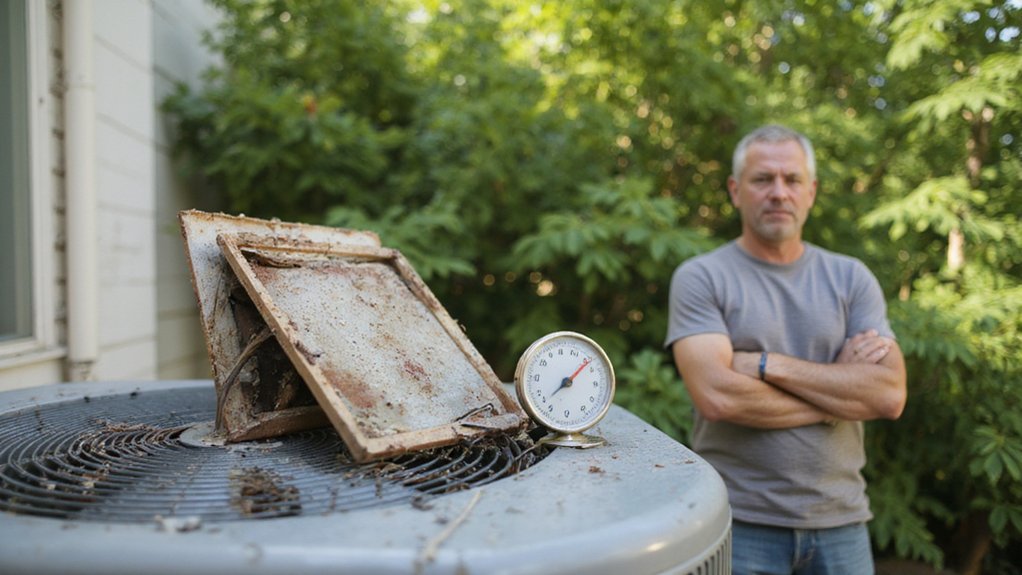
When your AC starts blowing warm air, it can feel frustrating, especially during hot days. One of the most common reasons is skipped maintenance. Over time, dust and debris build up inside the system and start affecting performance.
Start with the basics. Check your thermostat settings and make sure the system is set to “cool” and not “fan.” It sounds simple, but this is often the issue.
Low refrigerant is another common reason. If levels drop, your AC can’t remove heat from the air properly. This usually means there’s a leak somewhere in the system.
Take a quick look at the outdoor unit as well. If it’s blocked by dirt, leaves, or debris, airflow gets restricted. Also check your circuit breaker to make sure the unit is getting power.
If you notice ice forming on the coils, that’s a sign of airflow trouble. It’s best to deal with that early before it turns into a bigger repair.
How a Dirty Air Filter Affects Cooling
A dirty air filter is one of the easiest problems to overlook, yet it can make a big difference in how your AC performs. When the filter gets clogged, airflow drops, and the system struggles to cool your space.
Reduced airflow and uneven cooling
When air can’t move freely through the system, cool air doesn’t reach every room evenly. Some areas may feel warm while others stay cooler.
Dust and debris inside the filter block the airflow your AC depends on. This forces the system to work harder just to move air through your home.
Checking your filter regularly and replacing it when needed keeps airflow steady and helps your system cool more evenly.
Higher energy usage over time
When airflow is restricted, your AC has to run longer to reach the set temperature. That extra effort shows up in your energy bill.
A clean filter helps your system run more smoothly. It doesn’t need to work as hard, which can lower your monthly costs over time.
Extra strain on AC components
A clogged filter doesn’t just affect airflow. It also puts pressure on important parts of the system.
When your AC keeps running under stress, parts can wear out faster. In some cases, overheating can lead to compressor damage, which is one of the more expensive repairs.
Keeping the filter clean is a small step that can help avoid bigger issues later.
How Refrigerant Levels Affect Your AC’s Cooling Power
Refrigerant plays a central role in how your air conditioning system cools your home. When levels are off, the system can’t do its job properly.
What happens when refrigerant is low
Low refrigerant means your AC can’t absorb heat from indoor air the way it should. Instead of cool air, you start to feel warm air coming through the vents.
Topping up refrigerant isn’t just about adding more. The system needs to be checked for leaks first. If the leak isn’t fixed, the problem will keep coming back.
Why refrigerant leaks matter
Leaks reduce your system’s cooling ability and can lead to other issues over time. Your AC may run longer than usual, and you might notice higher electricity usage.
Technicians use tools like electronic detectors or dye to find leaks. Once fixed, the system can be refilled to the correct level.
If you suspect a refrigerant issue, it’s best to have it checked sooner rather than later.
Getting Your Thermostat Settings Right
Your thermostat plays a bigger role than you might think. Even a small setting issue can affect how your AC performs.
If the thermostat is not set correctly, your system may not cool at all. Make sure it’s set to “cool” and that the temperature is lower than the current room temperature.
Sometimes the thermostat itself may not read the temperature correctly. When that happens, your AC might shut off too early or keep running longer than needed.
Checking and adjusting your settings can often fix the problem quickly.
How Blocked Vents and Ducts Lead to Warm Air
Air needs a clear path to move through your home. When vents or ducts are blocked, that flow gets interrupted.
Furniture, dust, or debris can block vents without you noticing. When that happens, cool air can’t circulate properly, and some rooms start to feel warm.
Ducts can also collect dust over time. If buildup gets heavy, airflow drops across the entire system.
Regular cleaning and making sure vents stay open can help keep air moving the way it should.
When It’s Time to Call a Professional
Some AC problems are simple to fix. Others need a trained technician.
If your AC keeps blowing warm air after you’ve checked the basics, it may be time to schedule AC repair.Strange noises, leaks, or a unit that won’t turn on are signs that something more serious is going on.
Burning smells or refrigerant leaks should never be ignored, and may require emergency AC repair services.
These issues can lead to bigger damage if left alone.
A technician can inspect the system, find the cause, and get things working again safely.
Simple Maintenance Tips to Avoid Warm Air Issues
Keeping your AC in good shape doesn’t have to be complicated. A few regular habits can make a big difference.
Check your air filter every month and replace it when it looks dirty. Keep the outdoor unit clear of leaves, dust, and debris.
Schedule a professional check-up before the hotter months begin. This helps catch small issues before they turn into bigger problems.
Take a moment to review your thermostat settings now and then to make sure everything is correct.
With consistent care, your AC is more likely to keep running smoothly when you need it most.
Frequently Asked Questions
Can a malfunctioning capacitor cause warm air from my AC?
Yes, it can. When the capacitor fails, the system may struggle to run properly, which can lead to warm air instead of cool air.
How often should I replace my AC’s air filter?
Most homes do well with a replacement every one to three months. If you have pets or live in a dusty area, you may need to change it more often.
What should I do if my AC makes strange noises?
Check for loose parts or debris around the unit. If the sound continues, it’s safer to have a technician take a look.
Can outside temperatures affect my AC’s cooling?
Yes. Very high temperatures and humidity can make it harder for your AC to cool your home efficiently.
Is it normal for my AC to run all day in hot weather?
Yes, during very hot days, your AC may run longer than usual to keep your home cool. Regular maintenance helps prevent it from overworking.
Conclusion
When your AC starts blowing warm air, there’s usually a clear reason behind it. Dirty filters, low refrigerant, thermostat issues, or airflow problems are some of the most common causes.
Checking these areas early can save time and prevent bigger repairs. If the issue doesn’t go away, getting professional help is the safest next step.
With regular maintenance and a bit of attention, your AC can keep your home comfortable even during the hottest days.