

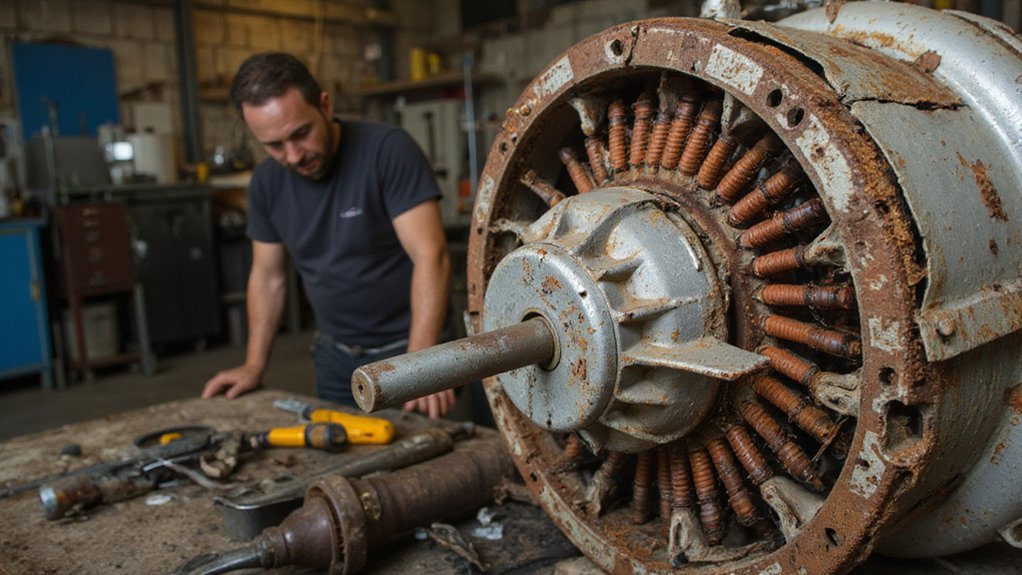
Your air conditioner depends on its blower motor to circulate cool air throughout your home. When the motor starts developing problems, you may notice weak airflow, unusual noises, or rooms that take longer than usual to cool down.
These symptoms shouldn’t be ignored. A blower motor that isn’t working properly can affect your AC’s cooling performance and put extra strain on other components.
But does every blower motor problem require a complete replacement? Not necessarily. Some issues can be fixed with a repair, while others may call for a new motor.
Knowing the difference can help you avoid unnecessary expenses and keep your air conditioning system working properly. Let’s look at the warning signs, common causes, repair costs, and situations where replacing the motor makes more sense.
Key Takeaways
- Grinding, rattling, buzzing, and humming sounds can point to blower motor problems that need inspection.
- Weak or uneven airflow may result from a faulty motor, blocked ducts, a dirty air filter, or electrical issues.
- Frequent AC cycling can indicate a problem with the motor or another part of the cooling system.
- Repair may be suitable for minor electrical or mechanical faults, while an older motor with repeated problems may need replacement.
- Repair and replacement costs depend on the motor type, parts, labor, and extent of the damage.
- A qualified HVAC technician can determine whether the motor can be repaired or needs to be replaced.
Signs Your AC Blower Motor Needs Attention
The blower motor plays a central role in your air conditioner’s operation. It moves conditioned air through the ductwork and into different rooms. When it begins to fail, the effects are often noticeable inside your home.
One of the earliest signs is reduced airflow from the vents. You might also hear strange sounds when the AC is running or notice that the fan starts and stops unexpectedly.
Other warning signs include:
- Weak airflow: Air coming from the vents feels weaker than usual, even when the fan is running at a higher setting.
- Unusual noises: Grinding, squealing, rattling, or buzzing sounds may point to mechanical or electrical problems.
- Intermittent operation: The blower starts and stops without a clear reason.
- Overheating: A motor that becomes too hot may have internal damage or be working under excessive strain.
- Inconsistent cooling: Some rooms feel comfortable while others remain warm because air isn’t circulating properly.
These symptoms don’t always mean the motor itself has failed. A clogged filter, damaged wiring, faulty capacitor, or blocked duct can cause similar problems.
A proper inspection can help identify the actual cause before you spend money on repairs or replacement.
What Inconsistent Airflow Tells You About Your AC
Uneven airflow is one of the more common signs of an air conditioning problem. You may notice that one room receives plenty of cool air while another barely gets any.
A faulty blower motor is one possible cause. If the motor cannot maintain the required fan speed, it may struggle to move enough air through the system.
There are other possible reasons for this problem.
A dirty air filter can restrict airflow and make the blower work harder. Dust and debris inside the ductwork may also reduce the amount of air reaching certain rooms.
Electrical problems deserve attention, too. Damaged wiring, loose connections, or a failing capacitor can interfere with motor operation.
Before assuming that the blower motor needs replacement, have these areas checked:
- Air filters for dust buildup and blockages.
- Ductwork for leaks, obstructions, or damaged sections.
- Electrical connections for loose or damaged wiring.
- Capacitors for signs of failure.
- Motor operation at different fan settings.
Leaving airflow problems unresolved can place extra strain on the AC system. Regular filter changes and periodic inspections can help prevent some of these issues.
If airflow remains weak after replacing a dirty filter, arrange an inspection with an HVAC technician.
Common Noises That Point to Blower Motor Problems
Your AC should produce some operating noise, but sudden or unusual sounds deserve attention. The type of noise can offer clues about what may be happening inside the blower assembly.
Here are some sounds worth watching for.
Grinding sounds
A grinding noise may indicate worn motor bearings or contact between moving components. If the sound continues while the blower runs, the motor may need repair or replacement.
Rattling and vibrations
Loose screws, damaged fan blades, or components that have shifted out of position can create rattling sounds. Debris inside the blower housing may also cause vibrations.
Humming or buzzing
A motor that hums without starting may have an electrical problem. A faulty capacitor, damaged wiring, or a problem with the motor windings could be responsible.
Squealing sounds
A high-pitched squeal can point to worn bearings or other moving parts that aren’t operating properly. The exact cause depends on the type of blower assembly.
Clicking sounds
Repeated clicking may come from electrical components switching on and off. In some cases, a foreign object inside the fan assembly can also create a clicking noise.
Whistling sounds
Whistling often comes from restricted airflow, gaps in the ductwork, or air leaks around vents. It doesn’t necessarily mean the blower motor is failing.
Popping sounds
Changes in air pressure can cause ductwork to expand or contract, producing occasional popping sounds.
Don’t ignore loud or persistent noises. Continuing to operate a motor with worn or damaged parts can lead to further problems.
If you notice a burning smell, smoke, or signs of electrical overheating, switch off the AC and arrange a professional inspection.
How to Check Unusual Blower Motor Noises
When your blower motor starts making strange sounds, a few basic observations can help narrow down the possible cause.
Start by switching off the AC and checking the air filter. A heavily clogged filter can restrict airflow and place additional strain on the blower.
You can also look around the accessible exterior of the unit for visible damage or loose panels. Avoid opening electrical compartments or touching internal motor components.
Pay attention to when the noise occurs. Does it start immediately when the AC turns on? Does it become louder at higher fan speeds? Does it continue even when the compressor stops?
These details can help a technician understand the problem.
Some common observations include:
- A high-pitched squeal that may point to worn bearings.
- A rattling sound that could come from loose parts or debris.
- A humming motor that doesn’t start, which may indicate an electrical fault.
- Noise that changes with fan speed, suggesting a problem within the blower assembly.
Keep a record of the sounds and when they occur. A short description can make it easier for an HVAC technician to diagnose the issue.
Leave electrical testing, motor disassembly, and capacitor inspection to a trained professional. Capacitors can retain an electrical charge even after the power supply has been switched off.
Why Regular AC Maintenance Matters
Regular maintenance helps keep your air conditioner running properly and can reduce the chances of unexpected blower motor problems.
One of the simplest tasks is replacing or cleaning the air filter according to the manufacturer’s instructions. A clogged filter restricts airflow, making the blower work harder than necessary.
The blower assembly should also be checked during routine AC servicing. Dust buildup around the fan and motor can affect airflow and contribute to overheating.
A seasonal inspection by a qualified HVAC technician can help identify problems before they become more expensive to fix.
During a service visit, the technician may check:
- Air filter condition and airflow.
- Blower fan blades and housing.
- Motor bearings and electrical connections.
- Capacitor condition.
- Signs of overheating or excessive vibration.
- Overall system operation.
Following a regular maintenance schedule can help extend the working life of the blower motor and reduce unnecessary strain on the air conditioner.
Should You Repair or Replace Your AC Blower Motor?
When a blower motor develops a fault, the decision to repair or replace it depends on the nature of the problem.
A minor issue, such as a loose connection or a faulty electrical component, may be fixed without replacing the entire motor.
But if the motor has damaged windings, worn internal components, or a history of repeated breakdowns, replacement may be the better option.
The age of the motor also matters. An older motor that has required several repairs may cost more to maintain than a new one.
Signs That a Blower Motor May Need Repair
Not every motor problem means you need a replacement.
A repair may be suitable when the fault is limited to a component that can be serviced or replaced separately.
For example, a faulty capacitor, loose electrical connection, or damaged wiring may affect motor operation without requiring a new motor.
Other problems that may be repairable include:
- Minor mechanical issues within the blower assembly.
- Loose mounting components causing vibration.
- Electrical connection problems.
- Certain fan control or speed-related faults.
The technician should check the motor and related components before recommending a repair.
If the motor is otherwise in good condition, fixing the specific fault may be enough to restore normal operation.
When Complete Replacement Makes More Sense
A complete blower motor replacement may be necessary when the motor has suffered extensive internal damage.
Repeated overheating, damaged windings, severe bearing wear, or complete motor failure can make repairs impractical.
Age is another factor. If the motor is approaching the end of its expected service life and has developed several problems, replacing it may prevent repeated service visits.
Consider replacement when:
- The motor no longer starts or runs.
- Internal components have suffered extensive damage.
- The motor overheats repeatedly.
- Repair costs are close to the price of a new motor.
- The motor has a history of recurring problems.
- Suitable replacement parts are difficult to find.
A newer motor may also offer lower energy consumption, depending on its design and compatibility with your AC system.
Before approving a replacement, ask the technician to explain the fault, the proposed motor type, the labor charges, and the warranty.
How Much Does AC Blower Motor Repair Cost?
The cost of repairing an AC blower motor depends on the type of fault and the parts needed.
Minor electrical repairs usually cost less than work involving motor disassembly or complete replacement. Labor charges, service location, AC model, and part availability can also affect the final bill.
Getting a clear estimate before the work begins can help you plan your expenses.
Factors That Affect Repair Costs
Several factors influence the amount you’ll pay for blower motor repairs.
Extent of the damage
A minor electrical issue may require only a small part or a simple repair. A motor with damaged internal components may need more extensive work.
Labor charges
The time required to diagnose and repair the problem affects the final cost. Motor accessibility and the design of the AC unit can also influence labor expenses.
AC make and model
Different air conditioning systems use different blower motor designs. Some replacement parts may cost more or take longer to source.
Parts and accessories
The repair may involve a capacitor, resistor, wiring, fan assembly, or other components. The price depends on the part required and whether it is available for your particular unit.
Warranty coverage
If your AC or blower motor is still covered by a warranty, some parts or repair expenses may be covered. Check the warranty terms before arranging paid work.
Average Blower Motor Replacement Expenses
The original price estimates for AC blower motor replacement range from $300 to $800. Actual costs can vary depending on the motor type, AC model, labor charges, and location.
The motor’s age and condition should also be considered when comparing repair and replacement expenses.
Many blower motors last around 10 to 15 years, although actual service life depends on usage, maintenance, operating conditions, and motor design.
If your motor is relatively new and has a minor fault, repair may be the more practical choice.
For an older motor with recurring problems, spending money on another repair may not make financial sense.
Check whether the replacement motor comes with a warranty and whether it is compatible with your existing AC system.
DIY Repair vs. Hiring a Professional
Some basic AC maintenance tasks can be handled at home. Cleaning or replacing an accessible air filter is a good example.
But blower motor repairs are different. They can involve electrical connections, capacitors, wiring, and moving mechanical components.
DIY expenses may include replacement parts and tools. The original cost estimates place these expenses between $50 and $200, depending on the work involved.
Professional service charges may include inspection, labor, and parts. The original estimates list hourly labor rates of around $100 to $150, although local pricing can differ.
Attempting electrical repairs without the necessary training can cause injury or damage the AC system.
For motor testing, capacitor replacement, wiring repairs, and complete motor replacement, it’s safer to hire a qualified HVAC technician.
When Should You Call an HVAC Professional?
Some blower motor symptoms need professional attention rather than further home troubleshooting.
If the motor stops working completely, the AC may no longer circulate conditioned air. A technician can check whether the fault comes from the motor, electrical supply, capacitor, or control system.
You should also arrange an inspection if you notice:
- Persistent grinding or rattling sounds.
- Repeated motor overheating.
- Weak airflow that continues after filter replacement.
- A blower that starts and stops unexpectedly.
- Burning smells or signs of electrical damage.
- A fan that hums but doesn’t start.
A professional inspection can help prevent unnecessary part replacements.
The technician can test the motor, inspect its electrical components, and check whether other parts of the AC are contributing to the problem.
If the motor cannot be repaired safely or economically, a professional providing HVAC repairs can inspect the system and recommend a suitable replacement.
Avoid running the AC when there are signs of electrical overheating, smoke, or a burning smell. Switch the system off and arrange a service visit.
Basic AC Blower Motor Troubleshooting
Before arranging a repair, you can perform a few simple checks to understand what may be causing the problem.
These checks won’t replace professional testing, but they can help identify obvious issues.
Common Symptoms to Look For
Start by observing how the AC behaves during normal operation.
Weak airflow
If little air comes from the vents, check the air filter for dust and blockage. If the filter is clean and airflow remains weak, the problem may involve the blower motor, fan assembly, or ductwork.
Unusual noises
Grinding, squealing, and rattling sounds may indicate worn or loose mechanical components.
Intermittent operation
If the blower switches on and off unexpectedly, there may be an electrical or control-related problem.
Burning smell
A burning smell may indicate overheating or an electrical fault. Switch off the AC and contact a technician.
Complete motor failure
If the blower doesn’t start at all, the cause could be a power supply issue, faulty capacitor, damaged wiring, or failed motor.
Identifying these symptoms early can help prevent further damage.
Basic Checks and Testing Methods
You can begin with a few simple observations.
- Check the power supply: Confirm that the AC has power and that the relevant circuit breaker hasn’t tripped. If it trips repeatedly, don’t keep resetting it.
- Inspect the air filter: A clogged filter can restrict airflow and make the blower work harder.
- Check accessible vents: Make sure supply vents aren’t blocked by furniture, curtains, or other objects.
- Listen to the blower: Note whether the motor hums, rattles, squeals, or fails to start.
- Observe fan operation: Record whether airflow changes at different fan settings.
More advanced tests include voltage measurements, capacitor testing, motor winding resistance checks, vibration analysis, and temperature checks.
These tests require suitable equipment and electrical knowledge. They should be carried out by a trained technician.
Avoid touching motor terminals, capacitors, or internal wiring yourself. Switching off the AC alone doesn’t guarantee that electrical components are safe to handle.
Benefits of Replacing an Old Blower Motor
If your existing blower motor has reached the end of its service life, installing a suitable replacement can improve the way your AC operates.
Newer motor designs may offer benefits such as better airflow control, lower power consumption, and quieter operation.
The actual improvement depends on the type of motor installed and the condition of the rest of the AC system.
Some possible benefits include:
Better airflow
A properly matched motor can help restore the airflow needed to circulate conditioned air throughout your home.
Lower electricity consumption
Certain newer motor designs use less electricity than older models. This may help reduce the blower’s contribution to your overall energy bill.
Quieter operation
A new motor can reduce noise caused by worn bearings or damaged internal components. Some modern designs also operate more quietly than older motors.
Fewer recurring repairs
Replacing a motor with extensive internal damage can prevent repeated repair visits for the same problem.
Improved indoor comfort
Consistent airflow can help maintain more even temperatures throughout the home.
When choosing a replacement, make sure the motor matches your AC system’s specifications. A motor that isn’t suited to the unit may cause airflow or operating problems.
Ask your technician about motor compatibility, energy consumption, installation costs, and warranty coverage before making a decision.
Frequently Asked Questions
How Long Do AC Blower Motors Typically Last?
AC blower motors typically last around 10 to 15 years, although some may operate longer with proper maintenance.
Their service life depends on usage, operating conditions, motor type, and airflow. Replacing clogged filters and arranging routine inspections can help reduce unnecessary strain on the motor.
Can I Use My AC With a Failing Blower Motor?
You may be able to switch on the AC when the blower motor is developing problems, but continuing to run it isn’t recommended.
A failing blower can cause weak airflow, uneven cooling, and additional strain on the system. If you notice overheating, a burning smell, or unusual mechanical noise, switch the AC off and arrange an inspection.
What Brands Are Best for Blower Motors?
Trane, Carrier, and Lennox are some of the established HVAC brands that offer compatible blower motor options for their systems.
The right choice depends on your AC model, motor specifications, and replacement requirements. Rather than choosing a motor based only on its brand, check that it matches the manufacturer’s specifications.
How Can I Extend the Life of My Blower Motor?
Regular maintenance can help your blower motor last longer.
Clean or replace air filters as recommended, keep vents clear, and arrange periodic AC servicing. A technician can inspect the fan assembly, electrical connections, and motor condition during routine maintenance.
If you hear unusual sounds or notice reduced airflow, have the problem checked before it becomes worse.
Are There Warning Lights for Blower Motor Issues?
Most residential AC systems don’t have a dedicated warning light for blower motor problems.
Some newer systems may display an error code when they detect a fault. With other models, you’ll need to watch for symptoms such as weak airflow, unusual noises, or a blower that stops working.
If your AC displays an error code, check the manufacturer’s manual or contact an HVAC technician for help.
Conclusion
An AC blower motor plays an important role in keeping your home comfortable. When it starts showing signs of trouble, such as weak airflow, unusual noises, or intermittent operation, it’s worth having the system inspected.
Not every motor problem requires a complete replacement. Minor electrical or mechanical faults may be repaired, while extensive internal damage or repeated breakdowns may make a new motor the better choice.
Regular filter changes and scheduled AC maintenance can help reduce strain on the blower motor and extend its service life.
If you’re unsure whether to repair or replace your motor, ask a qualified HVAC technician to inspect the system and provide a clear cost estimate. Taking care of the problem early can help prevent further damage and keep your AC running properly.