

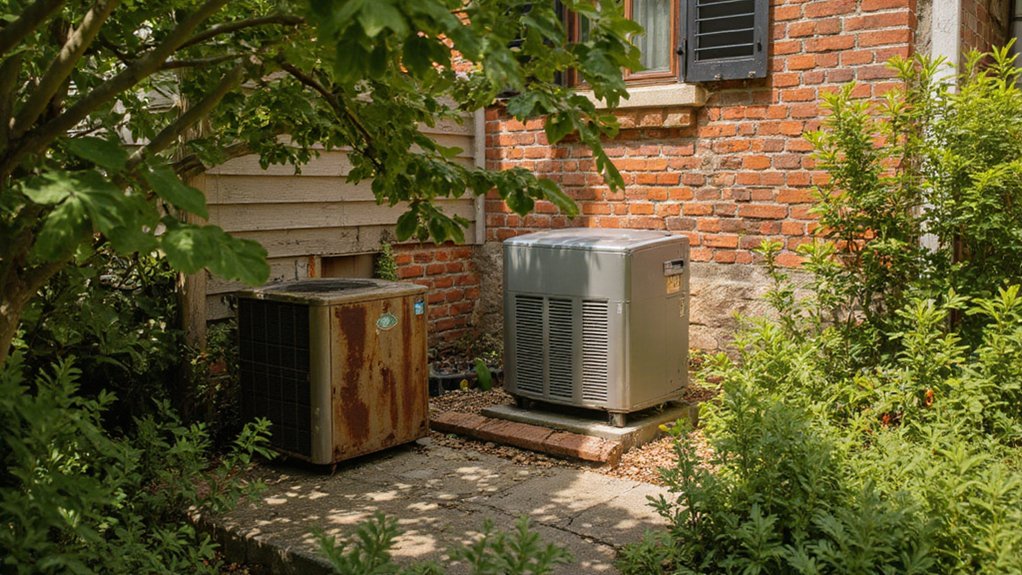
Replacing an outdated home cooling unit is a good opportunity to find an air conditioning system that suits your home’s layout, cooling needs, and budget. The right choice can make a noticeable difference in indoor comfort, monthly electricity bills, and long-term maintenance expenses.
There are several types of AC systems to consider. Central air conditioning works well for homes with existing ductwork and multiple rooms that need consistent cooling. Ductless mini-split systems offer more control over individual rooms, making them a practical option for homes without ducts. Window and portable air conditioners can also work for smaller spaces or rooms that need additional cooling.
Before choosing a replacement, consider how much cooling your home needs, how much installation work is involved, and what you can expect to spend over time. Understanding the differences between these systems will help you choose an option that fits your home and everyday routine.
Key Takeaways
- Consider Your Home’s Size: Your home’s square footage, room arrangement, ceiling height, and insulation all affect the cooling capacity you need.
- Check Energy Ratings: Look for air conditioners with good energy efficiency ratings to help manage electricity bills and reduce unnecessary energy use.
- Look at Ductless Systems: Ductless mini-splits offer flexible installation and separate temperature controls for different rooms.
- Understand Central AC Requirements: Central air conditioning can provide consistent cooling throughout a home, especially when suitable ductwork is already in place.
- Consider Smart Features: Some modern AC systems work with smart thermostats, allowing you to adjust temperatures, set schedules, and monitor energy use.
Factors to Consider When Choosing an AC System
Choosing a replacement air conditioner involves more than comparing models and prices. The system needs to suit your home’s structure, provide enough cooling, and fit your budget.
Start with the size and layout of your home. A small apartment with a few rooms has different cooling requirements from a large house with several bedrooms and living areas. The number of windows, insulation quality, ceiling height, and local climate also affect how much cooling is needed.
Energy consumption deserves attention, too. An older AC unit may use more electricity than a newer model with a better efficiency rating. Replacing it with a suitable modern system can help reduce energy use, especially if the old unit has become less effective over time.
Technology is another factor worth considering. Some air conditioners include smart controls, programmable schedules, and maintenance alerts. These features make it easier to manage indoor temperatures without constantly adjusting the unit.
Think about installation and ongoing maintenance before making a decision. A system that looks affordable at first may require extensive ductwork changes or expensive repairs later. Comparing the full ownership cost will give you a clearer picture of what each option involves.
Types of AC Systems and How They Compare
Different air conditioning systems are designed for different spaces and cooling requirements. Knowing how they work can help narrow down your choices.
Central air conditioning uses a network of ducts to distribute cooled air throughout the home. It is often suitable for larger properties where several rooms need cooling at the same time. The main requirement is suitable ductwork.
Ductless mini-split systems use indoor units connected to an outdoor compressor. They don’t need traditional air ducts, and each indoor unit can serve a separate room or zone. This makes them useful for older homes, additions, and properties with limited space for duct installation.
Window air conditioners fit into a window opening and cool the room where they are installed. They are usually less expensive than whole-home systems and can work well in bedrooms, small apartments, and other compact spaces.
Portable air conditioners are freestanding units that can be moved between rooms. They usually require an exhaust hose connected to a suitable window opening. Their cooling capacity is generally more limited than that of central or ductless systems.
Smart home compatibility is worth checking when comparing newer models. Some systems allow smartphone control, scheduled operation, and voice commands. These features can make temperature management easier, though they should not be the main reason for choosing a particular system.
The right option depends on the amount of space you need to cool, your existing home infrastructure, and how you use different rooms throughout the day.
Central Air Conditioning: Advantages and Drawbacks for Homeowners
Central air conditioning remains a common choice for homes that need cooling across several rooms. It uses a central cooling unit and a duct network to distribute conditioned air through vents.
One of its main advantages is consistent cooling throughout the home. Instead of operating separate units in different rooms, homeowners can manage indoor temperatures through a central thermostat.
Modern central AC systems can also offer good energy performance. Some models use variable-speed compressors that adjust their output according to cooling demand. Rather than operating at full capacity all the time, the system can change its output to maintain the selected temperature.
There are a few drawbacks to consider. Central AC requires suitable ductwork, and older ducts may need repairs or replacement. Poorly sealed ducts can allow cooled air to escape, increasing energy use and making some rooms harder to cool.
The initial installation cost can also be higher than that of a window or portable unit. Homeowners should account for the equipment, labor, ductwork changes, electrical work, and any other modifications needed.
Energy Efficiency Considerations
Energy efficiency can affect how much you spend on electricity over the life of your air conditioner.
When comparing central AC systems, check their SEER ratings. SEER stands for Seasonal Energy Efficiency Ratio and measures cooling performance across a typical cooling season. A higher rating indicates better seasonal energy performance under the applicable testing conditions.
Models with SEER ratings above 16 are worth considering when comparing higher-efficiency options. The right rating for your home will depend on the climate, electricity prices, equipment cost, and how frequently you use the system.
Variable-speed compressors are another feature to look at. They can adjust cooling output based on indoor conditions rather than switching between full power and complete shutdown. This may help maintain more consistent temperatures and reduce unnecessary energy use.
You can also check whether government programs or local utility providers offer rebates or tax incentives for energy-efficient AC replacements. Eligibility and available amounts vary by location, so check the current requirements before including any incentive in your budget.
Installation and Maintenance Costs
The cost of installing central air conditioning depends on the condition of your existing system and the work required.
If your home already has suitable ductwork, replacing an old central AC unit may involve less work than installing a complete system from scratch. Homes without ducts may need additional construction, which can increase the total expense.
Installation estimates should include equipment, labor, electrical connections, duct inspections, and any required modifications. Ask for a written breakdown so you can understand what the quoted price covers.
Maintenance is another ongoing expense. Regular inspections, filter changes, coil cleaning, and refrigerant checks help keep the system operating as intended. Skipping maintenance can lead to poor airflow, higher energy consumption, and avoidable repairs.
Some homeowners budget for annual professional maintenance based on a percentage of the system’s purchase price. Actual costs depend on the service provider, equipment type, and condition of the unit.
Choosing a suitable system and keeping up with routine care can help control long-term ownership costs.
Ductless Air Conditioning Systems: Are They Right for Your Home?
Ductless mini-split systems are worth considering when installing traditional ductwork is difficult or unnecessary.
These systems have an outdoor compressor connected to one or more indoor air-handling units. Each indoor unit delivers cooled air directly into the room where it is installed.
One of their main advantages is separate room temperature control. You can cool a bedroom without running the system in an unused guest room. This approach can help reduce electricity use when only certain areas of the home need cooling.
Ductless systems also offer more flexibility during installation. They don’t require a network of air ducts, so they can work well in older houses, renovated properties, and room additions.
Energy Efficiency Benefits
Ductless AC systems can offer good energy performance, especially when homeowners use their individual room controls sensibly.
Traditional ducted systems can lose some cooled air through leaks or poorly insulated ducts. Ductless systems avoid this particular issue because they deliver cooled air directly into the room.
Zone cooling is another advantage. Instead of cooling the entire property, you can operate only the indoor units serving occupied spaces. This can reduce unnecessary electricity consumption.
Some ductless models also include inverter technology. The compressor adjusts its speed according to the cooling demand, helping maintain the selected temperature without repeatedly operating at full capacity.
Pairing the system with a compatible smart thermostat or control app can make temperature management easier. You may be able to create schedules, change settings remotely, and reduce cooling when certain rooms are not in use.
Installation Flexibility Options
Ductless mini-split systems are suitable for many home layouts because they require relatively little structural work.
The indoor units are usually mounted on a wall, ceiling, or another approved location. Refrigerant lines and electrical connections run between the indoor units and the outdoor compressor through a small opening in the wall.
This arrangement can be useful when adding AC to an older property that doesn’t have existing ducts. It can also work well for extensions, converted garages, and rooms that are difficult to connect to a central cooling system.
Some systems support multiple indoor units connected to one outdoor compressor. This allows homeowners to create separate cooling zones throughout the property.
Before installation, check the available mounting space, outdoor unit location, electrical requirements, and refrigerant line routes. A qualified installer can assess these details and recommend a suitable arrangement.
Understanding the Cost of Ductless Systems
Ductless mini-split systems can have a higher upfront price than some traditional air conditioning options. The total cost depends on the number of indoor units, cooling capacity, equipment features, and installation requirements.
A single-zone system will usually cost less than a multi-zone setup with several indoor units. If you need cooling in multiple rooms, ask for a complete quotation that includes every indoor unit and the outdoor compressor.
The initial expense should be compared with expected energy costs over time. Separate room controls may help reduce electricity use, especially when some rooms remain unoccupied for much of the day.
Maintenance costs also need attention. Filters require regular cleaning, and the indoor and outdoor components should be inspected periodically. Professional servicing helps identify issues before they turn into larger repair jobs.
Compare the purchase price, installation charges, electricity consumption, and maintenance requirements before deciding whether a ductless system fits your budget.
Window Air Conditioners: An Affordable Choice for Smaller Rooms
Window AC units are a practical option when you need to cool one room without installing a whole-home system.
These units are fitted into a suitable window opening, with the cooling components housed in a single cabinet. They are commonly used in bedrooms, small apartments, home offices, and other compact spaces.
One advantage is the relatively simple installation process. Many models can be installed without extensive construction, although larger or heavier units may need professional assistance.
Before purchasing, check the unit’s cooling capacity and make sure it matches the room size. An undersized unit may struggle to maintain a comfortable temperature, while an oversized model may cycle too frequently.
The window frame should support the unit properly. Once installed, seal gaps around the edges with suitable weather stripping to prevent warm air from entering.
Regular filter cleaning is also necessary. Dust buildup can restrict airflow and affect cooling performance. Follow the manufacturer’s cleaning instructions and check the unit periodically for signs of wear.
Window AC systems may not be suitable for cooling an entire home, but they can be a practical choice when only one or two rooms need air conditioning.
Portable Air Conditioners: Flexible Cooling for Different Rooms
Portable air conditioners offer another option for homeowners who need temporary or room-specific cooling.
Unlike window units, portable models stand on the floor and can be moved when required. Most come with an exhaust hose that connects to a window kit, allowing warm air to leave the room.
They are useful for rented properties, temporary living arrangements, and rooms where permanent AC installation isn’t possible.
A Simple Setup Process
Portable air conditioners are usually straightforward to set up. Most models include a window installation kit, an exhaust hose, and instructions explaining how to connect the components.
You’ll need to position the unit near a suitable window and attach the exhaust hose. The window kit helps direct warm air outside while reducing the amount of outside air entering the room.
Make sure the hose is connected securely and isn’t bent or blocked. Poor exhaust arrangements can affect cooling performance.
Once the unit is in place, connect it to a suitable electrical outlet according to the manufacturer’s instructions. Avoid using extension cords unless the manufacturer specifically permits them.
The setup is generally less involved than installing central AC or a ductless system, which makes portable units useful for short-term cooling needs.
Cooling Options for Different Rooms
One of the main reasons people choose portable AC units is their mobility.
You can move the unit from a living room to a bedroom when needed, provided the new room has a suitable window arrangement for the exhaust hose.
Some newer models include smartphone controls, programmable schedules, and remote operation. These features make it easier to adjust settings without having to operate the unit manually.
Before buying, check the cooling capacity and recommended room size. Portable units generally have more limited cooling power than central and ductless systems, so they may not be suitable for large open areas.
Also consider the noise level, water drainage requirements, and available floor space.
Energy Use and Routine Care
Portable AC units vary in energy performance. Compare their EER ratings, which indicate how much cooling a unit provides for the electricity it consumes under specified conditions.
A higher EER generally indicates better energy performance. Still, the actual electricity cost will depend on the unit’s capacity, operating hours, room conditions, and local electricity rates.
Keep the air filter clean and inspect the exhaust hose regularly. Some models also collect moisture that needs to be drained, while others use systems that manage condensate automatically.
Routine care helps maintain airflow and keeps the unit operating as intended.
Comparing Energy Efficiency Ratings for AC Units
Energy ratings are worth checking before purchasing a replacement air conditioner. They give you a way to compare how much electricity different models may use.
SEER ratings are commonly used to measure seasonal cooling efficiency. A higher SEER rating indicates that the system provides more cooling for the electricity consumed over the testing period.
EER ratings measure performance under specific operating conditions. They can be useful when comparing units that will operate in consistently hot conditions.
You should also look for inverter technology when comparing compatible models. Inverter-based systems adjust compressor speed according to cooling demand, rather than relying only on repeated full-power starts and stops.
ENERGY STAR certification is another label to check where applicable. It identifies products that meet specified energy performance requirements.
An energy audit can also help you understand your home’s cooling requirements. It may identify insulation problems, air leaks, and other issues that make your AC work harder than necessary.
Before making a purchase, compare the equipment’s energy rating with its purchase price and expected running cost. A more expensive model may use less electricity, but the savings will depend on how often you operate it.
Installing Your New AC System: Practical Tips
Proper installation has a direct effect on how well your new air conditioner performs.
Start by making sure the system has the correct cooling capacity for your home. Choosing a unit based only on square footage can lead to problems because insulation, ceiling height, window placement, and local temperatures also affect cooling requirements.
A qualified AC technician can assess these factors and recommend suitable equipment.
If you’re installing a smart thermostat, check that it is compatible with your new system. Once connected, you can set temperature schedules and adjust cooling remotely, depending on the features available.
The installation team should also inspect electrical connections, refrigerant lines, drainage arrangements, and airflow. Refrigerant handling should be left to qualified technicians.
After installation, ask the technician to explain the controls, filter cleaning schedule, and any maintenance requirements specific to your model.
Keep the outdoor unit clear of leaves, dirt, and other debris. Make sure there is enough open space around it for proper airflow.
Replace or clean filters according to the manufacturer’s instructions. Arrange professional servicing before periods of heavy use so the system can be checked and cleaned.
What to Expect When Comparing AC Replacement Costs
The cost of replacing an AC system depends on the equipment, cooling capacity, installation work, and features you choose.
The following figures are broad estimates from the original draft. They should not be treated as fixed quotations because prices vary by location, brand, system size, and labor charges.
- Central air conditioning: Around $3,500 to $7,500.
- Ductless mini-split systems: Around $2,000 to $5,000.
- Portable air conditioners: Starting at approximately $200.
Window units are also generally less expensive than whole-home systems, although the purchase price depends on their cooling capacity and features.
When comparing prices, don’t focus only on the equipment cost. Include installation, electrical work, duct modifications, and any other required changes.
It also helps to estimate future electricity and maintenance expenses. A less expensive unit may cost more to operate, while a higher-efficiency model may reduce monthly energy use.
Ask installers for written quotations that clearly explain what is included. Comparing similar equipment and installation work will make it easier to understand the differences between offers.
Maintaining Your AC System for a Longer Service Life
Regular maintenance helps your air conditioner operate properly and can reduce the risk of unexpected breakdowns.
Start by cleaning or replacing the air filter according to the manufacturer’s recommendations. Some filters need monthly attention during periods of frequent use, while others have different replacement schedules.
Dirty filters restrict airflow, which can make the system work harder and affect indoor cooling.
The outdoor unit also needs attention. Remove leaves, dust, and other debris from around the equipment. Avoid placing objects too close to the unit, as blocked airflow can affect its operation.
Arrange professional servicing at least once a year, or follow the maintenance schedule recommended by the manufacturer. During an inspection, a technician can check refrigerant levels, clean coils, examine electrical connections, and inspect other components.
Pay attention to changes in the way your AC operates. Unusual sounds, unpleasant smells, water leaks, weak airflow, or rooms that no longer cool properly may indicate a problem.
Addressing these signs early can help prevent more expensive repairs. Keep records of maintenance visits and repairs so you have a clear picture of the system’s condition over time.
Frequently Asked Questions
How Long Can I Expect My New AC System to Last?
Most new air conditioning systems can last around 15 to 20 years with proper maintenance. Actual service life depends on the equipment type, installation quality, climate, and frequency of use.
Regular filter cleaning, professional inspections, and timely repairs can help extend the system’s working life.
What Are Common Signs That My Old AC Needs Replacement?
An older AC may need replacing if it struggles to cool your home, requires frequent repairs, or causes electricity bills to rise without a clear reason.
Other warning signs include unusual noises, inconsistent temperatures, poor airflow, and repeated breakdowns.
If the unit is approaching the end of its expected service life, compare the cost of another repair with the price of installing a replacement.
If your AC struggles to cool your home or needs frequent servicing, professional AC repair may help address the problem before you consider a full system replacement
Are Financing Options Available for New AC Systems?
Many AC installation companies offer financing plans for homeowners who don’t want to pay the full replacement cost upfront.
Available options may include monthly payment plans, promotional interest rates, or longer repayment periods. Terms vary between providers.
Before agreeing to a plan, check the interest rate, repayment period, fees, and total amount payable. This will help you understand the full financial commitment.
Can I Install a New AC Unit Myself?
Some smaller air conditioning units, such as certain window models, can be installed by homeowners who follow the manufacturer’s instructions.
Larger systems require more technical work. Central AC and ductless mini-split installations involve electrical connections, refrigerant lines, drainage, and other components that should be handled by qualified professionals.
Check local building codes, permit requirements, and safety rules before starting any installation work. Incorrect installation can affect performance, damage equipment, and create safety risks.
What Warranties Should I Look for in an AC System?
Check what the manufacturer’s warranty covers before purchasing a new air conditioner.
Many warranties cover specific parts for a set period, while compressor coverage may have separate terms. Labor charges may not be included.
Read the warranty conditions carefully and check whether registration, professional installation, or regular servicing is required to keep the coverage valid.
You can also ask the installer whether they provide separate labor or installation warranties.
Conclusion
Choosing the right AC system to replace an outdated home cooling unit comes down to your home’s layout, cooling requirements, installation conditions, and budget.
Central air conditioning can be a suitable choice for larger homes with existing ductwork. Ductless mini-split systems offer room-by-room temperature control and work well in properties without traditional ducts. Window and portable units are worth considering when you only need to cool smaller spaces.
Before making a decision, compare cooling capacity, energy ratings, installation expenses, and ongoing maintenance requirements. A qualified AC technician can assess your home and help you choose a system that suits your needs.
Regular filter cleaning and professional servicing will also help keep your new unit in good working condition for years to come.