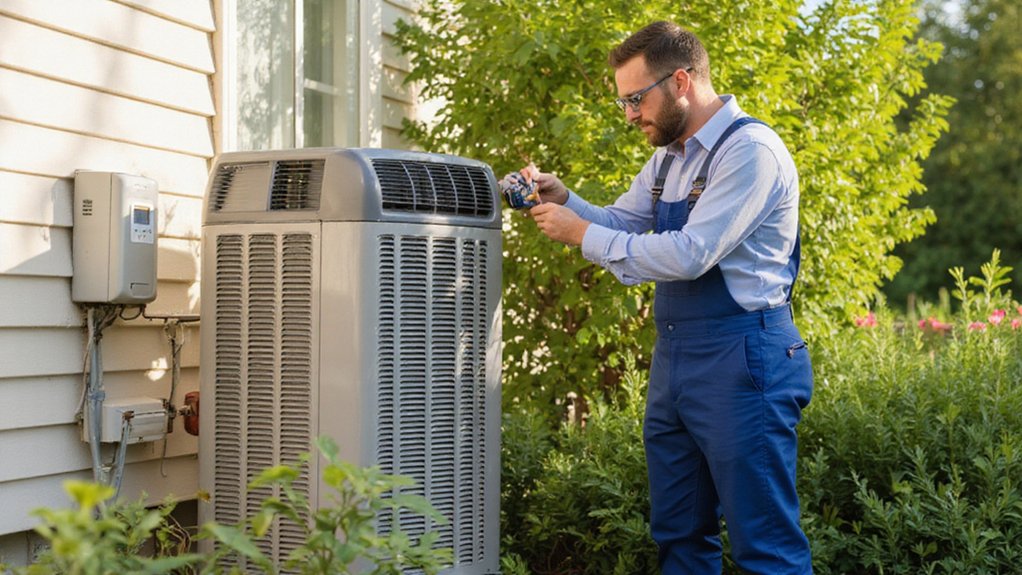
An AC tune-up may address maintenance issues that waste energy, but savings are not guaranteed. Learn what a useful visit checks and when repair is needed.
QUICK ANSWER
A tune-up can help energy use when it finds and corrects a maintenance issue such as a dirty coil, restricted airflow, or a control problem. It cannot guarantee a lower bill or repair every fault. Ask what the visit includes, whether cleaning or parts cost extra, and what readings the technician will document. If the AC is not cooling, short-cycling, or making unusual noises, request diagnosis rather than relying on a routine tune-up alone.
Maintenance can address specific conditions, but savings depend on what is found and how the home is used.
Homeowners often book maintenance hoping to make the AC more efficient and avoid a summer breakdown. That is reasonable, but a tune-up is not a guaranteed utility-bill discount. Its value depends on system condition, the work performed, and whether any correctable issue is found. Here is how to judge the service and connect it to a real energy concern.
What a tune-up is meant to do
A professional maintenance visit checks the system, performs specified cleaning or adjustments, and identifies concerns that may need repair. The exact list differs by company, equipment, access, and offer. ENERGY STAR publishes a maintenance checklist covering filters, coils, electrical connections, condensate drains, controls, and other tasks. Review its maintenance checklist when comparing services.
A tune-up can help a system operate as intended when it corrects a problem within the included scope. It cannot reverse normal aging, fix a hidden duct leak unless that work is included, or guarantee that no component will fail later.
Ask for the provider’s written checklist before scheduling. Clarify whether indoor coil cleaning, outdoor coil cleaning, drain clearing, refrigerant diagnostics, filter replacement, and repairs are included or priced separately.
If cooling has changed, ask whether the appointment is maintenance or diagnostic repair.
When maintenance may help energy use
If the filter is dirty, airflow is restricted, coils are fouled, the thermostat is misconfigured, or a serviceable connection needs attention, correcting that condition may improve performance. The effect depends on how severe the issue was and whether other system or home problems remain.
A clean and properly working system may still use a lot of electricity during an unusually hot period, in a home with high heat gain, or when the thermostat is set lower than usual. Bill totals also reflect billing days and utility charges. Maintenance does not control these factors.
Track kWh, billing days, weather, thermostat setting, and comfort before and after service. Compare similar periods where possible. One bill is not enough to prove a tune-up caused a change.
When you need a repair diagnostic instead
If the system is not cooling, the indoor coil freezes, the outdoor unit fails to start, the breaker trips, the unit short-cycles, or there is a burning smell or water leak, describe the symptom when booking. A routine tune-up may not include the diagnostic testing or repair needed.
Ask the company which appointment type is appropriate and whether diagnostic charges apply. If a repair is proposed, request the cause, test results, written price, and warranty. A repair estimate should be separate from optional maintenance additions.
The system is operating and due for routine maintenance.
Which inspection, cleaning, and measurements are included?
Repair diagnostic
The system has a fault or a new performance symptom.
What test confirms the issue, and what repair is quoted separately?
Home-efficiency review
System checks do not explain comfort or usage patterns.
Can ducts, insulation, air leakage, or solar gain be evaluated?
How to compare tune-up offers
Visit scope: Which components are inspected, cleaned, tested, or measured?
Equipment limits: Does the price apply to one system, one AC, or multiple systems?
Fees: Are travel, diagnostic, after-hours, refrigerant, or cleaning charges extra?
Repairs: Is repair work included, discounted, or separately quoted?
Documentation: Will the technician provide findings and readings?
Restrictions: Does a coupon exclude weekends, working systems, or certain equipment?
A low advertised price may be a limited inspection, while a membership may include two visits and service benefits in exchange for a recurring commitment. Compare total annual cost and the actual task list, not just the headline number.
ASC’s VIP membership plans show the company’s current plan terms. Check the live page for current pricing, eligibility, and agreement conditions before enrolling.
What homeowners can do between visits
Check the filter regularly, especially during heavy-use months, and replace or clean it as directed. Keep return grilles clear, avoid blocking supply vents, and keep the outdoor unit free of stored items and loose debris. ENERGY STAR recommends checking filters monthly during periods of heavy use.
Use the thermostat consistently and avoid extreme set-point changes. Close doors and windows while cooling, use window coverings when direct sun heats a room, and note any room that remains uncomfortable. Those details can indicate a duct or home-load issue.
Do not open electrical panels, clean indoor coils with household chemicals, handle refrigerant, or bypass safety controls. If the system ices or trips a breaker, stop and request qualified service.
How to know whether the visit was useful
The service report should describe what was inspected, what was cleaned or adjusted, any measurements that matter, and any items that require follow-up. If the technician found no fault, that should be stated clearly rather than inventing a repair need.
If a repair is recommended, ask how it relates to the high bill or comfort symptom. A capacitor, motor, refrigerant issue, dirty coil, or duct problem each requires a different explanation. Ask what happens if you defer the work and what the warranty covers.
Afterward, record the visit date and compare system behavior over similar weather. A tune-up can support proper operation; a lower bill is not automatic and should not be promised.
Visual guide
A useful tune-up visit follows this sequence
1InspectReview filter, coils, airflow, controls, and safety items.
2MeasureRecord operating checks relevant to the equipment.
3ExplainSeparate findings from optional recommendations.
4DocumentProvide service notes and any repair estimate.
A clear process helps you evaluate the visit; it cannot guarantee a lower bill.
How to evaluate the result without guessing
Write down the visit date, outdoor conditions, thermostat setting, indoor temperature, and any work completed. If a technician made a repair, note whether it changed the symptom: Did the system reach the set point? Did airflow improve? Did unusual cycling stop? These observations help you decide whether a follow-up is needed.
When the next utility bill arrives, compare kWh per day and the number of billing days with a similar period. A lower total may simply reflect cooler weather or fewer days, while a higher total may reflect a heat wave despite a repaired fault. Keep the invoice and bill together so you can review both the service result and the usage trend.
If the original problem remains, contact the company with the service report and specific symptoms. Ask whether the technician recommends another diagnostic step, a duct evaluation, or a home-efficiency check. Avoid assuming that the tune-up failed or succeeded based on the dollar amount alone; the bill reflects many factors beyond the equipment.
San Antonio context: heat, usage, and utility questions
Long stretches of hot weather can increase cooling demand across the home. When a bill rises, compare kWh per day and billing-period length before assuming the AC has failed. Ask CPS Energy about charges, usage data, or current conservation programs directly; the utility controls program terms.
For equipment issues, give the technician your bill dates and symptoms. For an efficiency concern without a clear mechanical failure, ask whether the evaluation can include airflow and duct delivery rather than only a basic inspection.
Before the technician leaves, ask for a copy of the checklist or report. It should make clear which equipment was serviced, what the technician inspected, what was cleaned or adjusted, and what conditions were measured. If work could not be completed because access was blocked or the equipment was unsafe, that limitation should be recorded.
The report should separate observations from recommendations. For example, “outdoor coil has visible debris” is an observation; “cleaning recommended” is a proposed action. If an electrical component is out of specification, the report should identify the reading and the manufacturer’s acceptable range where applicable. A homeowner does not need every technical detail, but should be able to understand why an additional repair is being offered.
Ask whether the tune-up includes testing refrigerant conditions or only a visual check. Refrigerant readings can be misleading unless interpreted with operating conditions and equipment requirements. A tune-up coupon may exclude diagnostics, refrigerant, repairs, or deep cleaning; the written terms should say so.
Good documentation is useful during the next service visit and when comparing bills. Keep the report with the invoice, note when the filter was changed, and write down the outdoor temperature and thermostat setting if a performance problem continues. This gives the next technician a clearer starting point and reduces repeated guesswork.
Is a maintenance plan better than a one-time tune-up?
A one-time visit fits a homeowner who wants a single inspection or has a system that is due for service. A plan may fit someone who wants scheduled seasonal visits and member fees or repair benefits. Compare the total annual price, cancellation terms, included systems, unused-visit rules, and exclusions.
Do not buy a plan solely on a savings promise. Ask whether benefits apply to the repair you may need and whether repair discounts have caps. Maintenance plans generally do not mean every repair is covered.
Read the agreement, not only the advertisement. ASC publishes its VIP maintenance plan details online; verify the current terms before choosing.
A straightforward answer
Yes, a tune-up may lower energy waste if it corrects a real maintenance issue. No, it cannot guarantee a lower electric bill. The strongest value is a clearly defined visit, documented findings, and a technician who separates maintenance from repair recommendations.
Track electricity use and system comfort, then book the right visit for the symptom. If cooling performance changed, start with diagnosis. If the system works normally and is due for planned care, compare tune-up checklists and plan terms.
How to prepare so the technician can focus on the right work
Before the appointment, take a photo of the filter label and write down the date it was last changed. Note the system type if known, the thermostat setting, any unusual room temperatures, and whether the concern is weak cooling, high usage, odor, water, or noise. Mention whether the equipment is still operating; if it is not, describe what happens when it tries to start.
Ask whether the advertised tune-up price applies to your equipment and number of systems. If your home has separate upstairs and downstairs units, a heat pump, or ductless equipment, confirm the quote covers the equipment you want serviced. Ask whether the technician can provide a separate diagnostic estimate if the inspection reveals a fault.
Make access clear to the thermostat, indoor equipment, and outdoor unit. Move stored items away from the equipment, secure pets, and tell the technician about any areas where water leaks or ceiling stains have appeared. Good access helps the visit proceed safely and avoids a rushed inspection.
At the end, ask the technician to review the checklist and distinguish work completed from work proposed. A clear report lets you decide whether to approve a repair, schedule another visit, or simply continue monitoring the system.
Frequently asked questions
Will an AC tune-up reduce my electric bill?
It may help if the visit corrects a maintenance condition that is affecting performance. Weather, home condition, thermostat use, and utility charges also affect the bill, so savings are not guaranteed.
What should an AC tune-up include?
Ask for the provider’s written checklist. A professional visit may inspect filters, airflow, coils, electrical connections, controls, condensate drainage, and system operation; exact scope varies.
How often should I schedule AC maintenance?
Follow the equipment manufacturer’s guidance and warranty terms. ENERGY STAR recommends professional pre-season heating and cooling checkups and monthly filter checks during heavy-use months.
Is a tune-up the same as an AC repair?
No. Maintenance is planned inspection and care. A repair visit diagnoses a symptom or failure and may include additional testing and separately priced work.
Should I get a tune-up if my AC is not cooling?
Tell the company about the no-cooling symptom when booking. The system may need diagnostic service rather than a routine maintenance appointment.
Want an HVAC professional to check the system?
Tell ASC what changed, how the system is running, and what you found when comparing your bill. We can discuss the appropriate next step for your San Antonio property.
Ron Carter has more than 20 years of hands-on HVAC experience as a technician, instructor, sales manager, and business owner. He leads ASC Heating & Air, a family-owned company serving San Antonio. Ron is a licensed Air Conditioning and Refrigeration Contractor in Texas (License No. TACLB00031551E). His articles share practical guidance to help homeowners make informed decisions about heating, cooling, and preventative maintenance.