

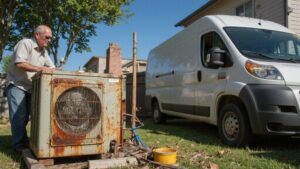
Replacing an air conditioning system is a major home project, so knowing when to bring in a contractor can save you from unnecessary costs and trouble. An aging AC unit may start using more energy, need repairs more often, or struggle to keep your home comfortable.
If those problems keep coming back, replacing the system may make more sense than continuing to repair it. A contractor can also handle the technical side of the installation, including electrical work, refrigerant, equipment sizing, permits, and local building requirements.
Knowing when professional help is needed makes it easier to plan the replacement and avoid problems later.
Key Takeaways
- Consider hiring a contractor when your AC becomes less effective, uses more energy, or needs frequent repairs.
- Professional installation can reduce the chance of electrical, refrigerant, and equipment-related problems.
- Local HVAC codes and permit requirements may apply to an AC replacement.
- If you don’t have experience working with HVAC equipment, professional installation can help prevent expensive mistakes.
- A contractor can help with permits, installation documents, equipment specifications, and other project requirements.
Urgent Signs That You Need a New AC System
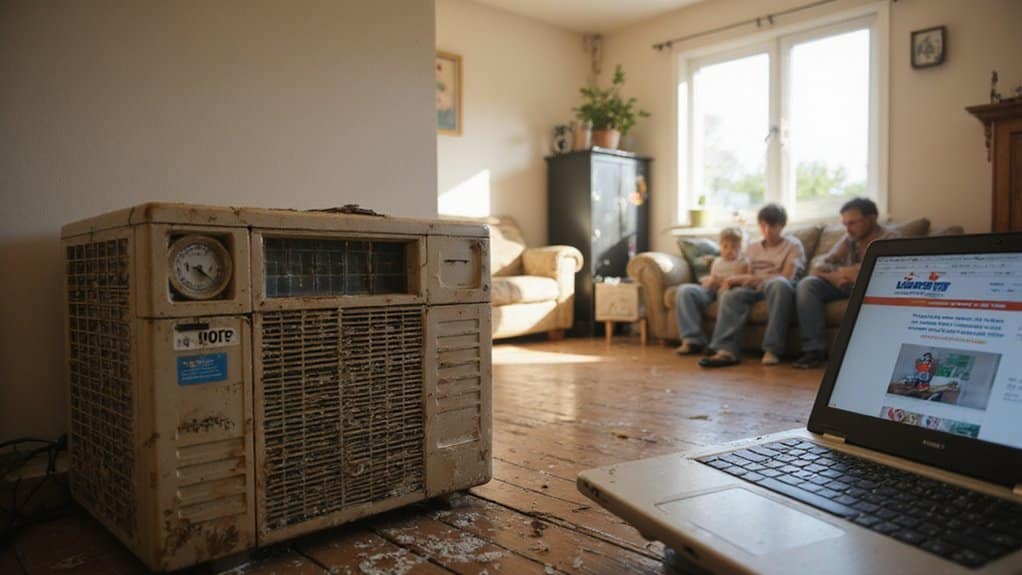
When an air conditioning system starts struggling, some warning signs are easy to dismiss. A small drop in cooling performance might not seem like a reason to replace the unit right away. But when several problems appear at the same time, it may be worth looking at replacement options.
One common sign is a noticeable change in cooling performance. If your AC runs for long periods but still can’t keep rooms at the temperature you want, the system may be nearing the end of its useful life.
Rising energy bills can be another clue. An older system may need to work harder to provide the same amount of cooling it once delivered. If your usage hasn’t changed much but your electricity costs continue to rise, your AC could be part of the problem.
Frequent repairs are another reason to consider replacement. One repair doesn’t necessarily mean you need a new unit. When repair calls become regular and the costs start adding up, replacing the system may be a more sensible choice.
Age matters, too. Many residential AC systems last around 10 to 15 years, although actual service life varies based on maintenance, usage, installation, and other factors. An older system with several ongoing problems deserves a closer look.
Don’t wait for a complete breakdown if the warning signs are already piling up. Planning a replacement ahead of time gives you more time to compare equipment, get estimates, and prepare your home for the installation.
If your home uses a heat pump instead of a traditional AC system, recurring cooling problems may also be a reason to consider professional heat pump repair before deciding on a replacement.
Why DIY AC Replacement Can Be Risky
Replacing an AC system isn’t the same as replacing a household appliance. The work can involve electrical connections, refrigerant, drainage, airflow, equipment sizing, and other technical details.
A mistake during installation can create safety concerns or leave the system running poorly. For example, an incorrect electrical connection can damage equipment or create a fire hazard. Problems with refrigerant handling can also cause serious issues if the work isn’t performed correctly.
Equipment that hasn’t been installed properly may use more energy or struggle to cool the home. You could end up paying for repairs shortly after completing what was supposed to be a money-saving DIY project.
There’s also the question of warranties and local requirements. Some manufacturers have specific installation requirements for warranty coverage. Local authorities may also require permits or inspections for certain types of HVAC work.
If you don’t have the training and equipment needed for the job, hiring a qualified contractor is usually the safer choice. You can still take part in the process by comparing systems, reviewing estimates, asking questions, and discussing your cooling needs with the contractor.
Know Your Local HVAC Codes
AC replacement may involve local building, electrical, and mechanical requirements. These rules can vary depending on where you live and the type of work being completed.
Before starting the project, find out whether a permit is required and whether an inspection will be needed after the installation. A contractor familiar with local requirements can help you understand what needs to be completed before, during, and after the work.
Skipping required steps can create problems later, especially if an inspection is required or the installation doesn’t meet local requirements.
Local Code Requirements
Local HVAC requirements can cover several parts of an AC installation. Equipment placement, electrical connections, drainage, refrigerant work, and energy requirements may all be subject to local rules.
The exact requirements depend on your jurisdiction. That’s why it’s worth checking with your local building department before work begins.
You may also need to confirm whether the replacement equipment meets current energy requirements. Installing a system that doesn’t meet applicable rules can result in delays, additional work, or extra expenses.
A contractor who regularly works in your area can help identify the requirements that apply to your project. Even so, it’s a good idea to ask what permits and inspections are included in the project so there are no surprises later.
Permitting Process Explained
The permit process can vary from one location to another. Some AC replacements may require mechanical or electrical permits, while other projects may involve additional documentation.
Start by finding out which permits apply to the work. You may need equipment information, installation details, or other documents as part of the application.
Processing times also vary. Some permits may be handled quickly, while others can take longer depending on the local office and the type of project.
Your contractor may handle the paperwork on your behalf. If that’s part of the agreement, ask what they will submit and whether permit fees are included in your estimate.
Taking care of these details before installation helps prevent avoidable scheduling problems.
Compliance Consequences Explained
Ignoring local HVAC requirements can create more than a paperwork problem. You could face fines, delays, or the need to correct work that doesn’t meet local standards.
An installation that isn’t completed correctly can also cause equipment problems. Poor electrical work, incorrect sizing, drainage issues, or refrigerant problems may lead to repairs and additional expenses.
Warranty coverage can also be affected if installation requirements aren’t followed. Check the terms provided by the equipment manufacturer and ask your contractor about any installation requirements that could affect coverage.
Taking care of permits and code requirements before the work begins can help prevent these problems.
Top Reasons to Hire a Professional for Your AC Replacement
A professional AC replacement involves more than removing an old unit and putting a new one in its place. The contractor needs to make sure the new equipment fits the home, connects correctly, and operates as intended.
Professional help can also make the project easier to manage. You’ll have someone who can explain equipment choices, handle technical work, and help with local requirements.
Expertise and Experience
Experience matters when you’re replacing an AC system. A qualified contractor understands how different HVAC components work together and can identify problems that may not be obvious to a homeowner.
They can also help determine what size system your home needs. Choosing equipment based only on the size of the old unit isn’t always the right approach. Your home’s layout, insulation, windows, ductwork, and other factors can affect cooling needs.
A contractor can also inspect the existing setup before recommending a replacement. If there’s a ductwork problem, electrical issue, or drainage concern, finding it before installation can prevent trouble later.
Ask about the contractor’s license, insurance, certifications, and experience with systems similar to yours. These details can help you choose someone who is prepared for the work.
Proper Equipment and Tools
AC replacement requires tools that most homeowners don’t keep around the house. Contractors may use gauges, vacuum pumps, refrigerant scales, electrical testing equipment, and other specialized tools during installation.
Having the right equipment allows the contractor to take accurate measurements and complete the work properly.
The tools themselves aren’t the only consideration. Knowing how to use them matters just as much. Refrigerant work, electrical testing, and system setup all require training.
Hiring a contractor also means you don’t have to purchase or rent specialized equipment for a one-time project.
Cost Considerations: Contractor vs. DIY
Cost is naturally part of the decision when you’re replacing an AC system. A DIY project may appear less expensive because you aren’t paying for labor. But the total cost can change once you account for tools, permits, mistakes, replacement parts, and your time.
A contractor’s estimate generally includes labor and installation work. Depending on the company and project, it may also include permit handling, removal of the old equipment, warranty coverage, or other services.
Professional installation can also reduce the chance of problems caused by incorrect setup. An improperly installed system may need repairs or adjustments, which can add to the overall cost.
Time is another factor. An experienced contractor may complete the installation within a day, depending on the system and the condition of the existing setup. A homeowner doing the work for the first time may need much longer.
Before deciding, compare the full cost of both options. Think about the tools you’ll need, the work involved, the permits required, and whether you’re comfortable handling electrical and HVAC components.
Choose the Right HVAC Contractor
Finding a contractor isn’t just about choosing the lowest estimate. You want someone who can clearly explain the work, provide the necessary credentials, and give you a written breakdown of the project.
Start by checking the contractor’s license and insurance. If certifications are relevant to the equipment or work being performed, ask about those as well.
Get more than one estimate when possible. Comparing several quotes can give you a better idea of what the project should include and what different contractors charge for the work.
Read customer reviews, but don’t rely on reviews alone. Ask whether the contractor can provide references or examples of similar AC replacement projects.
A written estimate should explain what you’re paying for. Look for information about the equipment, labor, permits, removal of the old unit, warranty coverage, and any work that may be needed beyond the standard installation.
Communication also matters. If a contractor avoids questions, gives vague answers, or pressures you to make a decision immediately, consider looking at other options.
If you’re considering replacing an aging AC with a system that can provide both heating and cooling, ask the contractor whether heat pump installs are suitable for your home.
How to Prepare for Your AC Replacement Project
Once you’ve selected a contractor, a little preparation can make installation day easier.
Start by reviewing your budget. Leave some room for unexpected work, especially if the contractor finds issues with ductwork, wiring, drainage, or other parts of the existing system.
Talk with the contractor about the expected installation schedule. Ask when the crew will arrive, how long the work should take, and whether you’ll need to make arrangements for access to the home.
Clear the area around the existing indoor and outdoor equipment. Remove furniture, boxes, plants, or other items that could make it harder for the crew to reach the equipment.
Make sure the contractor can access the electrical panel and other areas needed for the installation. If gates or locked areas are involved, arrange access before the crew arrives.
It’s also worth discussing any concerns before work begins. If certain rooms don’t cool well, you’ve noticed unusual noises, or you have concerns about airflow, let the contractor know. These details can help them understand what you’re experiencing and assess the system more thoroughly.
Frequently Asked Questions
How Long Does an AC Replacement Typically Take?
A typical AC replacement may take several hours, often around four to eight hours for a straightforward installation. The actual time depends on the equipment, home layout, existing connections, ductwork, electrical work, and other project details.
If additional repairs or modifications are needed, the installation may take longer. Your contractor should give you a more specific time estimate after inspecting the existing system.
What Is the Average Lifespan of an AC Unit?
A residential AC unit typically lasts about 10 to 15 years. Regular maintenance can help keep the system running well, but age isn’t the only factor that determines when replacement is needed.
Frequent repairs, poor cooling, rising energy costs, and repeated breakdowns can all indicate that an older system may be nearing the end of its useful service life.
Can I Finance My New AC System Installation?
Financing may be available for a new AC installation. Some HVAC companies offer payment plans that allow homeowners to spread the cost over time.
If you’re considering financing, review the interest rate, payment amount, fees, loan length, and total amount you’ll pay. Don’t look only at the monthly payment when comparing options.
What Brands Do Contractors Recommend for AC Systems?
Contractors may recommend brands such as Trane, Carrier, and Lennox, among others. The right choice depends on your home, budget, cooling needs, equipment availability, and the contractor’s experience with different systems.
Instead of choosing a brand based only on its name, ask the contractor to explain why a particular system is suitable for your home. Compare the equipment’s features, warranty, expected operating costs, and installation requirements.
Are There Warranties on New AC Installations?
New AC systems commonly come with manufacturer warranties covering certain parts for a specified period. Some contractors may also provide separate coverage for their installation work.
Warranty terms vary, so read the paperwork before agreeing to the installation. Ask what is covered, how long coverage lasts, and whether any maintenance or registration requirements apply.
Conclusion
Knowing when to replace an AC system can help you avoid putting more money into a unit that’s nearing the end of its service life. Rising energy bills, frequent repairs, poor cooling, and an aging system are all reasons to have the equipment inspected.
DIY replacement may look like a way to reduce costs, but AC systems involve electrical work, refrigerant, specialized tools, and local requirements. Without the right experience, mistakes can lead to safety concerns, poor system performance, or additional repair costs.
A qualified contractor can assess your current system, recommend suitable replacement equipment, handle the installation, and help with permits and local requirements. Taking time to compare contractors and understand the project before work begins can make the replacement process much easier.