

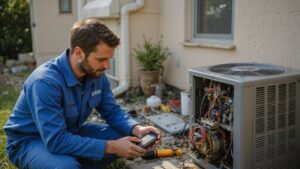
When your AC compressor starts giving you trouble, it can be hard to know whether you need a professional or can handle the repair yourself. Compressor replacement isn’t a simple part swap. It involves refrigerant, electrical connections, system pressure, and several components that need to work together properly.
Strange noises, weak cooling, frequent cycling, or rising energy bills can all point to compressor trouble. Some problems may come from another part of the system, though, so replacing the compressor without a proper diagnosis can end up costing more than necessary.
If you’re thinking about replacing the compressor yourself, take a close look at the tools, safety concerns, and technical work involved. In many situations, professional service is the safer choice.
Key Takeaways
- If you don’t have HVAC experience or technical knowledge, hiring a professional can help prevent expensive mistakes during AC compressor replacement.
- Refrigerant lines and electrical connections need to be handled carefully during installation.
- The replacement compressor must match the AC system’s specifications. The wrong component can cause poor performance or damage.
- Refrigerant recovery and handling require the right equipment and procedures.
- Regular inspections can help identify compressor problems early and may prevent a full replacement.
What Are the Signs Your AC Compressor Needs Replacement?
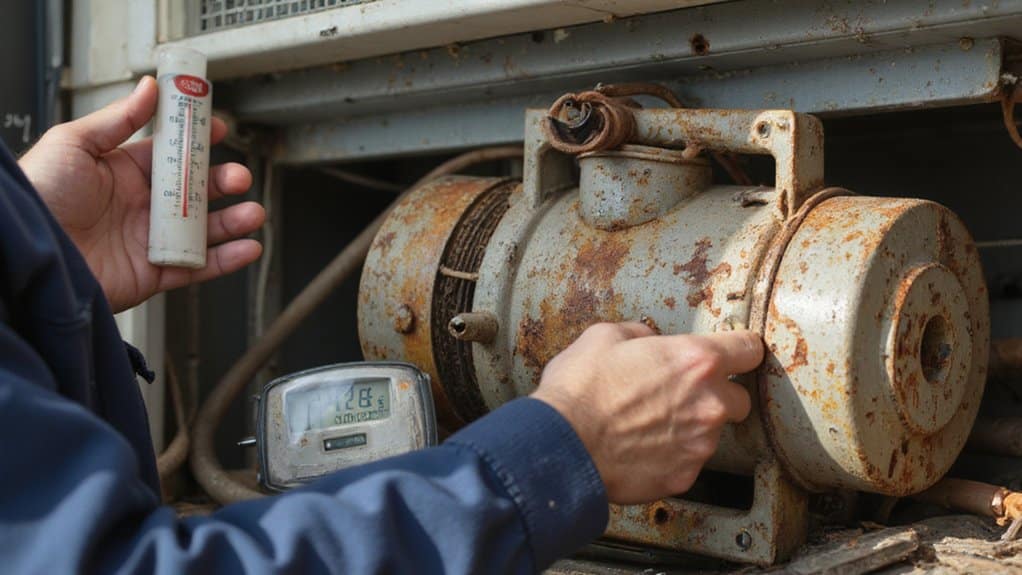
How can you tell if your AC compressor is on its last legs? Watch for common compressor failure signs.
Poor cooling is one of the most noticeable warning signs. If your AC runs for long periods but the room never reaches the temperature you’ve set, the compressor could be struggling. It’s also possible that another part of the system is causing the problem, so a proper diagnosis matters.
Unusual sounds are another reason to pay attention. Grinding, squealing, rattling, or other sounds that weren’t there before may point to internal compressor damage or another mechanical problem.
Frequent cycling can also be a warning sign. When an AC repeatedly turns on and off without properly cooling the space, the compressor may be under strain. The cause could also involve airflow, electrical components, refrigerant levels, or the thermostat.
A noticeable increase in energy bills is worth checking, too. When an AC system isn’t working properly, it may need to run longer to maintain the desired temperature. That extra run time can increase energy use.
Refrigerant leaks should never be ignored. A leak doesn’t automatically mean the compressor has failed, but it can affect the way the entire system operates and may contribute to compressor problems over time.
These symptoms don’t always mean you need a new compressor. A technician can test the system and determine whether the compressor is actually the source of the problem.
Why Your AC Compressor Is Essential
Your AC compressor is a central part of the cooling system. It moves refrigerant through the system and helps the AC transfer heat away from the space you’re trying to cool.
When the compressor isn’t working properly, the rest of the system can’t perform as intended. You may notice warmer air from the vents, longer cooling cycles, or an AC unit that struggles to maintain a comfortable temperature.
Knowing what the compressor does also helps explain why replacement isn’t a job to rush through. The new compressor needs to work with the rest of the system, and the installation needs to be done correctly.
Key Component Functionality
The AC compressor plays a central role in the cooling system, functioning as the part that circulates refrigerant throughout the system. It compresses low-pressure refrigerant gas into high-pressure gas, which allows the refrigerant to move through the rest of the cooling cycle.
Different compressor types include reciprocating, scroll, and rotary designs. Each type has its own characteristics, and the replacement needs to match the requirements of the AC system.
Choosing a compressor isn’t simply a matter of finding one that looks similar to the old component. The model, capacity, refrigerant type, electrical requirements, and other specifications all need to be checked before installation.
A mismatched compressor can create performance problems and may put additional strain on other parts of the system. That’s one reason professional diagnosis and component selection can be helpful before a replacement begins.
Impact on Cooling Efficiency
The condition of the compressor has a direct effect on how well the AC system cools. When the compressor is operating properly, refrigerant can move through the system as intended, allowing the cooling cycle to continue.
A struggling compressor may leave you with uneven temperatures or an AC system that runs for extended periods. You may also notice higher energy use because the system is working harder to reach the desired temperature.
Maintenance can help keep the compressor working properly. Simple tasks such as replacing filters, keeping coils clean, and having the system inspected can help catch problems before they become more serious.
If the compressor does need to be replaced, choosing the correct replacement and having it installed properly can help the rest of the AC system operate as intended.
Should You Replace Your AC Compressor Yourself or Hire a Pro?
It’s understandable to consider a DIY compressor replacement, especially if you’re comfortable working with mechanical or electrical equipment. The problem is that an AC compressor replacement involves more than removing the old component and installing a new one.
Start by considering your experience. If you haven’t worked with air conditioning systems before, the technical requirements can make the job difficult. You’ll also need equipment such as refrigerant gauges and a vacuum pump, along with the tools needed to remove and install the compressor.
Refrigerant handling is another concern. The existing refrigerant needs to be recovered correctly before the system can be opened. After the new compressor is installed, the system generally needs to be evacuated and charged correctly.
Electrical connections also require care. Incorrect wiring can damage equipment and create safety hazards.
There’s also the question of diagnosis. If the compressor isn’t actually the cause of the cooling problem, replacing it won’t solve the issue. You could spend a considerable amount of money on a new component only to discover that another part was responsible.
For someone without HVAC experience, professional service can reduce these risks and make it easier to identify the actual cause of the problem.
If your system is a heat pump rather than a standard AC unit, professional heat pump repair may be needed when cooling problems involve the compressor or other system components.
Challenges of Installing an AC Compressor
An AC compressor replacement can involve several technical steps, and each one needs to be handled carefully.
One challenge is connecting the refrigerant lines. The connections need to be properly fitted and sealed. A poor connection can result in refrigerant leaks and may affect system performance.
Electrical work is another concern. The compressor needs the correct electrical connections and specifications for the AC system. A wiring mistake can damage the compressor or other electrical components.
The system also needs to be prepared before the new compressor is installed. Refrigerant must be recovered properly, and the system may need to be evacuated to remove air and moisture before it is charged again.
Using the wrong refrigerant or failing to follow the manufacturer’s specifications can also cause problems. Even a compressor that physically fits the system may not be the right choice for its operating requirements.
Another issue is contamination. If the old compressor suffered a serious failure, other parts of the system may need to be checked before the replacement is installed. Simply putting in a new compressor without addressing the cause of the original failure can lead to another problem later.
These factors make compressor replacement different from many routine home repairs. If you’re unsure about any part of the process, calling a trained technician is usually the safer option.
What to Expect From Professional AC Service?
When you hire a professional for compressor replacement, the work should begin with a careful inspection rather than an immediate part replacement.
The technician can check the AC system and look for signs that the compressor is actually failing. They may also inspect refrigerant levels, electrical components, connections, airflow, and other parts that could affect cooling performance.
Once the problem has been identified, the technician can explain whether compressor replacement is needed and what the work will involve. You should also receive information about the replacement component, labor, and any other repairs that may be needed.
During the replacement, the technician will use the appropriate tools to recover refrigerant, remove the existing compressor, install the replacement, and prepare the system for operation.
The system should also be checked after installation. This gives the technician an opportunity to confirm that the compressor is operating properly and that the AC is cooling as expected.
A proper post-service check can also help identify leaks, electrical problems, unusual operating conditions, or other issues before the job is considered complete.
If the existing system is beyond repair, a technician can also discuss whether heat pump installation is a suitable option for your home.
How Much Will It Cost to Replace Your AC Compressor?
AC compressor replacement costs can vary quite a bit. The final price depends on the type of AC system, the compressor required, labor rates, and whether other components need attention.
Before agreeing to the repair, ask what the quoted price includes. A clear estimate can help you understand whether the price covers the compressor, labor, refrigerant work, testing, and any additional repairs.
Average Replacement Costs
The original estimate of $1,500 to $4,000 can vary widely depending on the type of AC system and the specific compressor being replaced. Vehicle and residential AC systems also have different parts, labor requirements, and pricing, so the exact cost needs to be based on the system being serviced.
The complexity of the job can affect labor costs. A compressor that is difficult to access may take longer to replace than one in a more accessible location.
The price of the replacement compressor also varies by model and specifications. A less expensive component isn’t always the best choice if it doesn’t match the system correctly.
Other repairs can increase the final bill as well. For example, a technician may find damaged connections, refrigerant leaks, electrical problems, or other components that need attention.
Getting more than one estimate can help you compare the expected cost. It’s also worth checking what warranty coverage comes with the replacement compressor and the installation work.
Factors Influencing Pricing
Several factors can affect the price of an AC compressor replacement.
The AC model is one of them. Different systems require different compressors, and some replacement parts cost more than others.
Labor rates can also vary based on location and the amount of work involved. A licensed technician may charge more than the cost of a DIY repair, but professional service also covers the technical work needed to recover refrigerant, install the compressor, and test the system.
Additional components can affect the final price. If a failed compressor has caused damage elsewhere in the system, those repairs may need to be included in the job.
Refrigerant is another possible cost. The system may need to be recovered, evacuated, and charged during the replacement process.
Before work begins, ask the technician to explain any extra charges that may apply. Knowing what you’re paying for makes it easier to compare estimates and avoid surprises.
How Maintenance Can Extend Your AC Compressor’s Life
Regular AC maintenance can help reduce the strain placed on the compressor and give you a better chance of catching problems early.
Start with the basics. Replace or clean filters as recommended for your system, and keep the area around the outdoor unit clear of leaves, dirt, and other debris. Good airflow helps the AC system operate without unnecessary strain.
Dirty coils can also affect system performance. When dirt builds up, the AC may have to work harder to transfer heat. Keeping the coils clean can help the system maintain proper operation.
Regular inspections can catch problems that aren’t always obvious. A technician can check electrical connections, refrigerant levels, system pressures, and mechanical components as part of a service visit.
It’s also worth paying attention to changes in how your AC operates. New noises, longer cooling cycles, weak airflow, or unexplained increases in energy use can be signs that something needs to be checked.
Maintenance can’t prevent every compressor failure, but it can help identify issues before they turn into larger repairs. Taking care of smaller problems early may also help reduce unnecessary strain on the compressor.
Frequently Asked Questions
How Long Does an AC Compressor Replacement Typically Take?
An AC compressor replacement can take several hours, depending on the system and how accessible the compressor is. The job may take longer if additional repairs are needed or if the system requires extra refrigerant work.
If you notice unusual noises, poor cooling, or other signs of compressor trouble, have the system checked rather than assuming the compressor needs to be replaced.
What Tools Are Needed for DIY AC Compressor Replacement?
A compressor replacement can require several specialized tools, including refrigerant gauges, a vacuum pump, wrenches, and other equipment needed to remove and install the component.
The exact tools depend on the AC system. Refrigerant recovery and charging also require appropriate equipment and procedures. If you don’t already have experience with this type of work, the equipment and technical requirements can make professional service a more practical option.
Can a Faulty Compressor Affect Other AC Components?
Yes. A compressor problem can affect how the rest of the AC system operates. If the compressor isn’t moving refrigerant properly, the condenser, evaporator, and other parts may not operate under normal conditions.
A serious compressor failure can also introduce debris or contamination into the system. That’s why a technician should inspect the system and determine whether other components need attention before installing a replacement compressor.
What Warranties Are Offered on New AC Compressors?
Warranty coverage varies by compressor manufacturer, supplier, and installation provider. Some compressors may come with coverage lasting several years, while others have shorter warranty periods.
Warranty terms may cover defects in the component but exclude problems caused by incorrect installation, misuse, or other conditions. Before purchasing a replacement, ask for the warranty details in writing and confirm what the coverage includes.
How Can I Find a Reputable HVAC Technician?
Start by looking for technicians who are properly licensed or certified for the work required in your area. You can also check customer reviews and ask for references when appropriate.
Ask whether the technician has experience with your particular AC system and compressor type. Before approving the repair, request a written estimate that explains the work, parts, labor, and warranty coverage.
A technician who takes time to diagnose the problem before recommending a compressor replacement is generally a better choice than someone who immediately suggests replacing an expensive component.
When Professional Compressor Service Makes Sense
AC compressor replacement isn’t always a job that requires professional help, but the technical and safety requirements can make DIY work difficult. Refrigerant recovery, electrical connections, system evacuation, component selection, and post-installation testing all need to be handled correctly.
If you’re experienced with HVAC systems and already have the right equipment, you may feel comfortable assessing the work involved. For most homeowners without that background, professional service can help avoid mistakes that may lead to additional repairs.
Pay attention to warning signs such as poor cooling, unusual noises, frequent cycling, rising energy use, or refrigerant leaks. These symptoms can have several causes, so getting the system diagnosed before replacing the compressor is a sensible place to start.
A properly installed replacement can help the AC system return to normal operation. Regular maintenance afterward can also help you spot future problems before they become more expensive.