

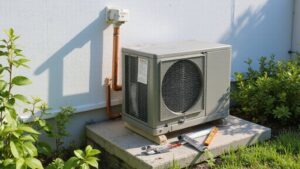
When you’re getting a new air conditioner installed, there’s more to the job than placing the unit and switching it on. A professional installation starts with understanding your home’s cooling needs and choosing a system that fits the space. From checking ductwork and insulation to handling electrical connections and refrigerant, each part of the installation affects how well the system performs.
Knowing what happens during the installation can also help you prepare for the work. So, what should you expect on installation day, and what can you do afterward to keep your air conditioner running well?
Key Takeaways
- A technician assesses your home’s cooling needs before recommending an air conditioning system.
- Proper unit sizing helps the system cool your home without unnecessary energy use.
- Ductwork and insulation are checked for leaks, damage, and areas that may affect airflow.
- Electrical connections must match the air conditioner’s requirements and be properly grounded.
- Refrigerant levels, airflow, thermostat settings, and system operation are checked before the installation is finished.
- Regular filter changes and seasonal checkups can help keep the system running well over time.
Why Professional Air Conditioner Installation Matters
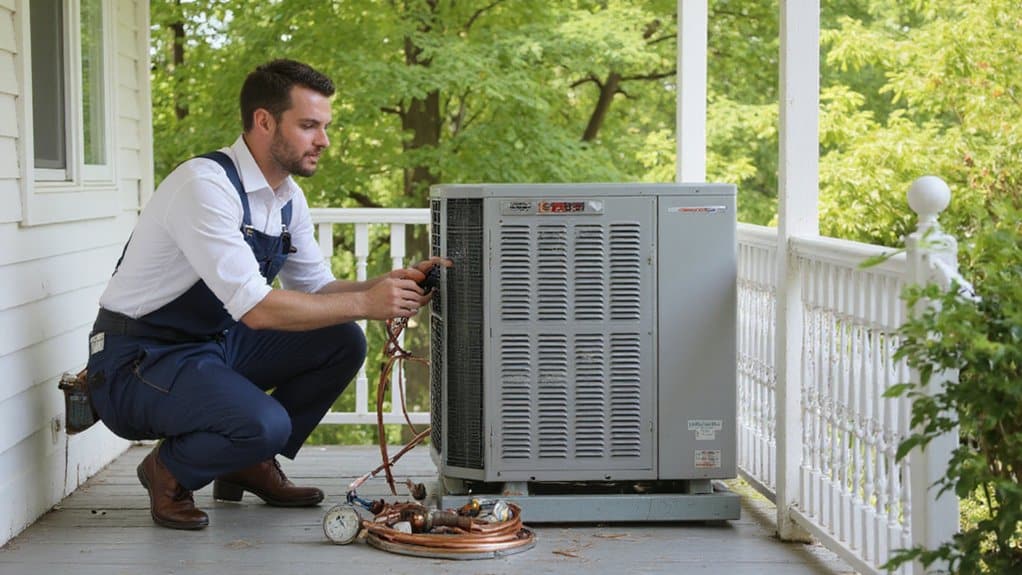
A new air conditioner needs to be installed correctly from the start. Even a well-made system may struggle if it’s the wrong size, connected incorrectly, or paired with ductwork that has leaks.
A professional installer begins by looking at the home and its cooling requirements. If a heat pump installation is being considered, the technician can also assess whether the home is suitable for that type of system. This helps determine which type and size of system is appropriate for the space. The technician can also identify issues with existing ductwork, insulation, electrical connections, or the installation location before the new unit is put into service.
Proper installation can help the air conditioner maintain steady temperatures and move air through the home as intended. It may also reduce unnecessary strain on the equipment. When the system is installed correctly, there’s less chance of avoidable problems caused by poor setup.
The work doesn’t stop once the outdoor and indoor units are in place. A technician should check the system before leaving to make sure it starts, runs, and responds properly to the thermostat.
Selecting the Right Air Conditioning Unit for Your Home
Choosing an air conditioner starts with the home itself. The size of the living space matters, but it isn’t the only factor. Insulation, windows, ceiling height, sun exposure, and the local climate can all affect how much cooling a home needs.
Unit sizing deserves close attention. An air conditioner that is too small may run for long periods without reaching the desired temperature. A unit that is too large can cycle on and off more often than it should. That can affect comfort and may make it harder for the system to control indoor humidity.
Energy efficiency ratings are another factor to review. SEER, or Seasonal Energy Efficiency Ratio, is used to describe the cooling efficiency of certain air conditioning systems. A technician can explain the ratings available for the systems being considered and how they may fit your home and usage.
Your comfort preferences matter, too. Some homeowners may prefer stronger cooling in certain rooms, while others may want more even temperatures throughout the house. Taking these details into account helps create a more suitable installation plan.
Evaluating Ductwork and Insulation for Optimal Performance
Your air conditioner depends on more than the equipment itself. The ductwork carries cooled air throughout the home, while insulation helps slow the movement of heat between indoor and outdoor spaces.
Before installation, the technician may inspect the ductwork for leaks, damaged sections, blockages, or sizing problems. Leaky ducts can allow conditioned air to escape before it reaches the rooms where it’s needed. Damaged or poorly connected sections can also affect airflow.
Insulation deserves attention for similar reasons. Gaps, worn materials, or areas with insufficient insulation can make it harder to keep cooled air inside the home. This can leave the system running longer as it tries to maintain the thermostat setting.
If problems are found, the technician can explain what needs to be repaired or replaced. In some homes, the existing ductwork may be in good condition and require little or no work. In others, repairs may be needed before the new air conditioner can perform as expected.
Checking these parts as part of the installation gives you a better picture of how the entire cooling system will work together.
Ensuring Safe and Efficient Electrical Connections
An air conditioner needs the right electrical supply to operate safely. During installation, the technician checks that the electrical service is suitable for the equipment and that the connections meet the system’s requirements.
The wiring must be the appropriate size for the unit. Connections should be secure, with no loose wires or visible damage that could create a safety concern. The equipment also needs to be properly grounded.
Electrical work is one area where careful installation matters. Incorrect wiring can damage equipment and create serious safety risks. A professional technician has the tools and training needed to make the required connections and identify problems that may need attention.
The electrical panel and disconnect are also checked as needed based on the installation. The goal is to make sure the air conditioner receives the power it requires without placing unnecessary strain on the electrical system.
Once the connections are complete, the technician can test the system to confirm that it starts and operates correctly.
Installation Day: What You Need to Know for a Smooth Setup
Installation day tends to go more smoothly when the work area is ready before the technicians arrive. Clear furniture, boxes, decorations, and other items away from the indoor and outdoor installation areas. This gives the crew enough room to work safely and access the equipment.
The technician will review the planned location of the equipment and may confirm details about the home before work begins. If the installation involves replacing an existing system, the old equipment will typically need to be disconnected and removed before the new system is installed.
Depending on the setup, the work may include placing the indoor and outdoor units, connecting refrigerant lines, attaching electrical wiring, checking ductwork, and connecting the thermostat. The exact work can vary depending on the type of air conditioner and the condition of the existing system.
Once the physical installation is complete, the technician should test the system. This can include checking airflow, thermostat operation, refrigerant levels, electrical connections, and overall system performance.
It’s also a good time to ask how the thermostat works, where the air filter is located, and what routine maintenance the system needs. A few minutes spent going over these details can make it easier to look after the equipment later.
Post-Installation Maintenance Tips for Longevity and Performance
A new air conditioner still needs regular care after installation. Simple maintenance can help prevent avoidable issues and keep airflow at a suitable level.
Two areas deserve regular attention: air filters and seasonal system checkups.
Regular Filter Replacement
The air filter plays a simple but important role in the cooling system. It catches dust and other particles before air moves through the equipment. As the filter becomes dirty, airflow can become restricted.
How often you need to replace or clean the filter depends on the type of filter, the air conditioner, household conditions, and how often the system runs.
Disposable filters are often replaced every one to three months, while washable filters can usually be cleaned on a regular schedule. Some homes may need more frequent filter changes, especially when the air conditioner runs often or there is a higher level of dust indoors.
Rather than relying only on a calendar, check the filter regularly. If it looks dirty or clogged, it may be time to clean or replace it.
Keeping the filter in good condition can help the system maintain proper airflow. It can also help keep dust from circulating through the home.
Seasonal System Checkups
Seasonal checkups give you an opportunity to have the air conditioner inspected before periods of heavy use. A technician can look over the system and identify small issues before they become larger problems.
A checkup may include inspecting coils, ductwork, electrical components, refrigerant levels, and the thermostat. The technician may also clean certain components and check that the system is operating as it should.
Scheduling maintenance before the cooling season can be useful because it gives you time to address problems before you need the air conditioner every day. Some homeowners choose to have their systems checked twice a year, while others follow the maintenance schedule recommended for their specific equipment.
Regular inspections don’t guarantee that a system will never need repairs. They can, though, make it easier to spot wear, dirt, leaks, or other concerns while they are still manageable.
Frequently Asked Questions
How Long Does a Professional Air Conditioner Installation Typically Take?
A typical air conditioner installation can take around four to eight hours, though the actual time varies. The type of system, condition of the existing ductwork, electrical work, access to the installation area, and other site conditions can all affect the schedule.
Your installer should be able to give you a more specific estimate after reviewing your home and the equipment being installed.
What Permits Are Required for Air Conditioner Installation?
Permit requirements depend on your local building and electrical regulations. Some installations may require permits for electrical work, equipment changes, or other parts of the project.
Your contractor should check the local requirements before work begins and let you know which permits apply to your installation.
Will My Warranty Cover Installation Costs?
A manufacturer’s warranty usually covers certain parts or repairs under the terms of the warranty. Installation costs may be handled separately.
Warranty terms vary between manufacturers and systems, so review the paperwork that comes with your air conditioner. If you’re unsure about what is covered, ask the installer or manufacturer before the work begins.
Can I Install an Air Conditioner Myself?
Some parts of air conditioner installation require specialist knowledge and equipment. Electrical connections and refrigerant work can also create safety risks when handled incorrectly.
A professional installation helps ensure the system is connected and set up according to the equipment requirements and applicable local rules. It also gives you a technician who can test the system and address installation issues before the job is finished.
What Should I Do if My Air Conditioner Is Not Cooling?
Start with a few simple checks. Look at the air filter and replace or clean it if it is dirty. Make sure the thermostat is set correctly and check that the vents are open and unobstructed.
If airflow remains weak or the system still isn’t cooling properly, the issue may involve refrigerant, electrical components, ductwork, or another part of the system. If the problem continues, heat pump repair may be needed when the home uses a heat pump system. At that point, a qualified technician can inspect the air conditioner and determine what needs to be fixed.
Conclusion
Professional air conditioner installation involves much more than putting a new unit in place. The process can include assessing your home’s cooling needs, choosing the right system size, inspecting ductwork and insulation, making safe electrical connections, checking refrigerant levels, and testing the finished installation.
Good maintenance matters once the installation is complete. Regular filter checks and seasonal inspections can help keep airflow steady and give you an opportunity to catch developing problems early.
When each part of the installation is handled carefully, your air conditioner has a better foundation for consistent cooling and day-to-day operation.