

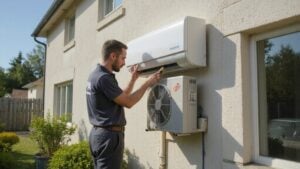
When you’re planning a new residential AC installation, the person you hire matters just as much as the system you choose. A good installation affects how well your AC performs, how much energy it uses, and how comfortable your home feels.
Before hiring a contractor, take some time to check their qualifications, experience, reviews, and warranty terms. It also helps to understand the main types of AC systems and what can affect the final installation cost. Having a clear idea of these details can make the hiring process much easier.
Key Takeaways
- Check the contractor’s certification, experience, and previous installation work.
- Read customer reviews carefully and look for repeated comments about the installation experience.
- Compare central and ductless AC systems based on your home’s layout and cooling needs.
- Residential AC installation often costs between $3,000 and $7,000, though the final price depends on the project.
- Ask about warranties and maintenance plans before signing an installation agreement.
- Consider financing options and energy efficiency when comparing systems and prices.
Understanding the Importance of Choosing the Right AC Installer
When you’re putting a new air conditioning system in your home, the quality of the installation can affect how the system performs for years.
An experienced installer should understand how to size the equipment for your home, where the unit should be placed, and how the system should be connected. An AC that isn’t properly sized or installed may struggle to keep rooms comfortable and could use more energy than expected.
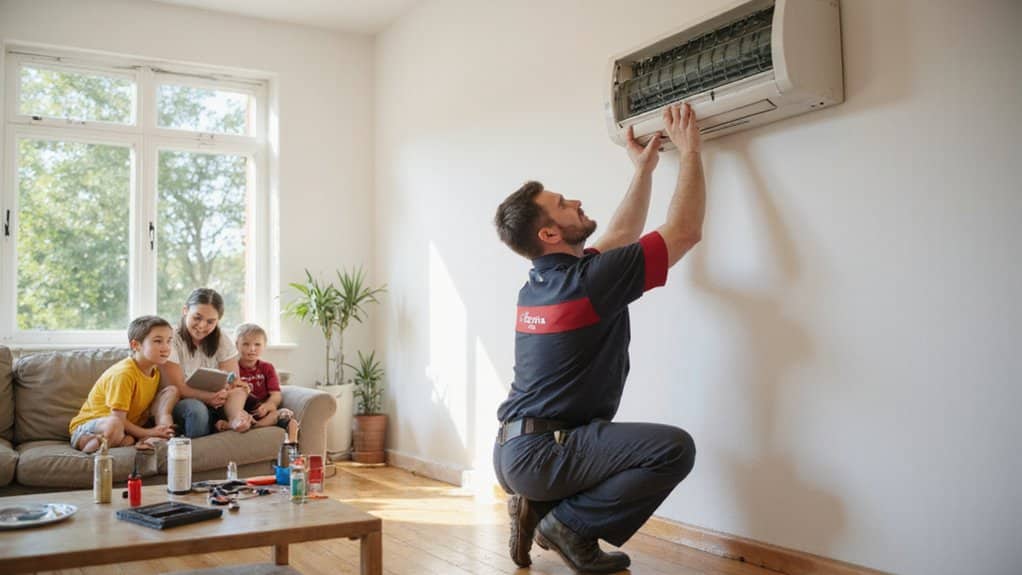
Customer referrals can also give you a better idea of what working with a contractor is actually like. Look for feedback about communication, punctuality, workmanship, and how the company handled questions or problems after the installation.
It’s worth getting more than one estimate, too. Comparing contractors can help you spot unusually high or low prices and gives you a chance to ask each company the same questions.
Taking a little time to choose an installer can help you avoid problems later and give you greater confidence in your new cooling system.
Essential Qualifications for Reliable AC Installation Services
Before hiring an AC installation service, check that the contractor has the qualifications needed for the work.
Start by asking about certifications and licensing requirements that apply in your area. These credentials can show that the contractor has received the appropriate training and understands the requirements for HVAC installation.
Experience matters as well. Ask how long the company has been installing residential AC systems and whether they regularly work with the type of system you’re considering.
Customer references can provide another useful source of information. If a contractor is willing to share references or has a long history of detailed customer reviews, you can get a better sense of their previous work.
It’s also worth asking about safety procedures, permits, and inspections. A professional installation should take the condition of your home and existing electrical or ductwork systems into account.
Before the work begins, ask about warranty options. Find out what the equipment warranty covers, what the contractor covers, and whether labor is included.
These questions can help you compare contractors based on more than price alone.
Understanding Different Types of AC Systems
The right AC system depends on your home’s size, layout, existing ductwork, and cooling needs.
Central air conditioning is a common choice for homes with existing ductwork. The system cools air and sends it through ducts to different rooms. When properly sized and installed, central AC can provide consistent cooling throughout the house.
Central systems do require ductwork, though. If your existing ducts are damaged, poorly insulated, or incorrectly sized, they may need attention before or during the AC installation.
Ductless mini-split systems offer another option. These systems don’t require traditional ductwork and can be used to cool individual rooms or separate areas of a home. Each indoor unit can usually be controlled independently, which can be useful when different rooms have different cooling needs.
For homeowners deciding between central and ductless AC, the layout of the home is a good place to start. Think about how many rooms need cooling, whether ductwork is already installed, and how much control you want over individual areas.
If you’re also considering a heat pump for year-round heating and cooling, professional heat pump installation can be another option worth discussing with an HVAC contractor.
How to Read Customer Reviews Like a Pro?
Online reviews can tell you a lot about an AC installer, but it’s worth looking beyond the overall star rating.
Look for detailed reviews that describe the actual installation experience. Comments about arriving on time, explaining the work, keeping the work area clean, and answering questions can give you a better picture of what to expect.
Pay attention to patterns, too. One negative review may not tell you much on its own. If several customers mention the same issue, such as poor communication or problems after installation, it deserves a closer look.
The way a company responds to negative feedback can also be useful. A thoughtful response that addresses the customer’s concern is different from simply ignoring complaints.
You can also check whether reviews mention the specific type of AC system you’re planning to install. A contractor may have plenty of positive reviews but limited experience with the system you want.
Reviews shouldn’t be the only thing you use to choose an installer, but they can help you narrow down your options.
What to Expect in AC Installation Costs
The price of a new AC installation can vary quite a bit from one home to another.
The type and size of the system are two major factors. Your home’s layout, existing ductwork, electrical setup, and the amount of work needed to install the equipment can also affect the final price.
Getting a written estimate can help you understand what you’re actually paying for. Ask whether the quote includes labor, equipment, removal of an old unit, permits, electrical work, ductwork changes, and any other expected charges.
Average Installation Price Range
A residential air conditioning system may cost around $3,000 to $7,000 to install, depending on the equipment and the work involved.
That range is only a starting point. A smaller and straightforward replacement may cost less, while a larger system or a more complicated installation can push the price higher.
The system’s efficiency rating can also affect the upfront price. Higher-efficiency equipment may cost more initially, but it can use less electricity under the right conditions.
Ask contractors to explain the differences between the systems they’re quoting. Instead of comparing only the total price, look at the equipment, efficiency rating, labor, warranty, and other services included in each estimate.
Don’t forget to ask about installation warranties. A manufacturer’s warranty and a contractor’s workmanship warranty may cover different things.
Some contractors also offer maintenance plans. If you’re considering one, ask exactly what services are included and how often the system will be checked.
Factors Influencing Costs
Several parts of an AC installation can change the final price.
Installation complexity is one of the biggest factors. If the project requires new ductwork, electrical upgrades, changes to the equipment location, or other modifications, labor costs may increase.
The AC brand and model can also affect the price. Different systems have different features, efficiency ratings, warranties, and equipment costs.
Timing can play a role as well. During periods of high demand, contractors may have busier schedules and pricing can vary.
Local labor rates are another consideration. Installation prices aren’t the same in every area, so local estimates are more useful than relying on a general national price range.
Extra equipment can add to the total, too. Examples include smart thermostats, zoning systems, new ductwork, or other changes to the existing setup.
Before accepting a quote, ask the contractor to explain any items you don’t understand. A clear estimate makes it easier to compare your options.
Financing and Energy Efficiency in AC Installation
Replacing an AC system can be a sizeable household expense, so it may help to look at financing options before making a decision.
Some manufacturers and contractors offer financing or promotional payment plans. Depending on your situation, you may also want to compare other ways of paying for the installation.
Read the terms carefully before agreeing to financing. Look at the interest rate, total amount you’ll repay, monthly payment, and loan length rather than focusing only on the monthly figure.
Energy efficiency is another factor worth considering. AC systems with higher efficiency ratings may cost more upfront, but they can use less electricity when operated under the conditions for which they’re rated.
A smart thermostat can also help manage cooling based on your schedule. Regular filter changes and routine maintenance can keep airflow and system performance in good shape.
When comparing systems, look at both the purchase price and the expected operating costs. The least expensive system upfront isn’t always the least expensive choice over its entire service life.
Frequently Asked Questions
How Long Does a Typical AC Installation Take?
A typical AC installation may take about four to eight hours, though the actual time depends on the project. A straightforward replacement can be completed in a day, while jobs involving new ductwork, electrical changes, or other modifications may take longer.
Ask the contractor how long they expect your particular installation to take before the work begins.
Can I Install My AC Unit Myself?
Installing an AC system yourself may seem like a way to reduce labor costs, but there are several things to consider.
Air conditioning installation can involve electrical connections, refrigerant, specialized tools, and local building requirements. Some parts of the work may also require permits or a qualified professional.
Before attempting any installation yourself, check your local requirements and make sure you understand the safety concerns involved.
What Warranties Are Usually Offered on AC Installations?
AC warranties can vary by manufacturer and contractor. Equipment warranties may cover certain parts for several years, while the installer may provide a separate workmanship warranty.
Before signing a contract, ask what each warranty covers and how long it lasts. Find out whether labor is included and what you need to do to keep the warranty valid.
Getting these details in writing can prevent confusion if a problem develops later.
How Often Should I Replace My AC System?
Many residential AC systems last around 10 to 15 years, though actual service life depends on maintenance, usage, installation quality, and other conditions.
Age alone doesn’t always mean you need a replacement. If an older system still provides adequate cooling and doesn’t require frequent repairs, replacement may not be urgent.
On the other hand, repeated breakdowns, rising energy bills, poor cooling, or expensive repairs may make a new system worth considering.
What Are Signs I Need a New AC Installation?
Several signs may suggest that your current AC system is nearing the end of its service life.
Frequent repairs, inconsistent cooling, unusual noises, rising energy bills, and an aging system are all reasons to have the equipment inspected.
If repair costs are becoming difficult to justify, ask an HVAC professional to compare the cost of repairing the existing system with the cost of replacing it.
A professional assessment can help you decide whether the current unit can keep running or whether a replacement makes more sense.
If your home uses a heat pump instead of a traditional AC system, recurring cooling problems may also be a reason to arrange heat pump repair before deciding on a replacement.
Conclusion
Choosing a residential AC installation service involves more than finding the lowest quote. Take time to check the contractor’s qualifications, installation experience, customer feedback, and warranty terms.
It also helps to understand the type of AC system that fits your home. Central and ductless systems have different requirements, so your home’s layout and existing setup should be part of the decision.
Before signing an agreement, get a detailed estimate and ask about any additional work that could affect the final price. Financing, energy use, maintenance, and warranty coverage are worth reviewing, too.
A little preparation before installation can help you choose a system and installer that fit your home, budget, and cooling needs.