

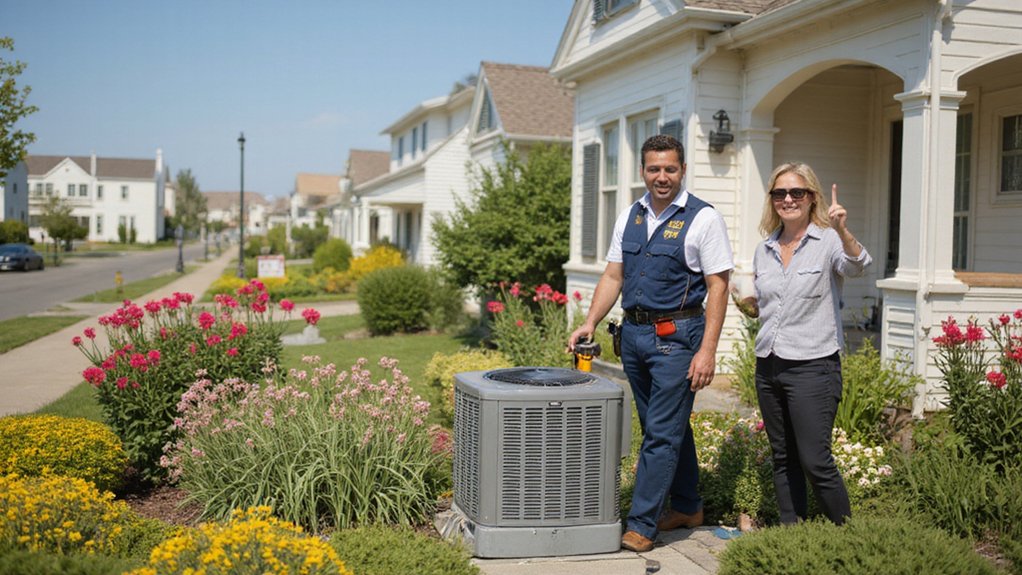
Quick answer: When your air conditioning system starts acting up, finding the right AC repair service matters more than most people think.
When your air conditioning system starts acting up, finding the right AC repair service matters more than most people think. It’s not just about getting it fixed quickly. It’s about getting it fixed properly so you don’t deal with the same issue again a week later.
There are plenty of options out there, but not all of them offer the same level of care or skill. A bit of research upfront can save you time, money, and frustration later.
Let’s walk through how to find a service you can actually trust.
Key Takeaways
- Look into local AC repair companies with a clear online presence and consistent customer feedback
- Read real customer reviews across platforms like Google and Yelp
- Check technician certifications and hands-on experience
- Ask clear questions about process, parts, and warranties
- Compare repair costs with replacement costs before deciding
Why Choosing the Right AC Repair Service Matters
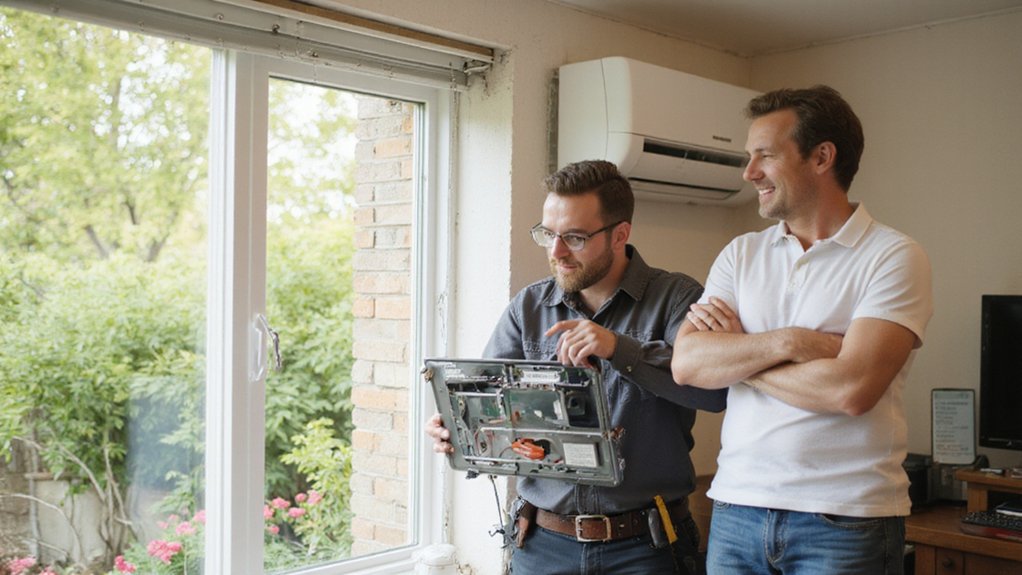
When your AC breaks down, it’s tempting to call the first service you find. That quick decision can lead to bigger problems if the work isn’t done properly.If your system stops working suddenly, having access to emergency AC repair can save you from long hours of discomfort
An experienced technician can spot the issue faster and fix it correctly the first time. That means less downtime and fewer repeat visits.
On the other hand, poor repair work often leads to recurring issues. What seemed like a small fix can turn into a much larger expense.
It also comes down to how a company treats its customers. A good service provider communicates clearly, shows up on time, and respects your space.
Taking a little extra time to choose carefully helps you avoid unnecessary stress later.
How to Research Reliable AC Repair Services
Finding a dependable AC repair service starts with knowing where to look and how to filter your options.
Start With Online Research
Search for AC repair services in your area and go through a few company websites. A well-maintained site usually reflects how a business presents itself overall.
Look for clear information about services, contact details, and any certifications they mention. If basic details are missing, that’s worth noting.
Next, check reviews on platforms like Google, Yelp, and Facebook. Don’t just skim the ratings. Read what people are actually saying.
If multiple customers mention the same issue, whether good or bad, it usually points to a pattern.
Also take a look at how the company responds to reviews. A calm and respectful reply, even to criticism, says a lot about how they handle customers.
Once you’ve gone through a few options, narrow it down to a shortlist and compare what they offer.
Ask People Around You
Online research helps, but local recommendations often give you a clearer picture.
Talk to friends, neighbors, or family members who’ve had AC repairs done recently. People are usually honest about both good and bad experiences.
Local community groups can also be helpful. Facebook groups or neighborhood forums often have discussions about service providers in your area.
You might come across smaller businesses that don’t rank high online but are well-known locally for doing solid work.
A quick question in the right group can bring in useful suggestions within minutes.
What Certifications Should Your AC Technician Have?
Not all technicians have the same level of training. Certifications help you understand whether someone knows what they’re doing.
Look for technicians certified by the Environmental Protection Agency, often called EPA certification. This is especially important for handling refrigerants safely.
Another widely recognized certification is NATE, which stands for North American Technician Excellence. Technicians with this credential have passed detailed exams and understand industry standards.
Some professionals also carry brand-specific certifications. This means they’ve been trained to work on certain AC systems or manufacturers.
Taking a moment to check these details can prevent costly mistakes later.
Evaluating Customer Reviews and Testimonials
Customer reviews can tell you a lot, but only if you read them carefully.
Instead of focusing only on star ratings, pay attention to the details. Look for comments about punctuality, behavior, and how the issue was handled.
If a company consistently gets praise for showing up on time and explaining things clearly, that’s a good sign.
Repeated complaints about delays or unfinished work should make you pause.
It also helps to see how recent the reviews are. A company that performed well years ago may not offer the same service today.
Look for a steady pattern of feedback over time rather than a sudden spike of positive reviews.
Questions Worth Asking Before the Work Starts
Before any repair begins, have a short conversation with the technician. A few simple questions can give you clarity.
Ask about their experience with your specific AC model. Not all systems are the same, and familiarity matters.
Find out how they plan to diagnose the issue. A clear explanation shows they understand their process.
You can also ask what kind of parts they use. Some repairs involve original parts, while others use alternatives. It’s good to know what’s going into your system.
Don’t forget to ask about warranties. A solid warranty on both labor and parts gives you peace of mind if something goes wrong later.
These questions don’t take long, but they help you feel more confident about the work being done.
AC Repair Pricing: What to Expect
Costs can vary quite a bit depending on the problem and the service you choose. Still, having a rough idea helps you avoid surprises.
What Affects the Cost
Pricing often changes based on demand. During hotter months, repair requests increase, and service rates can go up.
The type of repair also matters. A small issue like a capacitor replacement will cost far less than a compressor problem.
Experience level plays a role as well. More experienced technicians may charge higher rates, but they often complete the work faster and more accurately.
The type of AC unit you have can also affect pricing, especially if parts are harder to find.
Average Repair Costs
Most AC repairs fall somewhere between $100 and $500.
Smaller fixes like replacing a capacitor or clearing a blockage usually stay on the lower end.
Larger issues, like compressor problems, can cost much more.
Repair time varies too. Some fixes take under an hour, while others may require several hours or even a follow-up visit.
Service Call Fees Explained
Many companies charge a service call fee, usually between $75 and $150.
This fee covers the technician’s time to visit your home and inspect the issue.
Some companies adjust this fee if you move forward with the repair, so it’s worth asking about that in advance.
Always get a clear breakdown of charges before work begins. It helps avoid confusion later.
Red Flags to Watch Out for in AC Repair Companies
Not every company operates with the same level of professionalism. A few warning signs can help you avoid the wrong choice.
If a company can’t provide proof of licensing or insurance, that’s a major concern.
Very low pricing can also be a sign of poor workmanship or hidden charges.
Watch out for repeated complaints in reviews, especially about missed appointments or incomplete repairs.
Pay attention to how you’re treated during your first interaction. If communication feels unclear or rushed, that’s worth considering.
Trust your judgment here. If something feels off, it’s better to keep looking.
When to Repair or Replace Your AC Unit?
At some point, repairing your AC may not make sense anymore.
Most units last around 10 to 15 years. If yours is close to that range and keeps breaking down, it might be time to think about replacing it.
Frequent repairs and rising electricity bills are common signs that the system is struggling.
Newer models are usually more energy efficient, which can help reduce long-term costs.
A simple rule many people follow is this. If the repair cost is more than half the price of a new unit, replacement is often the better option.
It comes down to balancing short-term spending with long-term comfort and savings.
Frequently Asked Questions
How Long Does Typical AC Repair Service Take?
Most repairs take between one and three hours. The exact time depends on how complex the issue is and whether parts are available.
Do AC Repair Services Offer Warranties on Their Work?
Many services offer warranties on both parts and labor. Always confirm this before the repair starts so you know what’s covered.
What Should I Do Before the Technician Arrives?
Clear the area around your AC unit and note any issues you’ve noticed. This helps the technician get started quickly.
Can I Perform Any Maintenance Before Calling for Repairs?
You can check and clean the air filter and make sure your thermostat is set correctly. These small steps can sometimes solve minor issues.
Are There Financing Options Available for AC Repairs?
Some companies offer payment plans. It’s worth asking if you’re dealing with a larger repair cost.
Conclusion
Choosing the right AC repair service doesn’t have to feel complicated. A little research, a few honest reviews, and the right questions can point you in the right direction.
Focus on experience, clear communication, and consistent customer feedback. These are often better indicators than flashy ads or low prices.
With a careful approach, you can find a technician who fixes the problem properly and helps keep your home comfortable.

Owner, ASC Heating & Air
Ron Carter is the owner of ASC Heating & Air, a family-owned HVAC company serving San Antonio and the surrounding communities. With more than 20 years of hands-on HVAC experience, Ron has built his reputation on honest recommendations, quality workmanship, and dependable customer service.
He specializes in residential heating and air conditioning repair, installation, replacement, and preventative maintenance, helping homeowners make informed decisions that improve comfort, efficiency, and the lifespan of their HVAC systems. Through his articles, Ron shares practical insights gained from years in the field, answering common homeowner questions and providing trusted advice tailored to the unique heating and cooling challenges of South Texas.