

Quick answer: If your air conditioner is running but your home still feels warm, something isn’t working the way it should.
If your air conditioner is running but your home still feels warm, something isn’t working the way it should. This can be frustrating, especially during hot days when you expect cool air to kick in quickly.
Some problems are simple and easy to fix, like thermostat settings or a dirty filter. Others take a bit more digging, such as airflow restrictions or low refrigerant levels. The good news is that you can check a few things yourself before calling a technician.
Let’s walk through what might be going on and what you can do about it.
Key Takeaways
- Check that your thermostat is set to “cool” and below the current room temperature
- A clogged air filter can block airflow and reduce cooling
- Leaky or blocked ducts can prevent cool air from reaching rooms
- Debris around the outdoor unit can affect how heat is released
- Low refrigerant levels usually point to a leak and need professional repair
Immediate Steps to Diagnose Your Non-Cooling AC
When your air conditioner is running but not cooling, start with a few basic checks. These steps can help you rule out simple issues.
Take a look at your thermostat first. Make sure it’s set to “cool” and the temperature is lower than the current room temperature. Sometimes the settings get changed without you noticing.
Next, check your vents and ducts. Walk around your home and feel for airflow. If certain rooms aren’t getting cool air, there may be a blockage or a leak in the ductwork. A quick visual check with a flashlight can help you spot loose connections or gaps.
Listen closely to your system while it’s running. Strange sounds like rattling, buzzing, or grinding can point to internal problems.
It’s also worth checking your circuit breaker. If the outdoor unit isn’t getting power, the system won’t cool properly even if the indoor unit is running.
These quick checks can save you time and may even solve the problem right away.
Checking and Cleaning Your AC Filter
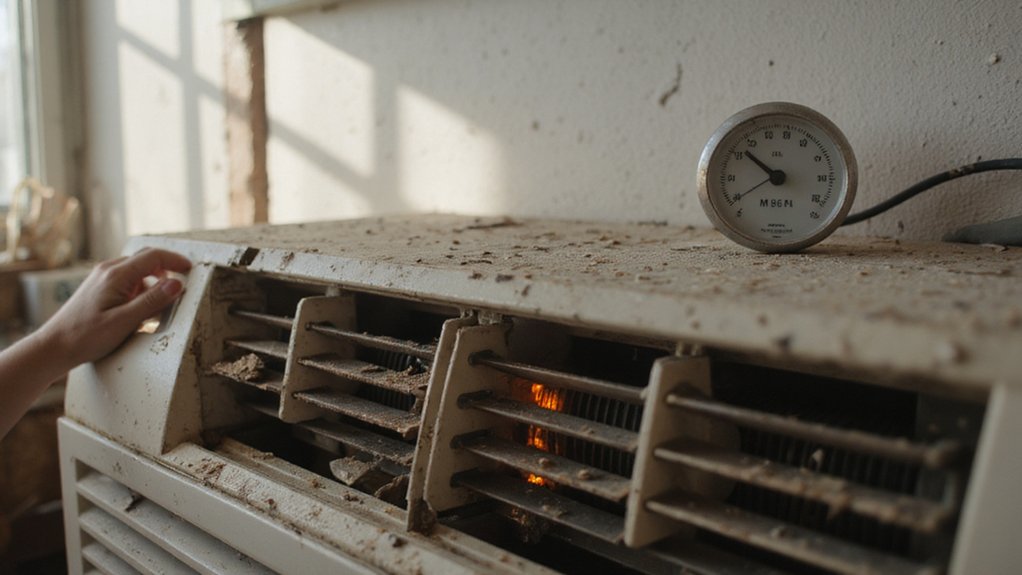
Your air filter plays a big role in how well your AC cools your home. When it gets dirty, airflow drops, and the system has to work harder to push air through.
Start by locating the filter. It’s usually inside the return air vent or near the indoor unit. Slide it out and take a look. If it’s covered in dust or debris, it needs attention.
If you’re using a reusable filter, clean it with a vacuum or rinse it with water and let it dry completely before putting it back. If it’s disposable, replace it with a new one that fits properly.
Most homes need a filter change every one to three months. If you have pets or live in a dusty area, you may need to do it more often.
Keeping the filter clean helps air move freely through the system and improves overall cooling.
When the Filter Is Fine but Cooling Is Still Weak
If your filter is clean and your AC still isn’t cooling, the issue may be somewhere else.
Go back to the thermostat and double-check the settings. Even a small mistake there can affect performance.
Then look at your vents. Make sure none of them are blocked by furniture, curtains, or other items. Closed vents can also reduce airflow and create uneven cooling in your home.
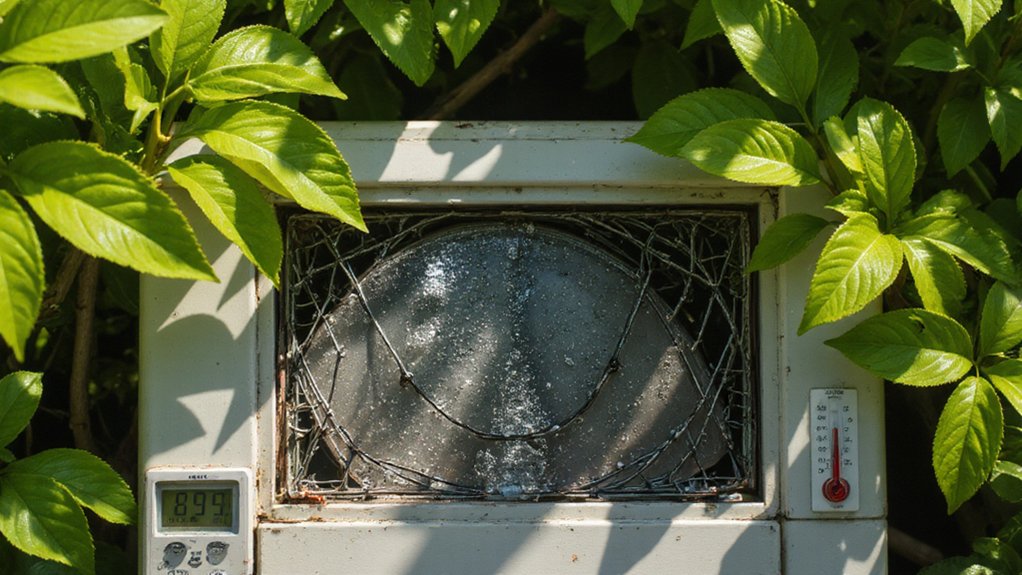
Head outside and inspect the outdoor unit. Leaves, dirt, and debris can build up around it and make it harder for the system to release heat. Clear away anything that’s too close and make sure there’s enough space around the unit.
If everything looks fine but the air still isn’t cool, the problem may be inside the system. At that point, it’s a good idea to schedule a professional air conditioner repair service
.
How Refrigerant Levels Affect Cooling
Refrigerant is what allows your air conditioner to remove heat from your home. When levels drop, the system can’t cool properly.
Low refrigerant usually means there’s a leak somewhere. It doesn’t just run out on its own. As levels drop, you may notice that the air coming from your vents feels warmer than usual.
The system may also run longer without reaching the desired temperature. In some cases, ice can form on the indoor coils, which is a clear sign something isn’t right.
Running your AC with low refrigerant can strain the compressor and lead to more serious damage over time.
Fixing this issue involves finding the leak, repairing it, and refilling the refrigerant to the correct level. This is not a DIY job and should be handled by a professional.
Why Regular AC Maintenance Matters
Routine maintenance keeps your air conditioner working the way it should. It also helps you avoid sudden breakdowns when you need cooling the most.
During a typical service visit, a technician will check the filter, inspect the coils, test electrical parts, and make sure refrigerant levels are correct. Small issues can be caught early before they turn into bigger problems.
A well-maintained system runs more smoothly and uses less energy. That means lower electricity bills and better comfort at home.
Skipping maintenance often leads to poor cooling, higher costs, and more frequent repairs. A yearly check, usually before summer, can make a big difference in how your system performs.
Frequently Asked Questions
Can I Troubleshoot My AC Without Professional Help?
Yes, you can handle a few basic checks yourself. Start with the filter, thermostat, and vents. Many common issues come down to airflow or simple settings.
If the problem goes deeper, like electrical faults or refrigerant leaks, it’s safer to call a technician.
How Long Should My Air Conditioner Run?
Most systems run in cycles of about 15 to 20 minutes. This allows the AC to cool your home without overworking.
If it shuts off too quickly or runs for too long without cooling, something may be off.
What Temperature Should I Set My Thermostat?
A setting between 24°C and 26°C works well for most homes. It keeps the space comfortable without putting too much strain on the system.
You can adjust slightly based on your comfort level.
Is It Normal for My AC to Make Noise?
Some noise is normal, especially when the system starts or stops. But loud or unusual sounds like banging or buzzing should not be ignored.
These sounds can point to loose parts or internal issues.
How Often Should I Service My AC?
Once a year is usually enough for most systems. Scheduling service before the hot season helps ensure everything is working properly when you need it most.
Conclusion
If your air conditioner is running but not cooling, start with the simple checks. Look at the thermostat, inspect the filter, and make sure airflow isn’t blocked.
If those don’t fix the issue, the problem may be more technical, like low refrigerant or internal damage. In that case, getting professional help or booking an emergency AC repair service is the safest option.
Staying on top of regular maintenance can prevent many of these problems in the first place. It keeps your system running smoothly and your home comfortable when temperatures rise.

Owner, ASC Heating & Air
Ron Carter is the owner of ASC Heating & Air, a family-owned HVAC company serving San Antonio and the surrounding communities. With more than 20 years of hands-on HVAC experience, Ron has built his reputation on honest recommendations, quality workmanship, and dependable customer service.
He specializes in residential heating and air conditioning repair, installation, replacement, and preventative maintenance, helping homeowners make informed decisions that improve comfort, efficiency, and the lifespan of their HVAC systems. Through his articles, Ron shares practical insights gained from years in the field, answering common homeowner questions and providing trusted advice tailored to the unique heating and cooling challenges of South Texas.