

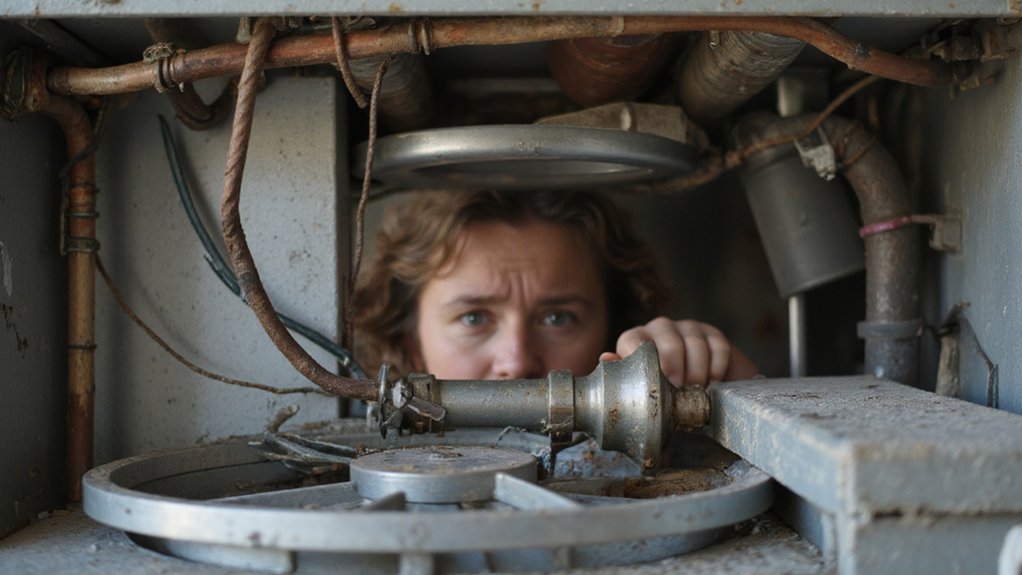
Quick answer: If your air conditioner has started making strange noises, it’s usually a sign that something isn’t quite right.
If your air conditioner has started making strange noises, it’s usually a sign that something isn’t quite right. Some sounds are minor and easy to fix, while others point to issues that need attention sooner rather than later.
Buzzing, hissing, or clanking sounds don’t happen without a reason. They often come from loose parts, airflow problems, or internal wear. When you understand what these noises mean, it becomes much easier to decide what to do next and avoid bigger repair bills.
Let’s go through the most common sounds and what they’re trying to tell you.
Key Takeaways
- Loose parts like screws or fan blades can cause vibration and noise
- Dirty filters can block airflow and make the system work harder
- Buzzing may be linked to electrical issues
- Hissing can point to a refrigerant leak
- Clanking or rattling often means something inside is loose or damaged
- Regular servicing helps catch small problems before they get worse
Why Is My Air Conditioner Making Strange Noises? Common Issues and Solutions
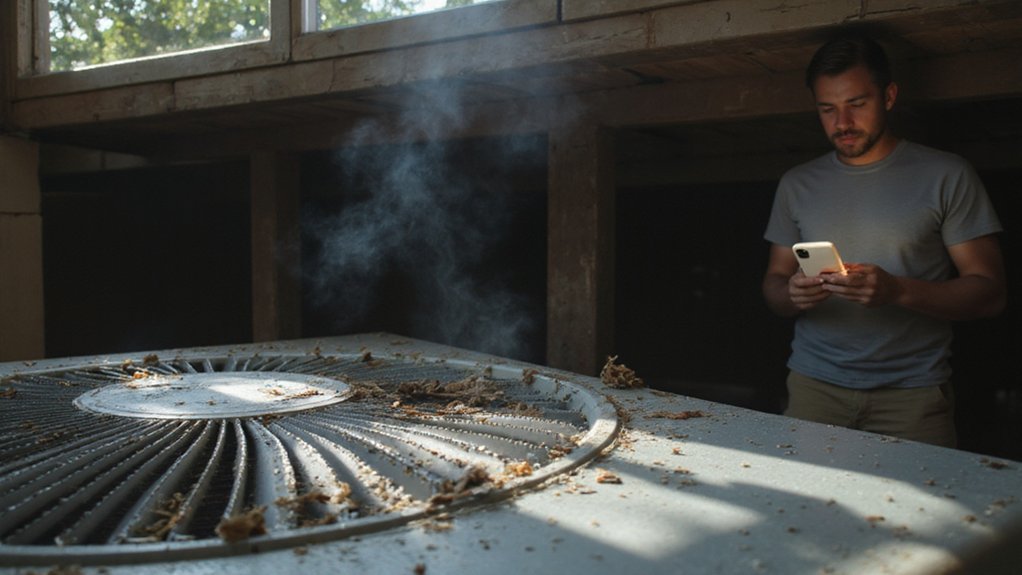
It’s unsettling when your AC suddenly sounds different. Most of the time, these noises come from a few common issues.
Loose components are one of the biggest causes. Screws, panels, or fan blades can shift over time. When the unit runs, those parts vibrate and create noticeable sounds.
Airflow problems are another frequent reason. A clogged or dirty air filter forces the system to work harder than it should. That extra strain can lead to unusual noises, especially when air struggles to pass through.
Debris around the outdoor unit can also play a role. Leaves, dust, or small objects may get stuck inside or near the fan, creating sound during operation.
A quick check can often reveal the problem. Look for visible debris, listen closely to where the sound is coming from, and make sure nothing seems loose.
If the noise continues after a basic check, it’s best to have it looked at before the issue grows.
What Causes Buzzing or Hissing Noises in My AC?
Buzzing and hissing are two sounds that usually point to specific problems.
A buzzing noise often comes from electrical components. Loose wiring, a failing capacitor, or worn-out parts can all create that low, vibrating sound. These issues can affect how the unit starts and runs.
Hissing, on the other hand, is commonly linked to refrigerant leaks. When refrigerant escapes through a small crack or hole, it produces a steady hissing sound. This also affects cooling, so you might notice the air isn’t as cold as it used to be.
Both of these sounds should be taken seriously. Electrical problems can get worse over time, and refrigerant issues can put extra strain on the system.
If you hear either sound and can’t find an obvious cause, it’s a good idea to have a technician inspect the unit.
What Clanking and Rattling Sounds Usually Mean
Clanking and rattling tend to be more noticeable and often more urgent.
Clanking usually means that something inside the unit has come loose or broken. This could be a fan blade, a motor part, or even a piece of the compressor. When these parts move out of place, they can hit other components as the system runs.
Rattling is often less severe but still worth checking. It can come from loose screws, panels, or debris caught inside the unit. Sometimes, it’s as simple as tightening a few parts or clearing out small objects.
You can start by turning off the system and doing a visual inspection. Look for anything out of place or anything that moves when it shouldn’t.
If the sound continues after that, it’s better not to run the unit for long. Ongoing clanking can lead to more serious internal damage.
When It’s Time to Call an HVAC Technician
Some noises are easy to trace and fix. Others need a trained eye.
If you hear grinding, high-pitched squealing, or loud banging, it’s time to stop using the unit and call a emergency AC repair services. These sounds often point to internal wear or failing components.
A sudden increase in noise level is another sign to pay attention to. If your AC used to run quietly and now sounds noticeably louder, something has changed.
Cooling problems paired with strange noises are also a warning. If the unit isn’t cooling properly and making unusual sounds at the same time, the issue may be more complex.
Getting help early can prevent further damage and keep repair costs from rising.
Simple Ways to Keep Your AC Quiet
Keeping your air conditioner quiet doesn’t require much effort, but it does need consistency.
Regular servicing helps keep all parts in good condition. A yearly check is usually enough to catch wear before it turns into a bigger issue.
Keeping the outdoor unit clean makes a big difference. Clear away leaves, dirt, and anything that could block airflow or get pulled into the system.
Air filters should be cleaned or replaced regularly. This keeps airflow smooth and reduces strain on the system.
It’s also worth checking for loose panels or screws from time to time. Small adjustments can prevent rattling later.
Make sure the unit sits evenly. An uneven surface can cause vibration, which often turns into noise over time.
Frequently Asked Questions
Can air conditioner noises mean I need a replacement?
Sometimes, yes. If the noises are loud, frequent, and tied to major internal issues, replacing the unit might make more sense than repairing it. A technician can help you decide based on the condition of your system.
Are these noises dangerous?
They can be. Some sounds point to mechanical or electrical problems that may lead to bigger damage if ignored. It’s safer to check early rather than wait.
How do I know what’s normal?
Every AC unit has its own sound when running. Once you’re familiar with it, changes become easier to notice. Any new or unusual noise is worth checking.
Do different AC models sound different?
Yes, they do. Design, size, and technology all affect how an air conditioner sounds during operation.
Will regular servicing stop these noises?
It helps a lot. Regular maintenance catches small problems early, which keeps the system running more quietly over time.
Conclusion
Strange noises from your air conditioner are usually the first sign that something needs attention. Some issues are simple, like a loose screw or a dirty filter. Others can point to deeper problems inside the unit.
Paying attention to these sounds early can save you from larger repairs later. If you’re unsure what the noise means or can’t fix it yourself, getting a professional opinion is always a safe step.

Owner, ASC Heating & Air
Ron Carter is the owner of ASC Heating & Air, a family-owned HVAC company serving San Antonio and the surrounding communities. With more than 20 years of hands-on HVAC experience, Ron has built his reputation on honest recommendations, quality workmanship, and dependable customer service.
He specializes in residential heating and air conditioning repair, installation, replacement, and preventative maintenance, helping homeowners make informed decisions that improve comfort, efficiency, and the lifespan of their HVAC systems. Through his articles, Ron shares practical insights gained from years in the field, answering common homeowner questions and providing trusted advice tailored to the unique heating and cooling challenges of South Texas.
How To Describe The Noise Before You Call
A useful description can help a technician prepare for the visit. Listen for where the sound starts, whether it changes when the outdoor unit turns on, and whether the noise happens during startup, shutdown, or the entire cooling cycle.
- Banging or clanking: Turn the system off if the sound is sudden or severe. A loose fan blade, panel, or moving part may be striking the cabinet.
- Grinding or screeching: Stop the system and arrange service. Motor or bearing trouble can worsen when the equipment keeps running.
- Buzzing or humming: Do not open the electrical compartment. A technician may need to test the contactor, capacitor, wiring, or motor.
- Clicking: One click at startup can be normal, but repeated clicking with no cooling deserves diagnosis.
- Hissing: A hiss near the indoor coil or refrigerant line can be related to airflow or refrigerant concerns. Do not handle refrigerant yourself.
- Water or bubbling sounds: Drainage, condensate, or a frozen coil may be involved, especially when cooling is weak.
What A Technician Checks First
On a real diagnostic visit, the noise is only one clue. The technician should connect it with temperature split, airflow, electrical readings, coil condition, drain operation, and the condition of the indoor and outdoor equipment.
One thing homeowners commonly misunderstand is that replacing the part that makes the sound may not solve the reason it failed. A restricted filter, blocked return, dirty coil, loose electrical connection, poor drainage, or stressed motor can create a repeat problem. A complete diagnosis looks for the cause as well as the symptom.
Important Safety Note
Turn the system off and call for professional help if you smell burning, see smoke, hear metal-on-metal grinding, notice exposed wiring, or the breaker trips repeatedly. Do not remove panels or work inside the condenser.
Repair, Maintenance, Or Replacement?
A noise does not automatically mean the air conditioner needs replacement. Repair may make sense when the problem is isolated and the rest of the system is in reasonable condition. Replacement deserves a conversation when major components are failing repeatedly, comfort remains poor, or repair costs no longer fit the system’s condition.
Based on practical HVAC work, the fairest decision uses four facts: what failed, why it failed, what the repair includes, and how the system has performed over time. Ask for those details in writing. If the system is near the end of its useful life, compare the repair with a properly sized replacement rather than making the decision from a noise alone.
Questions To Ask Before Approving Work
- What component is making the noise?
- What test confirmed the diagnosis?
- Could another condition cause the same part to fail again?
- What does the quote include, including labor and related materials?
- What parts and labor warranty apply?
- Would you repair this system in your own home, and why?
For local service information, see ASC AC repair services. If the noise is accompanied by no cooling, burning odor, electrical symptoms, or a complete shutdown during extreme heat, review emergency AC repair options. After the immediate problem is handled, preventative HVAC maintenance can help identify airflow, electrical, drainage, and coil issues before they become a larger breakdown.