

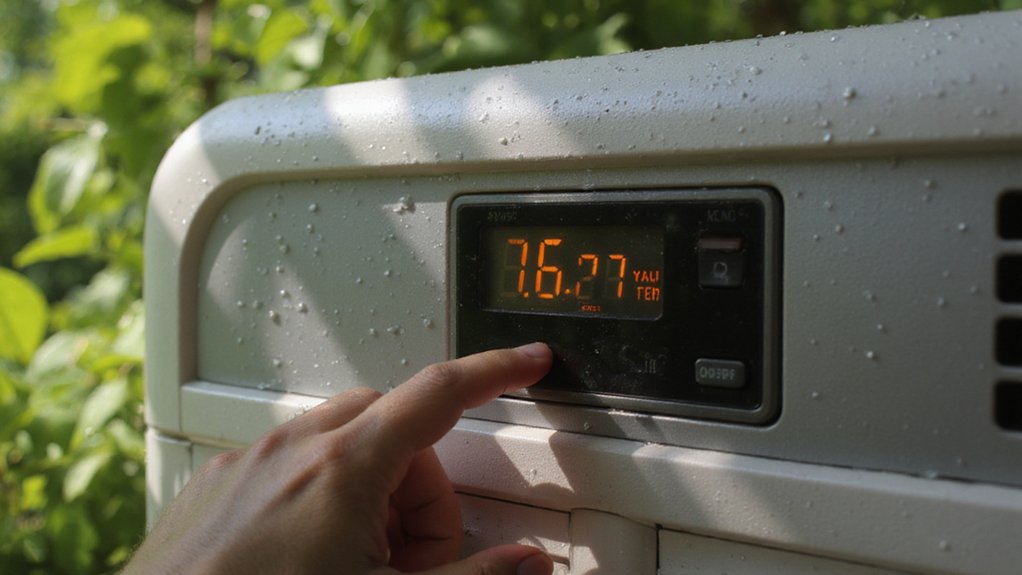
Quick answer: If your AC keeps turning on and off, it’s usually a sign of short cycling.
If your AC keeps turning on and off, it’s usually a sign of short cycling. This means the system isn’t running in a steady, normal pattern. Instead, it starts and stops more often than it should.
Over time, this can lead to poor cooling, higher electricity bills, and extra wear on the system. The good news is that most of the common causes are easy to spot once you know what to look for.
Let’s walk through what might be going on and what you can do about it.
Key Takeaways
- An oversized AC unit cools too quickly and shuts off before completing a full cycle
- Dirty air filters block airflow and make the system work harder
- Thermostat problems can send the wrong signals to the AC
- Low refrigerant levels can force the system to shut down early
- Hot weather and humidity can push the system to cycle more often
Common Reasons for AC Short Cycling
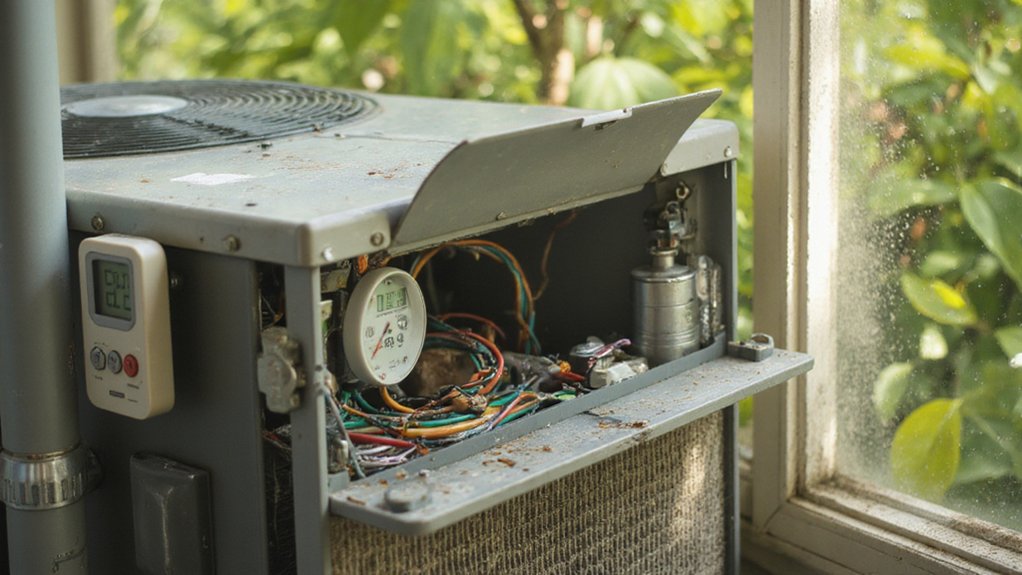
If your AC keeps switching on and off, short cycling is usually the reason. Several things can cause this behavior.
One common issue is an oversized unit. When an AC is too powerful for the space, it cools the room very quickly. That might sound like a good thing, but it actually causes the system to shut off before completing a proper cycle. Then it starts again soon after, repeating the pattern.
Clogged air filters are another frequent cause. When airflow is restricted, the system struggles to circulate cool air. This extra strain can trigger frequent cycling.
Refrigerant problems can also play a role. Low levels or leaks make it harder for the system to cool properly. The unit may shut down early to protect itself.
Electrical faults, such as wiring issues or thermostat problems, can interrupt normal operation as well.
Fixing these issues early helps your AC run more smoothly and reduces long-term wear.
How Thermostat Issues Lead to AC Short Cycling
If your AC is short cycling, the thermostat is a good place to start checking.
Even small issues here can cause the system to behave unpredictably.
Incorrect Thermostat Settings
Thermostat settings can have a bigger impact than most people expect.
If the temperature is set too low, the AC may turn on and off quickly while trying to reach that target. This constant adjustment can lead to short cycling.
Sometimes the thermostat isn’t calibrated properly. When that happens, it may read the room temperature incorrectly and send the wrong signals to the AC.
If you’ve recently installed a new thermostat, double check the settings. A small adjustment can make a noticeable difference in how your system runs.
Faulty Thermostat Sensor
A faulty sensor can be harder to spot, but it often leads to the same issue.
The sensor is responsible for measuring the room temperature. If it’s not working properly, the AC may turn on or off at the wrong times.
You might notice uneven cooling or frequent cycling even when the settings seem fine.
In some cases, recalibrating the thermostat can fix the issue. If not, replacing the sensor is usually the next step.
Taking care of this early helps avoid extra strain on the system.
How Dirty Air Filters Affect AC Performance
Air filters play a big role in how well your AC runs.
When they get clogged with dust and debris, airflow becomes restricted. The system then has to work harder to push air through, which can lead to overheating or frequent shutdowns.
This often shows up as short cycling.
Checking your filters regularly can prevent this. In most homes, replacing them every one to three months keeps things running smoothly.
If you have pets or live in a dusty area, you may need to change them more often.
It’s a small task, but it makes a big difference in performance.
Understanding Refrigerant Problems That Cause AC Short Cycling
Refrigerant is what allows your AC to cool the air. When something goes wrong here, the system can’t do its job properly.
Leaks are a common issue. When refrigerant levels drop, the pressure inside the system changes. This can cause the AC to shut down early.
You might notice signs like ice forming on the coils or a faint hissing sound near the unit.
Low refrigerant can also trigger safety features that turn off the compressor to prevent damage.
This isn’t something you can fix on your own. A trained technician will need to locate the leak and refill the refrigerant safely.
Regular servicing can help catch these problems before they get worse.
Electrical Issues That Cause AC Short Cycling
Electrical problems can be easy to overlook, but they often play a role in short cycling.
Even small faults can interrupt how your AC runs.
Faulty Wiring Issues
Damaged or loose wiring can affect how power flows to your AC.
If the connection isn’t steady, the system may shut off unexpectedly. Then it turns back on once power stabilizes, creating a cycle.
A proper inspection can reveal issues like worn wires or loose connections.
Fixing these problems helps restore consistent operation and also reduces safety risks.
Voltage Fluctuations Impact
Your AC depends on a stable power supply.
When voltage levels rise or drop suddenly, the system may shut down to protect its components.
These fluctuations can also affect how the thermostat communicates with the unit.
If this is a recurring issue, a voltage stabilizer can help maintain steady power.
An electrician can also check if your home’s wiring is supporting the AC properly.
Tips for Preventing Short Cycling in Your Air Conditioner
Preventing short cycling usually comes down to regular care and a few simple checks.
Start with airflow. Clean or replace your air filters on a regular schedule. Make sure vents are open and not blocked by furniture or dust buildup.
Check your thermostat settings and make sure they match your comfort needs. If something feels off, recalibration might help.
It’s also worth inspecting your ductwork for leaks. Gaps or cracks can affect how air moves through your home.
Finally, make sure your AC unit matches the size of your space. If it’s too large, it may never run in a steady cycle.
These steps don’t take much time but can help your system run more consistently.
When Is It Time to Call in the AC Pros?
Sometimes the issue goes beyond basic fixes.
If your AC keeps short cycling even after changing filters and checking settings, it’s time to schedule a professional AC repair.
Other warning signs include strange noises, uneven cooling, unusual smells, or a sudden spike in energy bills.
These can point to deeper problems like refrigerant leaks, electrical faults, or failing components.
Getting help early can prevent bigger repairs later.
A trained technician can diagnose the issue and get your system back on track.
Frequently Asked Questions
Can Short Cycling Damage My Air Conditioning System?
Yes, it can. Frequent starting and stopping puts extra strain on the compressor and other parts. Over time, this can lead to breakdowns.
How Can I Tell if My Thermostat Is Malfunctioning?
Watch for inconsistent temperatures or incorrect readings. If the AC doesn’t respond properly to changes, the thermostat may need adjustment or replacement.
What Are the Signs of a Refrigerant Leak?
Common signs include reduced cooling, ice on the coils, and hissing sounds. You might also notice the system running more often than usual.
How Often Should I Replace My Air Filters?
In most cases, every one to three months works well. Homes with pets or heavy dust may need more frequent changes.
Is Short Cycling Common in Older AC Units?
Yes, older systems are more likely to develop issues that cause short cycling. Wear and tear over time can affect how the unit performs.
Conclusion
If your AC keeps turning on and off, it’s a sign that something isn’t quite right.
The cause could be as simple as a dirty filter or as complex as a refrigerant or electrical issue. Paying attention to early signs can help you fix the problem before it grows.
Regular maintenance, small adjustments, and timely repairs all help keep your system running smoothly.
And if the issue doesn’t go away, getting professional air conditioner repair is the safest way to protect your AC
and keep your home comfortable.

Owner, ASC Heating & Air
Ron Carter is the owner of ASC Heating & Air, a family-owned HVAC company serving San Antonio and the surrounding communities. With more than 20 years of hands-on HVAC experience, Ron has built his reputation on honest recommendations, quality workmanship, and dependable customer service.
He specializes in residential heating and air conditioning repair, installation, replacement, and preventative maintenance, helping homeowners make informed decisions that improve comfort, efficiency, and the lifespan of their HVAC systems. Through his articles, Ron shares practical insights gained from years in the field, answering common homeowner questions and providing trusted advice tailored to the unique heating and cooling challenges of South Texas.