

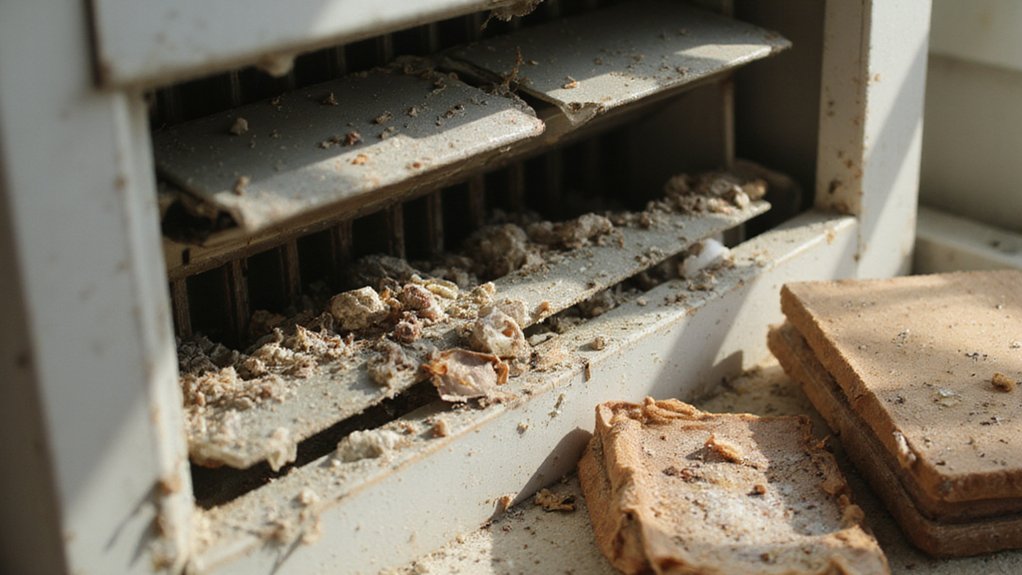
Quick answer: Weak airflow from your air conditioner usually starts small, then slowly turns into a noticeable comfort issue.
Weak airflow from your air conditioner usually starts small, then slowly turns into a noticeable comfort issue. One room feels warmer than the rest. The system runs longer than usual. The air coming out of the vents just doesn’t feel strong enough.
Several things can lead to this, and most of them build up over time. Dust collects, parts wear down, and small leaks go unnoticed. Once you understand what is happening inside your system, it becomes much easier to spot problems early and keep everything running smoothly.
Let’s walk through the common causes, what they look like in real life, and how to deal with them before they get worse.
Key Takeaways
- Dirty air filters can choke airflow and make your system work harder than it should
- Blocked or poorly sized ducts can stop air from reaching certain rooms
- Low refrigerant levels reduce cooling power and weaken airflow
- Vent placement and obstructions inside the home can disrupt circulation
- Routine maintenance keeps airflow steady and helps avoid bigger repairs
Common Signs of Weak Airflow From Your AC
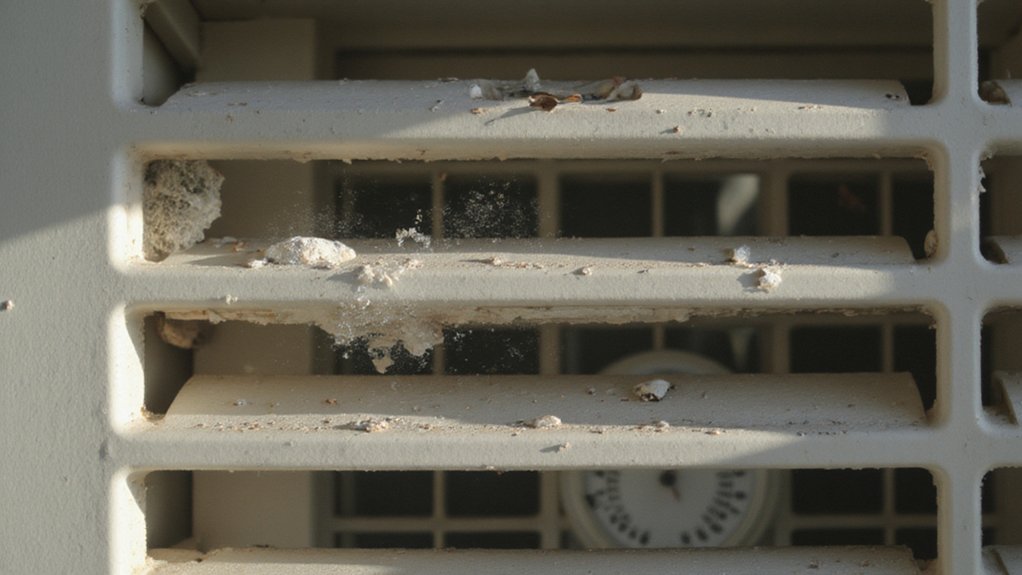
Weak airflow doesn’t always show up as a complete system failure. It usually appears through small changes that are easy to overlook at first.
You might notice that some rooms cool down quickly while others stay warm. This uneven cooling is often one of the earliest signs. It can feel like your AC is working, just not evenly across the house.
Another thing people notice is how long the system runs. If it takes much longer to reach the set temperature, airflow could be restricted somewhere along the line.
Sounds can also give clues. Whistling vents, rattling ducts, or unusual humming may point to blockages or pressure issues inside the system.
Humidity is another signal. When airflow drops, your AC may struggle to remove moisture from the air. The space can start to feel sticky even when the temperature looks fine on the thermostat.
Then there are energy bills. If they suddenly go up without any change in usage, your system could be overworking due to poor airflow.
Catching these signs early can save you from more expensive repairs later.
How Clogged Air Filters Affect Airflow Performance
Air filters are easy to forget about, but they play a big role in how your system breathes.
Over time, filters collect dust, pollen, pet hair, and other particles floating through your home. As this buildup thickens, it starts to block the passage of air.
When airflow is restricted at the filter level, your system has to push harder to move air through. That added strain can reduce cooling performance and increase power usage.
Different filter types behave differently. Basic fiberglass filters tend to clog faster, while pleated or HEPA filters trap more particles but may still restrict airflow if not replaced on time.
A simple habit makes a big difference here. Check your filter every month and replace it every one to three months, depending on usage and indoor conditions.
If you have pets or live in a dusty area, you may need to change it more often.
Clean filters allow air to move freely, which helps your system cool faster and run more smoothly.
Ductwork Issues That Limit Airflow
Your duct system acts like a network of pathways that deliver air throughout your home. If something goes wrong inside those pathways, airflow suffers.
Blockages and Build-Up Inside Ducts
Dust and debris can collect inside ducts over time. In some cases, insulation can collapse or shift, partially blocking the airflow.
Even small obstructions can reduce the amount of air reaching certain rooms. This leads to uneven cooling and noticeable temperature differences.
Furniture placement inside your home can also play a role. If vents are covered by sofas, beds, or cabinets, airflow gets restricted right where it enters the room.
Keeping vents clear and scheduling occasional duct cleaning can help maintain steady airflow.
Air Leaks and Poor Sealing
Ducts don’t always stay perfectly sealed. Small gaps or loose connections can allow air to escape before it reaches your living space.
This loss reduces pressure inside the system, which weakens airflow at the vents.
Sealing these leaks can make a noticeable difference. It helps direct air where it is supposed to go instead of losing it behind walls or ceilings.
Incorrect Duct Sizing
Duct size matters more than most people realize.
If ducts are too narrow, they restrict airflow and create pressure buildup. If they are too wide, air can slow down and fail to reach distant rooms effectively.
A well-sized duct system keeps airflow balanced across all areas of the home. If you suspect sizing issues, a professional inspection can help confirm it.
How Refrigerant Problems Affect Airflow
Refrigerant is what allows your air conditioner to remove heat from indoor air. When something goes wrong with it, airflow may still exist, but it won’t feel strong or effective.
Low refrigerant levels are a common issue. This usually happens due to leaks in the system. When levels drop, the AC loses its ability to cool air properly.
You might still feel air coming from the vents, but it won’t be as cold or as strong as expected.
Compressor trouble can also play a role. The compressor is responsible for moving refrigerant through the system. If it struggles or fails, the cooling process slows down, which affects overall airflow performance.
In some cases, refrigerant issues can cause ice to form on coils. This creates another layer of blockage, further reducing airflow.
These problems usually require professional attention, since refrigerant handling needs proper tools and safety measures.
How to Check for Airflow Problems in Your AC System
If airflow feels weak, there are a few simple checks you can do before calling for help, and if the issue continues, professional help for airflow problems may be needed.
Start With the Air Filter
Remove the filter and take a look at it under light. If it looks gray, dusty, or clogged, it is time for a replacement.
This is often the quickest fix and can restore airflow almost immediately.
Look at Your Vents and Registers
Walk through your home and check each vent. Make sure nothing is blocking them.
Open all registers fully to allow proper circulation. Even partially closed vents can affect pressure inside the system.
Inspect Visible Duct Areas
If you can access parts of your ductwork, check for loose connections, gaps, or visible damage.
Listen for air escaping while the system is running. That can point to leaks that need sealing.
Pay Attention to Airflow Differences
Stand near different vents and compare airflow strength. If one room gets strong airflow while another gets very little, the issue may be within the duct system.
These simple checks can help you narrow down the cause and decide if professional service is needed.
Maintenance Habits That Keep Airflow Strong
Airflow problems rarely appear overnight. They build slowly, which means regular care can prevent most of them.
Start with your filter. Keeping it clean is one of the easiest ways to support your system.
Next, keep vents and surrounding areas clear. Avoid placing furniture directly in front of airflow paths.
It also helps to schedule a yearly AC inspection or professional service to catch hidden issues early. A technician can check internal components, refrigerant levels, and duct condition.
Cleaning the evaporator and condenser coils is another step that improves airflow. When these parts collect dirt, they reduce the system’s ability to move air efficiently.
If your home has older ductwork, consider having it inspected for leaks or wear.
Small maintenance steps add up. They keep your system running smoothly and reduce the chances of sudden airflow problems.
Frequently Asked Questions
Can Weak Airflow Increase Energy Costs?
Yes, it can. When airflow is restricted, your system has to run longer to reach the desired temperature. This leads to higher electricity usage.
How Often Should Air Filters Be Changed?
Most homes do well with a replacement every one to three months. Homes with pets or higher dust levels may need more frequent changes.
What Does a Failing Compressor Sound Like?
You may hear grinding, clicking, or unusual humming. In some cases, the system may struggle to start or stop properly.
Does Weather Affect Airflow?
Hot and humid conditions can make your system work harder, which may highlight existing airflow issues. Proper maintenance helps your AC handle these conditions better.
Can Furniture Block Airflow?
Yes, it can. Large furniture placed in front of vents can reduce airflow into the room and affect overall circulation.
Conclusion
Weak airflow from your air conditioner usually points to something restricting movement inside the system. It could be a dirty filter, blocked ducts, refrigerant trouble, or even something as simple as furniture placement.
The good news is that many of these issues are preventable. Regular checks, simple cleaning, and timely maintenance can keep airflow steady and your home comfortable.
When airflow starts to drop, it is worth taking a closer look right away. Small fixes today can prevent bigger repairs later.

Owner, ASC Heating & Air
Ron Carter is the owner of ASC Heating & Air, a family-owned HVAC company serving San Antonio and the surrounding communities. With more than 20 years of hands-on HVAC experience, Ron has built his reputation on honest recommendations, quality workmanship, and dependable customer service.
He specializes in residential heating and air conditioning repair, installation, replacement, and preventative maintenance, helping homeowners make informed decisions that improve comfort, efficiency, and the lifespan of their HVAC systems. Through his articles, Ron shares practical insights gained from years in the field, answering common homeowner questions and providing trusted advice tailored to the unique heating and cooling challenges of South Texas.