

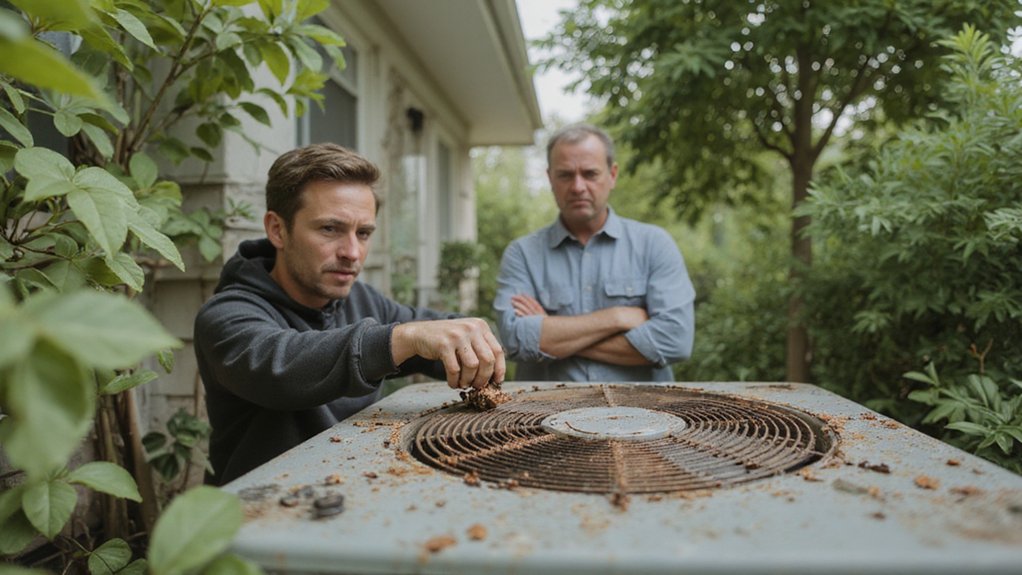
Quick answer: If you own an air conditioning system, you’ve likely run into a few issues over time.
If you own an air conditioning system, you’ve likely run into a few issues over time. Some are minor and easy to fix, while others can quietly build up and affect how well your system works.
Common air conditioner problems often show up as weak cooling, strange sounds, or poor airflow. These issues don’t just affect comfort. They can also increase your energy bills and shorten the life of your unit.
Knowing what to look for makes a big difference. When you catch problems early, you can often fix them before they turn into expensive repairs.
Key Takeaways
- Inadequate cooling can come from refrigerant leaks or thermostat issues
- Dirty air filters can reduce airflow and cooling performance
- Blocked vents or ducts can stop cool air from reaching parts of your home
- Electrical faults can cause the system to shut down or behave unpredictably
- Ice buildup on coils can signal airflow problems or low refrigerant levels
Signs Your Air Conditioner Needs Attention
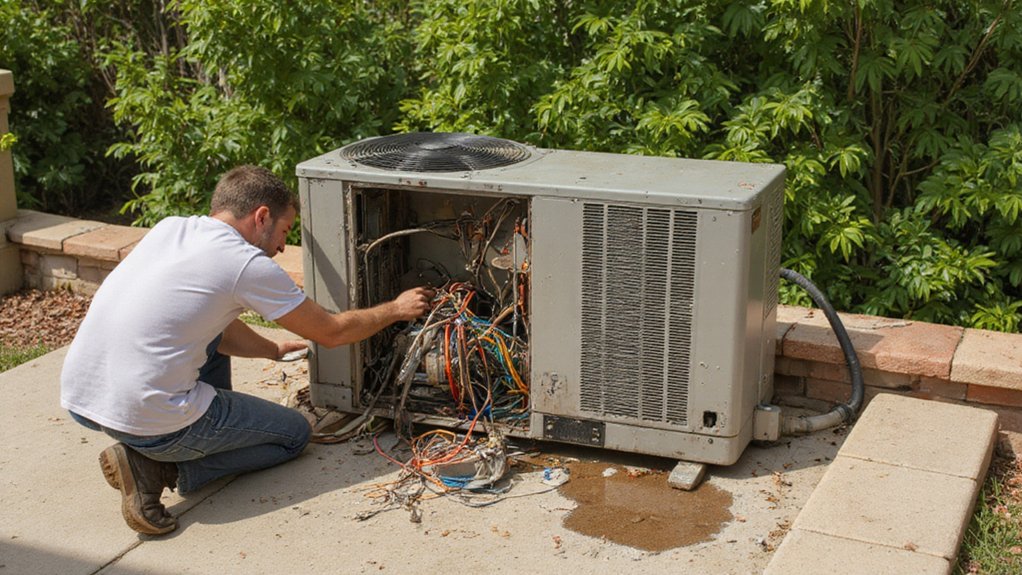
Air conditioners rarely fail without warning. Most of the time, they show small signs first.
Weak airflow is one of the easiest things to notice. If air isn’t coming out as strongly as it used to, a clogged filter or duct issue could be the cause.
Unusual sounds are another red flag. Banging, buzzing, or squealing often points to internal parts that need attention.
Odors coming from the unit can also signal trouble. A musty smell may mean mold is growing somewhere in the system.
A sudden jump in your electricity bill is worth paying attention to as well. When your AC struggles to do its job, it uses more power.
Temperature differences between rooms can also indicate a problem. If one area feels cool and another stays warm, airflow may be uneven.
Catching these signs early helps keep your system running smoothly and avoids bigger issues later.
A Closer Look at Common Air Conditioner Problems
When your AC isn’t working the way it should, there’s usually a clear reason behind it. Understanding the most frequent problems makes it easier to figure out what’s going wrong.
Inadequate Cooling Problems
Few things are more frustrating than an air conditioner that runs but doesn’t cool properly.
Dirty air filters are a common cause. When filters get clogged, air can’t pass through easily, which reduces cooling performance.
Blocked vents or ductwork can also limit how air moves through your home. This can leave some rooms warm while others feel fine.
Regular checks can help prevent this. Cleaning filters and making sure vents are open can go a long way.
If the issue doesn’t go away, it’s a good idea to consider professional air conditioner repair to inspect the system
What Happens When Refrigerant Leaks
Refrigerant plays a central role in cooling your home. When levels drop due to a leak, the system struggles to maintain the set temperature.
You might notice longer cooling cycles or higher energy use. In some cases, the unit may blow air that doesn’t feel cold at all.
Leaks can be tricky to spot without the right tools. Signs like oily residue around connections can hint at a problem.
Technicians often use methods like dye testing or electronic detectors to find leaks.
Fixing leaks early helps avoid strain on the system and keeps it running as expected.
Thermostat Issues That Affect Cooling
The thermostat controls when your air conditioner turns on and off. If it isn’t working correctly, the whole system can feel off.
Sometimes the temperature reading is inaccurate. This can cause the unit to run too often or not enough.
Digital thermostats can also run into small glitches. You might see the system turning on and off more than usual.
Checking the settings and recalibrating the thermostat can help fix these issues.
If problems continue, replacing the thermostat may be the best option.
Strange Noises Coming From Your AC
Air conditioners aren’t silent, but they shouldn’t make loud or unusual noises.
Different sounds can point to different problems.
Common Sounds and What They Mean
A banging or clanking noise often means something inside has come loose. This could be a part in the compressor or another internal component.
Squealing sounds may come from the fan or motor. This can happen when parts wear out over time.
A steady buzzing noise might be linked to electrical issues.
Rattling could mean debris has entered the unit or screws have loosened.
Paying attention to these sounds can help you decide when it’s time to call a technician.
What Causes These Noises
Loose parts are a frequent cause of rattling or banging.
Grinding noises usually point to worn-out motor parts.
A hissing sound may suggest a refrigerant leak, which affects how well the system cools.
High-pitched sounds can come from belt or compressor issues.
Ignoring these noises can lead to bigger damage. Getting them checked early with emergency AC repair services can save both time and money.
Why Airflow Problems Happen
Good airflow is essential for keeping your home comfortable. When airflow drops, your AC has to work harder.
Dirty filters are one of the main reasons airflow gets restricted. Dust and debris build up over time and block the passage of air.
Blocked vents can also limit how air moves through your home. Furniture or other objects placed in front of vents can make things worse.
Leaks in ductwork can let cool air escape before it reaches your rooms.
Problems with the blower fan can also reduce airflow.
Routine checks and simple maintenance can help keep air moving properly.
How to Spot Refrigerant Leaks
Finding a refrigerant leak takes a bit of patience.
Start by checking for visible signs like oily spots around coils or connections.
A simple method involves using soapy water. When applied to suspected areas, bubbles will form if there’s a leak.
Electronic leak detectors can help find smaller leaks that aren’t easy to see.
You may also notice your system isn’t cooling as well as before. Ice forming on the evaporator coil can be another clue.
Handling refrigerant requires proper tools and training, so it’s best to call a professional if you suspect a leak.
Fixing Common Thermostat Problems
Thermostat issues are often simple to fix.
Check the Batteries
Dead batteries can stop the thermostat from working completely.
Remove the cover, replace the batteries, and make sure they’re placed correctly.
This small step can restore communication between the thermostat and the AC.
Review Temperature Settings
Check that the thermostat is set to cooling mode.
Make sure the temperature setting matches your comfort level.
If the readings seem off, adjusting or recalibrating the thermostat can help.
These quick checks can often solve the problem without much effort.
How Dirty Air Filters Affect Cooling
Air filters play a bigger role than many people realize.
When they’re dirty, airflow becomes restricted. This makes it harder for your system to cool your home.
You may notice longer running times and weaker cooling.
Energy use can also increase since the system has to work harder.
Checking filters every few months helps keep things running smoothly.
In dusty areas, you may need to replace them more often.
Clean filters support better airflow and help your system last longer.
Ice Buildup on Your Air Conditioner
Ice forming on your AC is a sign that something isn’t right.
Low refrigerant levels can cause coils to freeze.
Blocked airflow, often from dirty filters, can also lead to ice buildup.
If you notice ice, turn off the system and let it thaw completely.
Check filters and vents to make sure air can flow freely.
If the issue continues, a technician can inspect refrigerant levels and other components.
Taking action early can prevent further damage.
Electrical Problems That Affect Performance
Electrical issues can stop your air conditioner from working altogether.
Loose or damaged wiring can cause the system to turn on and off unexpectedly.
Circuit breakers that trip often may point to overload or short circuits.
These problems should be handled with care. Electrical components can be dangerous to work with.
If you notice anything unusual, it’s best to have a professional take a look.
Simple Maintenance Tips That Make a Difference
Regular maintenance helps avoid many common problems.
Replace air filters every one to three months.
Keep the outdoor unit clear of dirt and debris.
Clean the condenser coils at least once a year.
Check that drain lines are clear to avoid water buildup.
It’s also helpful to have a technician inspect the system once a year.
Small steps like these can keep your air conditioner working well for years.
Frequently Asked Questions
How often should I service my air conditioner?
A yearly check is usually enough for most homes. If you use your AC heavily, you may benefit from more frequent servicing.
How long does an air conditioner last?
Most systems last between 15 and 20 years. Regular care can help extend that lifespan.
Can I install an air conditioner myself?
It’s possible for some units, but proper installation matters. Mistakes can affect performance and safety.
How can I tell if my AC uses too much energy?
Look at your electricity bills and compare them over time. A sudden increase may point to an issue.
What does a smart thermostat do?
It helps manage temperature more efficiently. You can control it remotely and set schedules to reduce energy use.
Conclusion
Air conditioner problems are common, but most of them start small.
Weak cooling, unusual noises, airflow issues, and electrical faults are all signs that something needs attention.
Staying aware of these issues and keeping up with simple maintenance can help you avoid larger repairs.
When problems don’t go away, reaching out to a technician can keep your system in good working condition and your home comfortable.

Owner, ASC Heating & Air
Ron Carter is the owner of ASC Heating & Air, a family-owned HVAC company serving San Antonio and the surrounding communities. With more than 20 years of hands-on HVAC experience, Ron has built his reputation on honest recommendations, quality workmanship, and dependable customer service.
He specializes in residential heating and air conditioning repair, installation, replacement, and preventative maintenance, helping homeowners make informed decisions that improve comfort, efficiency, and the lifespan of their HVAC systems. Through his articles, Ron shares practical insights gained from years in the field, answering common homeowner questions and providing trusted advice tailored to the unique heating and cooling challenges of South Texas.