

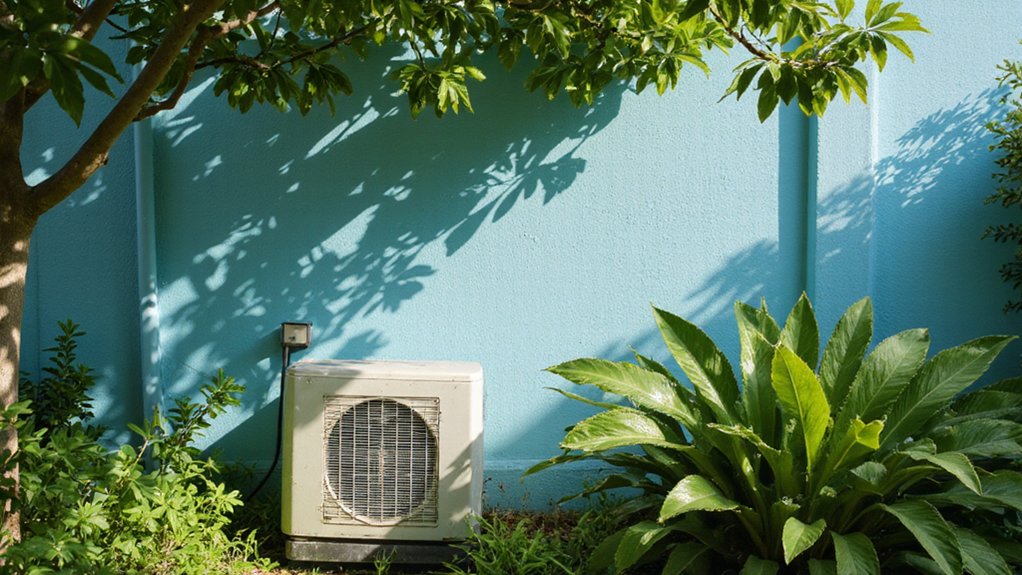
Quick answer: Improving your AC efficiency during summer plays a big role in keeping your home comfortable without driving up energy bills.
Improving your AC efficiency during summer plays a big role in keeping your home comfortable without driving up energy bills. When temperatures rise, your cooling system works harder, and small inefficiencies quickly turn into higher costs and uneven cooling.
The good news is that a few practical changes can make a noticeable difference. Simple habits like regular maintenance, better insulation, and smarter temperature control can help your system run more smoothly and use less energy.
Let’s walk through what actually helps, and how you can apply it at home.
Key Takeaways
- Replace or clean air filters regularly to maintain airflow and reduce strain on the system
- Seal gaps around doors and windows to keep cool air inside
- Use smart thermostats to adjust cooling based on your daily routine
- Keep the outdoor unit clean and schedule routine servicing
- Block sunlight with curtains or shades to reduce indoor heat
Why AC Efficiency Matters in Summer
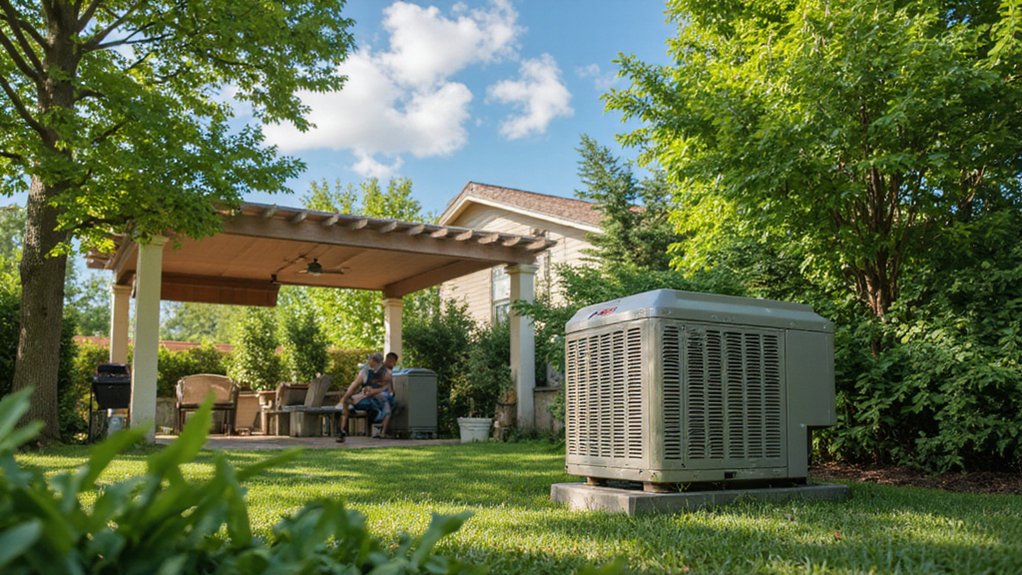
When summer heat sets in, your AC becomes one of the most used systems in your home. If it is not running properly, you will notice it in both comfort and electricity costs.
An efficient AC cools your space faster and maintains a steady temperature without constantly switching on and off. This reduces wear on the system and helps avoid sudden breakdowns during peak heat.
Energy use is another factor. A system that struggles to perform will draw more power to do the same job. Over time, this adds up on your monthly bill.
Even small changes can help. Keeping filters clean, allowing proper airflow, and adjusting your thermostat when you are not home can all improve how your system performs during the hottest months.
How Regular Maintenance Improves AC Performance
Routine care keeps your AC running the way it should. Skipping maintenance might not show immediate problems, but it often leads to reduced cooling and higher energy use over time.
Let’s look at the main areas that need attention.
Regular Filter Replacements
Air filters are easy to overlook, but they have a direct impact on performance. When filters become clogged with dust and debris, airflow drops. Your AC then has to work harder to push air through the system.
That extra effort increases energy use and can shorten the life of the unit.
Most homes benefit from checking filters every month during summer. In many cases, replacing them every one to three months is enough. Homes with pets or high dust levels may need more frequent changes.
Clean filters also improve indoor air quality, which makes your living space more comfortable overall.
Why Coil Cleaning Matters
Inside your AC system are coils that help transfer heat. When these coils collect dirt, they lose their ability to do this effectively.
As a result, your system runs longer to reach the same temperature.
Cleaning the coils helps restore proper heat transfer. You do not need to do this constantly, but checking them at least once a year is a good habit.
A soft brush or a coil cleaner can remove buildup. If the dirt is heavy or hard to reach, a technician can handle it safely.
Keeping coils clean supports steady cooling and prevents unnecessary strain on the system.
Checking Thermostat Accuracy
Your thermostat controls when and how your AC runs. If it is not reading the temperature correctly, your system may cool more than needed or not enough.
A quick way to check this is by comparing the thermostat reading with a room thermometer. If the difference is more than a degree or two, it may need adjustment.
Some thermostats allow manual calibration. If yours does not, or if the issue continues, a technician can help.
Checking this twice a year keeps your system running in line with your actual comfort needs.
Seal and Insulate Your Home for Better Cooling
Even the best AC system cannot perform well if cool air keeps escaping. Small gaps around your home can let warm air in and push cool air out.
Start by checking areas around doors, windows, and vents. If you feel air movement or notice visible gaps, sealing them can make a big difference.
Weather stripping works well for doors, while caulk can close cracks around window frames. These are simple fixes that help maintain indoor temperature.
Insulation also plays a big role. Areas like attics, walls, and crawl spaces should have enough insulation to slow down heat transfer. Without it, your AC will need to work longer to keep your home cool.
Taking care of these areas creates a more stable indoor environment and reduces the load on your cooling system.
Use Smart Thermostats for Better Control
Smart thermostats offer a simple way to manage cooling without constant manual changes. They allow you to set schedules based on your daily routine.
For example, you can raise the temperature when you leave for work and lower it before you return. This avoids cooling an empty house.
Many models also track energy use. This helps you see patterns and adjust settings if needed.
Over time, these small adjustments can lead to noticeable savings. They also make it easier to maintain a consistent indoor temperature without frequent changes.
Choosing the Right AC Size for Your Home
The size of your AC unit matters more than many people think. A unit that is too small will struggle to cool your space, while one that is too large will cool too quickly and shut off before removing humidity.
Both situations lead to discomfort and wasted energy.
The correct size depends on several factors, including room size, ceiling height, insulation, and local climate. A proper load calculation takes all of these into account.
If you are unsure, it is worth getting a professional assessment. Choosing the right size helps your system run steadily and keeps your home comfortable without unnecessary energy use.
Improve Airflow with Ceiling Fans
Ceiling fans are a simple addition that can support your AC. They do not lower the temperature, but they help move air around the room.
This creates a cooling effect on your skin and allows you to set your thermostat slightly higher without feeling uncomfortable.
During summer, ceiling fans should rotate counterclockwise. This pushes air downward and creates a breeze.
Using fans alongside your AC reduces the load on the system. It also helps maintain an even temperature across the room, which can prevent hot spots.
Reduce Heat Entering Your Home
Keeping heat out is just as important as cooling the air inside. Sunlight through windows is one of the main sources of indoor heat during summer.
Blocking that heat can make your AC’s job much easier.
Seal Windows and Doors
Start with a basic inspection. Look for cracks, gaps, or worn seals around windows and doors.
Applying caulk or foam tape can close these openings. Door weatherstripping helps create a tighter seal and prevents drafts.
Even small gaps can let in warm air over time. Sealing them improves temperature control and reduces energy loss.
Use Window Coverings Effectively
Window coverings can make a noticeable difference during hot days.
Reflective shades help bounce sunlight away, while blackout curtains block it completely. Light-colored fabrics tend to reflect more heat than darker ones.
Keeping curtains closed during the hottest part of the day reduces the amount of heat entering your home. This allows your AC to maintain a steady temperature with less effort.
When It Makes Sense to Upgrade Your AC System
Sometimes, improving efficiency is not enough if the system itself is outdated.
Choosing professional HVAC installation for a new system helps ensure proper sizing and long-term performance.
If your system is not cooling properly, scheduling a professional AC repair can help fix issues before they get worse.
Rising energy bills can also be a sign that the system is no longer performing well.
Newer models are designed to use less energy while providing steady cooling. Replacing an old unit can reduce long-term costs and improve comfort.
Planning the upgrade before peak summer helps you avoid delays and gives you more options.
Frequently Asked Questions
How often should I clean or replace my AC filter?
Most homes benefit from checking filters every month and replacing them every one to three months. This keeps airflow steady and supports better cooling.
Can plants around my AC unit help?
Yes, placing plants or shrubs nearby can provide shade. This reduces heat around the unit and can help it run more efficiently. Just make sure there is enough space for proper airflow.
What temperature should I set during summer?
A range between 24°C and 26°C works well for most homes. It balances comfort and energy use without overloading the system.
Is upgrading to a newer AC worth it?
If your current unit is old or needs frequent repairs, upgrading can lower energy use and improve cooling. Over time, this can offset the initial cost.
How does humidity affect AC performance?
High humidity makes your AC work harder because it has to remove moisture along with heat. This increases energy use and can make the space feel less comfortable.
Conclusion
Keeping your AC efficient during summer does not require major changes. Regular maintenance, proper sealing, and thoughtful use of your system can go a long way.
Simple steps like cleaning filters, using fans, and blocking sunlight help reduce the load on your AC. Over time, this leads to better cooling and lower energy bills.
If your system still struggles despite these efforts, it may be time to look at an upgrade. Staying proactive helps you avoid discomfort during peak heat and keeps your home consistently cool.

Owner, ASC Heating & Air
Ron Carter is the owner of ASC Heating & Air, a family-owned HVAC company serving San Antonio and the surrounding communities. With more than 20 years of hands-on HVAC experience, Ron has built his reputation on honest recommendations, quality workmanship, and dependable customer service.
He specializes in residential heating and air conditioning repair, installation, replacement, and preventative maintenance, helping homeowners make informed decisions that improve comfort, efficiency, and the lifespan of their HVAC systems. Through his articles, Ron shares practical insights gained from years in the field, answering common homeowner questions and providing trusted advice tailored to the unique heating and cooling challenges of South Texas.