

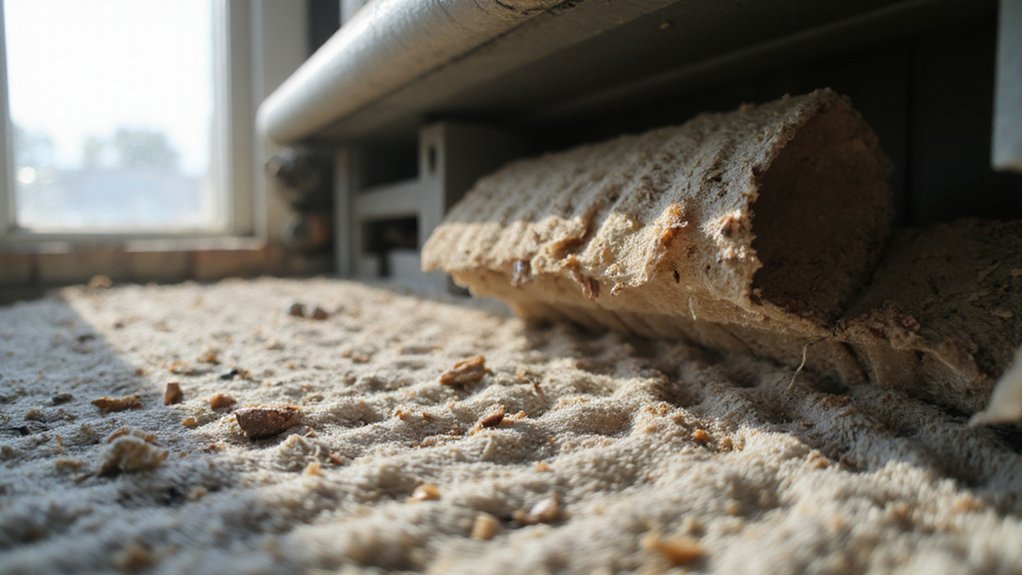
Quick answer: Dirty air filters can quietly drag down your AC’s performance over time.
Dirty air filters can quietly drag down your AC’s performance over time. When they fill up with dust and debris, airflow slows down. That makes it harder for your system to cool your space, and it often leads to higher electricity bills.
It also puts extra pressure on the unit itself. Parts wear out faster, and small issues can turn into expensive repairs if left unchecked. Knowing what to watch for and keeping up with basic filter care can make a noticeable difference in how your AC runs day to day.
Key Takeaways
- Dirty filters block airflow and reduce cooling performance
- Energy use goes up when your AC has to work harder
- Dust and allergens build up more easily indoors
- Extra strain can shorten your system’s lifespan
- Regular filter checks help keep things running smoothly
The Price of Ignoring Air Filters
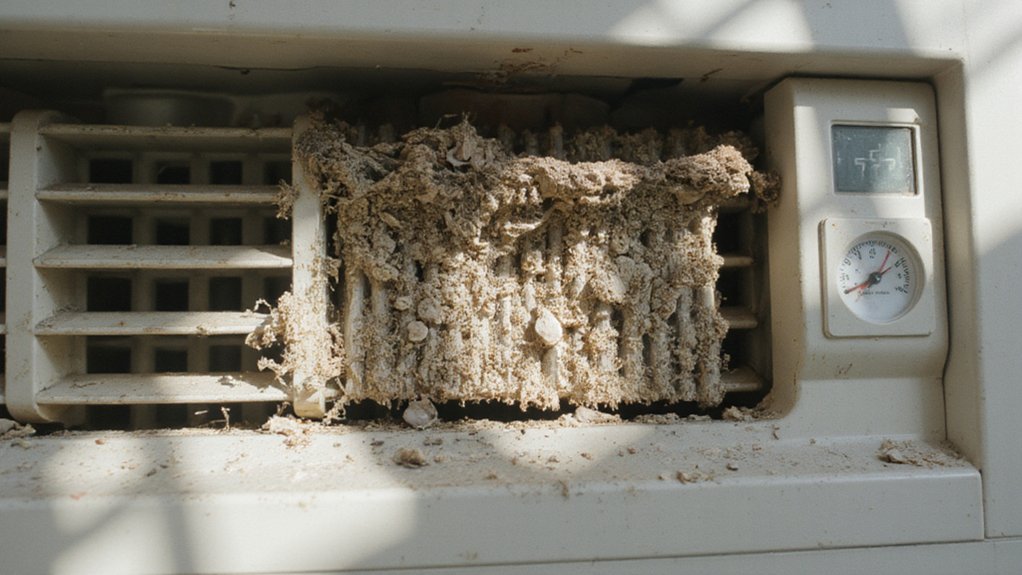
It’s easy to overlook air filters. They sit out of sight, and the system still runs, so nothing feels urgent. But over time, that neglect adds up.
When filters get clogged, your HVAC system has to pull air through a barrier of dust. That extra effort shows up in your electricity bill. You might not notice it right away, but month after month, the cost creeps up.
There’s also wear on the system itself. Motors, fans, and other components are forced to work harder than they should. That added strain can shorten the life of your unit or lead to repairs you didn’t plan for.
Skipping a simple filter change might feel like saving time or money, but it often ends up costing more in the long run.
How Dirty Air Filters Affect AC Efficiency
Air filters play a direct role in how well your AC cools your home. When they’re clean, air moves freely through the system. When they’re clogged, that flow slows down.
Your AC then has to run longer to reach the same temperature. That means more electricity use and less effective cooling.
Different filters handle particles in different ways. Some are designed to catch very fine dust and allergens, while others focus on basic debris. As any filter fills up, its ability to trap particles drops. At the same time, airflow becomes more restricted.
That combination leads to weaker cooling and more stress on the system. Keeping filters clean helps maintain steady airflow and keeps your AC working the way it should.
How to Tell When Your Air Filter Needs Changing
You don’t need special tools to figure out when a filter needs attention. A few simple signs can give it away.
If airflow from your vents feels weaker than usual, that’s often the first clue. Rooms may take longer to cool, or they may not cool evenly at all.
A sudden increase in your electricity bill can also point to a clogged filter. When the system works harder, it uses more power.
You might also notice more dust around your home. If surfaces seem to get dirty faster than usual, your filter may not be catching particles effectively.
Sometimes, there’s even a slight musty smell when the AC runs. That can come from buildup trapped in the filter.
As a general habit, checking your filter every month works well. In many homes, replacing it every one to three months keeps things running smoothly. If you have pets or live in a dusty area, you may need to check more often.
Why Airflow Matters More Than You Think
Airflow is at the center of how an AC system works. Without steady movement of air, even a well-functioning unit can struggle.
When air flows freely, your system can cool rooms quickly and evenly. When that flow is restricted, everything slows down.
A clogged filter acts like a blockage in the system. The AC keeps running, but it has to push harder to move the same amount of air. Over time, that can affect internal components and reduce overall performance.
Keeping filters clean helps maintain a steady balance. It allows your system to cool efficiently without overworking itself.
What Dirty Filters Do to Indoor Air Quality
Air filters don’t just protect your AC. They also affect the air you breathe inside your home.
As filters collect dust, pollen, and other particles, they reach a point where they can’t trap much more. When that happens, those particles start circulating back into your living space.
You might notice more sneezing, irritation, or general discomfort, especially if you’re sensitive to dust or allergens.
The type of filter you use also plays a role. Some are better at capturing smaller particles, which can help keep indoor air cleaner.
Regular filter changes help reduce the amount of unwanted particles in the air. It’s a simple step that supports a healthier indoor environment.
The Hidden Costs of Skipping Filter Maintenance
Ignoring air filters doesn’t just affect comfort. It can lead to a chain of small issues that build over time.
Higher electricity bills are usually the first sign. After that, the system may start to wear down faster. Parts may need repair sooner than expected, and in some cases, the entire unit may need replacing earlier than it should.
Dust buildup inside the system can also create internal problems. That can affect how different components function and lead to uneven cooling.
Staying on top of filter care helps avoid these issues. It keeps your system running more smoothly and reduces the chances of surprise expenses.
Simple Ways to Take Care of Your Air Filters
Keeping your filters in good shape doesn’t take much effort, but it does require consistency.
Set a Replacement Routine
A regular schedule makes things easier. For many homes, changing the filter every one to three months works well.
If you’re using higher-quality filters, they may last a bit longer. Homes with pets or more dust may need more frequent changes.
Setting a reminder on your phone or marking it on a calendar can help you stay on track.
Check and Clean When Needed
Some filters can be cleaned instead of replaced. If you’re using a reusable filter, a quick rinse or vacuum can remove buildup.
Even if you use disposable filters, checking them monthly helps you catch issues early. If the filter looks full or discolored, it’s time for a change.
This small habit can prevent larger problems later.
Choose the Right Filter for Your System
Not all filters are the same. Some are designed to capture finer particles, while others focus on basic airflow.
It’s important to use the correct size so air doesn’t slip around the edges. A proper fit keeps the system working as intended.
If you’re unsure, your AC manual usually lists the recommended filter type and size.
When It’s Time to Call a Professional
Sometimes, changing the filter isn’t enough to fix the problem.
If your AC struggles to cool your space, or if you hear unusual sounds, it may be time to bring in an expert.
Strange smells, uneven cooling, or a steady rise in electricity costs can also point to deeper issues.
Getting help early can prevent bigger repairs later. A trained technician can spot problems that aren’t obvious and get your system back on track.
Why Regular Filter Changes Make a Difference
Replacing your air filter regularly helps your AC run more smoothly and keeps your indoor air cleaner.
With better airflow, the system doesn’t have to work as hard. That can help lower energy use and reduce wear on internal parts.
It also helps keep dust and allergens under control, which improves comfort inside your home.
Over time, this simple habit can extend the life of your AC and help avoid unnecessary repair costs.
Frequently Asked Questions
Can Dirty Air Filters Cause Unusual Smells in the Home?
Yes, they can. When dust and debris build up, they can create musty or stale odors that spread through your home when the AC runs.
How Often Should I Check My Air Filter?
Checking once a month is a good routine. Replacement usually falls between one and three months, depending on your home and usage.
Do Different Types of Filters Affect AC Performance Differently?
They do. Some filters trap smaller particles, which helps air quality, but they can also restrict airflow more if not maintained properly.
Can I Clean My Air Filter Instead of Replacing It?
It depends on the type. Reusable filters can be cleaned, while disposable ones should be replaced.
What Is the Lifespan of a Typical Air Filter?
Most last around three months, though that can vary based on how often your AC runs and how much dust is in your environment.
Conclusion
Dirty air filters can have a bigger impact on your AC than most people expect. Reduced airflow, higher energy use, and extra strain on the system all start with something as simple as a clogged filter.
Keeping up with regular checks and replacements helps your AC run more efficiently and keeps your indoor air cleaner. It’s a small task, but it goes a long way in maintaining comfort and avoiding unnecessary costs.

Owner, ASC Heating & Air
Ron Carter is the owner of ASC Heating & Air, a family-owned HVAC company serving San Antonio and the surrounding communities. With more than 20 years of hands-on HVAC experience, Ron has built his reputation on honest recommendations, quality workmanship, and dependable customer service.
He specializes in residential heating and air conditioning repair, installation, replacement, and preventative maintenance, helping homeowners make informed decisions that improve comfort, efficiency, and the lifespan of their HVAC systems. Through his articles, Ron shares practical insights gained from years in the field, answering common homeowner questions and providing trusted advice tailored to the unique heating and cooling challenges of South Texas.